
So, how long does a bass fish live? Generally, bass fish can live anywhere from 5 to over 15 years, with some species, like largemouth bass, potentially living for 20 years or more in ideal conditions.
Bass are fascinating fish. Anglers love them for their fight and their presence in many freshwater bodies. But how long do these popular game fish actually live? The bass fish lifespan can vary quite a bit depending on the species, the environment they live in, and various other factors. Let’s dive deep into the world of bass and explore their life cycles.
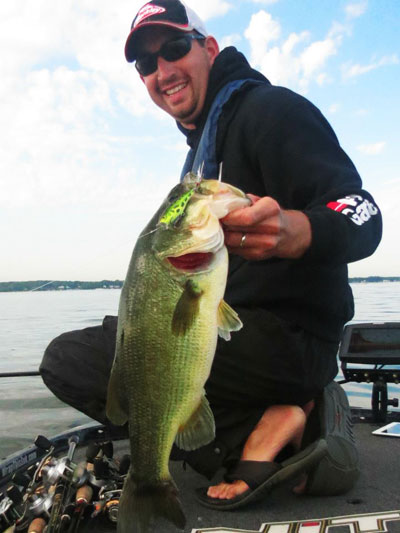
Image Source: www.mossyoak.com
Deciphering Bass Fish Age
Figuring out the bass fish age isn’t as simple as looking at a birthday cake. Fish don’t blow out candles! Scientists and anglers often use methods like examining growth rings on their otoliths (ear bones) or scales to estimate a fish’s age. These rings, similar to tree rings, form as the fish grows and can indicate periods of faster or slower growth, which often correspond to seasons.
Factors Influencing Bass Longevity
Several key elements play a crucial role in determining how long a bass fish will live. These include:
- Species: Different types of bass have naturally different lifespans.
- Environment: The quality of the water, availability of food, and presence of predators significantly impact survival.
- Genetics: Just like with other animals, some bass are genetically predisposed to live longer than others.
- Fishing Pressure: How aggressively bass are fished can also affect their overall population age structure.
The Average Bass Age
When we talk about the average bass age, it’s important to remember that this is a broad term. For many common bass species found in North America, the average age in the wild might hover between 7 and 10 years. However, this is a generalization, and specific populations in pristine environments with ample resources might see much older individuals.
Fathoming Freshwater Bass Longevity
Freshwater bass longevity is a topic of great interest to anglers and conservationists alike. These fish are integral to many aquatic ecosystems.
Largemouth Bass Lifespan
The largemouth bass lifespan is perhaps the most widely discussed. In ideal conditions, largemouth bass can live for a surprisingly long time.
Typical Lifespan in the Wild
In the wild, a healthy largemouth bass can live for about 10 to 15 years. However, some exceptional individuals have been recorded living much longer, with reports of largemouth bass reaching 20 years or even more. These older, larger fish are often referred to as “tankers” or “hawgs” by anglers.
Factors Affecting Largemouth Bass Age
Several factors contribute to the largemouth bass lifespan:
- Water Quality: Clean, well-oxygenated water is crucial. Pollution and habitat degradation can shorten their lives.
- Food Availability: A plentiful supply of forage fish (like shad, bluegill, and minnows) is essential for growth and survival.
- Temperature: Extreme water temperatures can stress bass and make them more susceptible to disease.
- Predation: While adult largemouth bass are apex predators in many systems, young bass are vulnerable to larger fish, birds, and mammals.
- Fishing Practices: Catch-and-release programs, when done correctly, can help preserve older, trophy-sized bass. Overfishing, on the other hand, can significantly reduce the average age of a population.
Bass Fish Growth Rate and Age
The bass fish growth rate is directly linked to their lifespan. Faster-growing bass often reach maturity sooner and have a better chance of surviving to older ages, provided they have access to ample food and a healthy environment. Young bass grow rapidly in their first few years, and this growth rate is heavily influenced by temperature and diet.
Smallmouth Bass Age
Smallmouth bass age is often a bit shorter than their largemouth cousins, though they can still live for a considerable amount of time.
How Long Do Smallmouth Bass Live?
In the wild, smallmouth bass age typically ranges from 7 to 10 years. However, similar to largemouth bass, some individuals in optimal habitats can live up to 14 or even 15 years. Their growth rate tends to be a bit slower than largemouth bass, especially in cooler waters.
Environmental Influences on Smallmouth Bass
Smallmouth bass prefer cooler, clearer, rocky-bottomed waters, often found in rivers and the upper reaches of lakes. These environments can provide excellent habitat and food sources, contributing to their longevity.
- Water Temperature: Smallmouth bass thrive in water temperatures between 65-75°F (18-24°C).
- Habitat Structure: Rocks, boulders, and submerged wood provide crucial hiding places for both smallmouth bass and their prey.
- Prey Base: Crayfish, small fish, and aquatic insects form the bulk of their diet.
Striped Bass Lifespan
While often discussed alongside largemouth and smallmouth bass, striped bass lifespan belongs to a different, though related, family (Moronidae). Striped bass are anadromous, meaning they live in saltwater but spawn in freshwater. Their lifespan is notably longer.
How Long Do Striped Bass Live?
The striped bass lifespan can be quite impressive. In the wild, striped bass commonly live for 10 to 20 years. However, some individuals have been recorded living for 30 years or more. This significant longevity is often attributed to their larger size, ability to access richer marine feeding grounds, and generally slower metabolism compared to smaller bass species.
Factors Influencing Striped Bass Longevity
- Oceanic Conditions: Access to abundant food sources in the ocean is critical for their growth and survival.
- Habitat Quality: The health of both their freshwater spawning grounds and their saltwater feeding areas is vital.
- Migration Patterns: Striped bass undertake extensive migrations, which expose them to various environmental conditions and fishing pressures.
- Disease and Parasites: Like all fish, they are susceptible to diseases and parasites that can shorten their lives.
Bass Fish Maturity Age and Reproduction
Understanding bass fish maturity age is key to comprehending their life cycles and population dynamics. Bass generally reach sexual maturity at different ages depending on the species and environmental conditions.
Maturity Ages for Common Bass Species
| Bass Species | Approximate Age at Maturity (Years) | Notes |
|---|---|---|
| Largemouth Bass | 2-4 years | Varies with growth rate; males often mature slightly earlier. |
| Smallmouth Bass | 2-4 years | Similar to largemouth, but may mature slightly later in cooler climates. |
| Spotted Bass | 2-3 years | Generally mature faster than largemouth or smallmouth. |
| Striped Bass | 2-4 years (freshwater) / 4-7 years (saltwater) | Maturity varies significantly based on population and environment. |
Once mature, bass will spawn annually, with the male typically building a nest and guarding the eggs and fry. This reproductive cycle is fundamental to sustaining bass populations.
Age and Size: A Closer Look at Bass Fish Growth Rate
The bass fish growth rate is a dynamic process influenced by diet, water temperature, and genetics. In their first year, young bass can grow several inches, and their size can vary dramatically from one lake or river to another.
Growth Curves and Variations
- Early Growth: Bass typically experience their fastest growth in their first 2-3 years of life when food is abundant and they are actively hunting.
- Slower Growth with Age: As bass get older and larger, their growth rate naturally slows down. It takes more energy to add weight to an already large fish.
- Environmental Impact: Bass in lakes with a robust forage base and optimal temperatures will grow much faster and reach larger sizes at younger ages compared to those in less productive waters.
Estimating Bass Fish Age from Size
While not always accurate, anglers often associate larger sizes with older fish. For example, a 10-pound largemouth bass is likely to be at least 7-10 years old, and potentially much older, depending on the quality of its habitat. Conversely, a 1-pound largemouth bass might only be 1-2 years old.
How Long Do Bass Live in the Wild?
The question of how long do bass live in the wild is a complex one, as natural survival rates are lower than in controlled environments.
Natural Threats to Bass
- Predation: Young bass are particularly vulnerable to predation from other fish, birds, and even invertebrates.
- Disease and Parasites: Outbreaks of disease or heavy parasite loads can decimate bass populations.
- Environmental Changes: Droughts, floods, habitat loss, and pollution can all negatively impact bass survival.
- Competition: Competition for food and territory with other fish species can also affect their growth and survival rates.
- Starvation: In years with poor forage availability, many bass, especially younger ones, may not survive.
Despite these challenges, bass are remarkably resilient fish, and in healthy, well-managed aquatic systems, they can achieve impressive ages.
The Role of Fishing in Bass Lifespan
Recreational fishing has a significant impact on bass populations and their average lifespan.
Catch and Release Practices
- Benefits: Proper catch-and-release techniques, such as using barbless hooks, handling fish minimally, and releasing them quickly in cool water, can significantly increase the survival rate of released bass. This allows older, larger fish to continue contributing to the gene pool and ecosystem.
- Impact on Longevity: When anglers practice responsible catch-and-release, they help preserve the older segment of the bass population, which is crucial for maintaining healthy fish communities.
Harvesting Regulations
- Slot Limits: Many fisheries employ slot limits, which protect fish within a certain size range (often the larger, older fish) while allowing anglers to harvest smaller or larger individuals. This helps ensure that mature bass have the opportunity to spawn.
- Creel Limits: Daily limits on the number of fish an angler can keep also help manage populations and prevent overharvesting.
Frequently Asked Questions (FAQ)
Can I estimate a bass’s age by its size?
While size can give you a general idea, it’s not a precise method. Bass fish growth rate varies greatly depending on food availability, water temperature, and genetics. A large bass isn’t always an old bass; it might just be one that has had excellent conditions for rapid growth.
Do bass live longer in lakes or rivers?
Both lakes and rivers can support healthy bass populations. The longevity depends more on the specific conditions within the water body – water quality, food availability, and predator/prey balance – rather than simply whether it’s a lake or a river. Some argue that rivers with consistent flow and cooler temperatures might favor species like smallmouth bass, potentially contributing to longer lifespans for them.
What is the oldest bass ever caught?
While difficult to verify conclusively, anecdotal reports and scientific studies suggest that largemouth bass have been recorded living into their early 20s. The oldest accurately aged fish are usually identified through scale or otolith analysis.
How does water temperature affect bass lifespan?
Water temperature is a critical factor. Bass are cold-blooded, meaning their metabolic rate is directly influenced by water temperature. Optimal temperatures promote efficient feeding and growth, contributing to longer lives. Extreme cold or heat can cause stress, reduce feeding, and make them more susceptible to disease, thus shortening their lifespan.
Is there a difference in lifespan between male and female bass?
Generally, female bass tend to grow larger and potentially live slightly longer than male bass. This is often attributed to the energy demands of reproduction and the fact that males may engage in more aggressive territorial defense during spawning season, which can lead to higher stress and mortality.
How can I help bass live longer?
You can help bass live longer by practicing responsible fishing techniques (catch and release), supporting conservation efforts for aquatic habitats, and advocating for clean water policies. Proper handling of bass during catch and release is one of the most direct ways an angler can positively impact a fish’s survival.
What is the bass fish life expectancy in artificial ponds?
In well-managed artificial ponds or private lakes with controlled environments, good water quality, and a balanced forage base, bass can often live longer than their average wild counterparts. They are protected from many natural predators and environmental fluctuations, potentially pushing their lifespan towards the higher end of the recorded ranges for their species.
In conclusion, the lifespan of a bass fish is a fascinating interplay of genetics, environment, and human interaction. From the robust largemouth bass lifespan to the impressive striped bass lifespan, these apex predators play a vital role in the health of our aquatic ecosystems. By appreciating the factors that influence their age and employing conservation-minded practices, we can help ensure that these magnificent fish continue to thrive for generations to come.