
A betta fish’s adult size typically ranges from 2.5 to 3 inches, though some varieties can be larger or smaller. Do bettas grow? Yes, betta fish continue to grow throughout their lives, but their growth rate slows significantly after they reach sexual maturity.
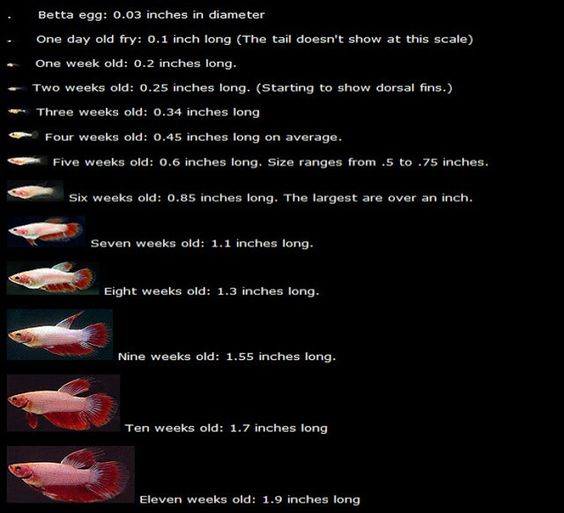
Image Source: bettafish.org
Deciphering Betta Fish Size
The world of betta fish is fascinating, and one of the most common questions aquarists have is about their size. How big will my betta fish get? This question is crucial for proper tank setup, ensuring adequate swimming space, and providing the best environment for these vibrant creatures. While they are often depicted as small, delicate fish, their actual size can vary.
Factors Influencing Betta Fish Size
Several factors play a role in determining how large your betta fish will grow. These include genetics, diet, water quality, tank size, and overall health.
Genetics and Lineage
The most significant factor in a betta fish’s ultimate size is its genetic makeup. Just like dogs or cats, bettas come in different breeds and lineages, some bred for specific traits.
- Wild Betta Species: The wild ancestors of our beloved aquarium bettas, such as Betta splendens found in Southeast Asia, are generally smaller and more streamlined. Their average size is often around 2 inches.
- Domesticated Bettas: Over generations of selective breeding, certain traits have been emphasized in domestic bettas. This has led to a wider range of sizes and colors.
Diet and Nutrition
A well-balanced and nutritious diet is paramount for healthy growth. Betta fish are carnivorous and require protein-rich foods.
- High-Quality Betta Pellets: These should form the staple of their diet. Look for brands with a high protein content (around 40-50%).
- Frozen or Live Foods: Bloodworms, brine shrimp, and daphnia are excellent supplements that provide essential nutrients and encourage appetite. Feeding these occasionally can boost growth and overall health.
- Overfeeding vs. Underfeeding: Both extremes can be detrimental. Overfeeding leads to obesity and health problems, while underfeeding stunts growth. A good rule of thumb is to feed what they can consume in about 2-3 minutes, once or twice a day.
Water Quality and Environment
The environment in which a betta fish lives plays a critical role in its well-being and growth.
- Tank Size: While bettas are often sold in tiny cups, they require much more space to thrive. A minimum of 5 gallons is recommended for a single betta. Larger tanks provide more swimming room, better water stability, and reduce stress, all of which contribute to healthier growth.
- Water Parameters: Consistent and appropriate water parameters are essential. This includes:
- Temperature: Bettas are tropical fish and prefer temperatures between 76-82°F (24-28°C). A reliable aquarium heater is a must.
- pH: A slightly acidic to neutral pH (6.5-7.5) is ideal.
- Ammonia, Nitrite, and Nitrate: These should be kept at zero, zero, and below 20 ppm, respectively. Regular water changes and a cycled tank are crucial for maintaining these levels.
- Filtration: A gentle filter is recommended to keep the water clean without creating strong currents that can stress a betta, especially those with long fins.
Health and Stress
A healthy betta fish will grow more readily than one suffering from illness or chronic stress.
- Stressors: Overcrowding, poor water quality, aggressive tank mates, and improper temperatures can all cause stress, hindering growth.
- Diseases: Common betta fish diseases like Ich, fin rot, and swim bladder disease can significantly impact their health and prevent them from reaching their full size potential. Prompt treatment is vital.
Average Betta Length and Growth Rate
The average betta length for a healthy adult Betta splendens is between 2.5 and 3 inches. This measurement typically includes their body and tail fin.
Betta Fish Growth Rate
The betta fish growth rate is most rapid during their juvenile stages. From fry to around 4-6 months old, they can experience significant growth spurts. After this period, their growth rate slows down considerably, and they reach their adult size.
- Juvenile Stage (0-4 months): Rapid growth, development of fins and colors.
- Adolescent Stage (4-8 months): Growth continues but at a slower pace; sexual maturity is often reached.
- Adult Stage (8+ months): Growth is minimal, primarily focused on maintaining health and color.
It’s important to note that do bettas grow indefinitely? No, like most living creatures, they reach a mature size and then maintain it, with minor increases possible as they age, provided they remain healthy.
Exploring Different Betta Types and Their Sizes
While Betta splendens is the most common species kept in aquariums, there are other fascinating betta species, and even within Betta splendens, there are specific varieties known for their size.
King Betta Size
The term “King Betta” or “Super Delta” is often used to describe betta fish with exceptionally large caudal (tail) fins. While the term “King” might imply a larger body size, it primarily refers to the exaggerated finnage. King betta size in terms of body length is still generally within the average range of 2.5 to 3 inches. Their impressive tails can make them appear larger overall, but their actual body mass is similar to other Betta splendens.
Giant Betta Growth
One of the most significant variations in size comes from the giant betta growth varieties. These are selectively bred Betta splendens that can reach impressive lengths.
- Maximum Betta Fish Size: While the standard betta averages 2.5-3 inches, giant bettas can reach a maximum betta fish size of 4 to even 5 inches!
- Development: Giant bettas grow at a similar pace to regular bettas initially, but they continue to grow larger and more robust for a longer period. This larger size requires more food and a larger tank to accommodate their increased bioload and swimming needs.
Dwarf Betta Size
Conversely, some betta fish are naturally smaller. The dwarf betta size is less commonly discussed but is an important distinction. These are typically specific species within the Betta genus, not just smaller individuals of Betta splendens.
- Species Examples: Species like Betta imbellis (Peaceful Betta) or Betta smaragdina (Emerald Betta) are generally smaller, often reaching only 2 to 2.5 inches in length. Their more delicate build and smaller stature are natural characteristics.
Betta Fish Lifespan and Size: The Interplay
The betta fish lifespan and size are often intertwined. A healthy betta fish can live anywhere from 2 to 5 years, with some individuals even reaching older ages under optimal conditions.
- Growth and Longevity: Betta fish that are well-cared for, fed appropriately, and kept in good water conditions are more likely to reach their full size potential and enjoy a longer lifespan. Conversely, poor care can lead to stunted growth and a shortened life.
- Aging Bettas: As bettas age, their growth will naturally cease. Their energy will be directed towards maintaining their body and coloration rather than increasing in size. Older bettas may even become slightly less active.
Fathoming Betta Fish Dimensions
To truly grasp how big betta fish get, it’s helpful to consider their betta fish dimensions.
Body Length
This is the primary measurement and, as discussed, typically falls between 2.5 and 3 inches for standard Betta splendens. Giant bettas can extend this range to 4-5 inches.
Fin Span
The fins of a betta are often what give them their impressive appearance. The caudal fin (tail fin) can be the most dramatic, with different fin types (Veiltail, Halfmoon, Crowntail, Plakat) influencing its overall size and shape.
- Veiltail: Features a long, flowing, and uneven tail.
- Halfmoon: Characterized by a tail that forms a perfect D-shape when spread, encompassing a 180-degree angle.
- Crowntail: Possesses spiky, crown-like rays extending from the main finnage.
- Plakat: Short-finned bettas, often closer to their wild ancestors in appearance.
While the fins contribute to the overall visual impression, they don’t represent the fish’s “body size” in the same way as length.
Width and Depth
Bettas have a moderately robust body shape, especially the giant varieties. Their width and depth are less commonly measured but contribute to their overall mass. A larger, well-fed betta will appear more substantial than a smaller, leaner one.
What Affects a Betta’s Final Size?
Let’s summarize the key influences on a betta’s final size.
Key Influences on Betta Size:
- Genetics: Predetermined growth potential based on lineage.
- Diet: High-protein, nutrient-rich food supports growth.
- Tank Size: Adequate space prevents stunting and stress.
- Water Quality: Clean, stable water parameters are vital.
- Temperature: Tropical conditions are necessary for optimal metabolism.
- Health: Freedom from disease and low stress levels allow for growth.
Common Misconceptions About Betta Size
It’s important to dispel some common myths about betta fish size.
Misconceptions:
- “Bettas stay small because they are sold in cups.” This is a leading cause of stunted growth. The small cups are only temporary housing; bettas require much larger environments to reach their full potential.
- “Betta fish don’t grow much after the first few months.” While the growth rate slows, healthy bettas continue to grow and fill out for well over a year.
- “All bettas are the same size.” As we’ve seen, genetics (especially with giant bettas) and other environmental factors create significant size variations.
Optimizing Your Betta’s Growth and Health
To ensure your betta fish reaches its potential size and lives a long, healthy life, focus on these aspects:
Essential Care Practices:
- Tank Setup:
- Minimum 5-gallon tank per betta.
- Heater to maintain 76-82°F.
- Gentle filter.
- Plenty of hiding places and resting spots.
- Heated, filtered, and cycled tank is crucial.
- Feeding:
- High-quality betta pellets as a staple.
- Variety of live or frozen foods (bloodworms, brine shrimp) 1-2 times a week.
- Feed what they can eat in 2-3 minutes, once or twice daily.
- Water Changes:
- Perform 25-30% water changes weekly in a cycled tank.
- Use dechlorinated water at the correct temperature.
- Observation:
- Regularly monitor your betta for signs of stress or illness.
- Keep an eye on its appetite and activity levels.
Tracking Growth
You can track your betta’s growth by measuring it periodically (carefully, without causing stress) or by simply observing changes in its size and body fullness over time. Remember, growth is a gradual process.
Frequently Asked Questions (FAQ)
Q1: How big can a regular Betta fish get?
A regular Betta splendens, also known as the Siamese Fighting Fish, typically reaches an adult size of 2.5 to 3 inches in length.
Q2: Do giant bettas get much bigger than regular bettas?
Yes, giant bettas are selectively bred to be larger and can grow to be 4 to 5 inches long, significantly larger than the average betta.
Q3: What is the fastest way to grow a betta fish?
The fastest way to promote healthy growth in a betta is through a consistent diet of high-quality, protein-rich food, maintained in a clean, heated, and sufficiently sized aquarium.
Q4: Will a betta fish grow bigger in a larger tank?
Yes, a larger tank generally allows a betta fish to grow larger and healthier. It provides more swimming space, reduces stress, and contributes to better water stability, all of which are conducive to growth.
Q5: My betta is small for its age, is something wrong?
A small size for its age can be due to genetics, inadequate diet, poor water quality, or chronic stress. Ensuring optimal conditions is key to helping your betta reach its potential size.
Q6: What is the lifespan of a betta fish?
A betta fish’s lifespan typically ranges from 2 to 5 years when kept in good conditions.
Q7: Do betta fish stop growing at a certain age?
Betta fish growth slows significantly after they reach sexual maturity (around 4-6 months), but they can continue to grow slightly and fill out for a longer period, especially if provided with excellent care.
By providing the right environment and nutrition, you can help your betta fish thrive and reach its full, magnificent size.