
Can you transport fish in your car safely? Absolutely! Transporting fish in your car safely requires careful planning and the right equipment to ensure their well-being. Whether you’re moving your aquarium, picking up a new aquatic friend, or relocating for a longer period, these guidelines will help you master the art of car fish shipping. This comprehensive guide covers everything you need to know about moving fish by car, from preparing your aquatic passengers to ensuring a smooth journey.
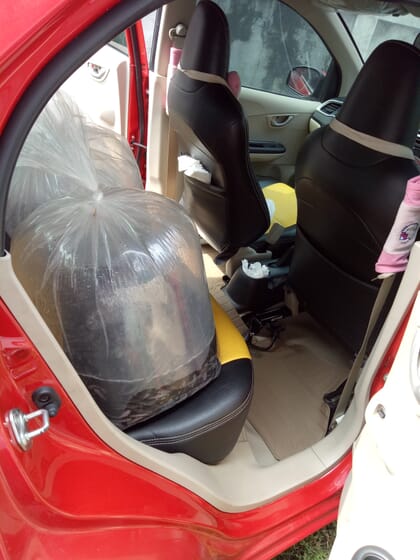
Image Source: images.thefishsite.com
Preparing Your Aquatic Passengers for the Trip
Before you even think about packing, a little preparation goes a long way. This section focuses on getting your fish ready for their car travel adventure.
Acclimation and Stress Reduction
Fish, like all living creatures, can experience stress. Minimizing this stress is crucial for their health during transport.
- Fasting: For about 24-48 hours before the move, stop feeding your fish. This reduces waste production in the transport container, which helps maintain water quality. Less waste means fewer harmful ammonia spikes.
- Water Changes: A few days before the move, perform a partial water change in their current tank. This ensures they are in clean water leading up to the journey. Don’t do a large water change right before, as this can shock them.
- Familiar Surroundings: For short trips, keeping fish in familiar water can be beneficial. However, for longer journeys, you might need to use new, dechlorinated water.
Selecting the Right Fish Transport Container
The choice of container is paramount. You need something secure, insulated, and capable of holding water without leaks. This is where a good fish transport container or a specialized portable fish tank comes in.
Types of Containers for Transporting Aquarium Fish
- Fish Bags: These are the most common method for short-distance transport, especially when buying fish from a pet store. They are typically clear, thick plastic bags designed to hold water and fish. Often, multiple bags are used, with fish placed in individual bags to prevent them from fighting or stressing each other. A common practice is to double or triple bag them for extra security.
- Buckets with Lids: For larger fish or longer journeys, sturdy plastic buckets with secure, leak-proof lids are a good option. Ensure the lid has adequate ventilation holes or is left slightly ajar if the fish are small and the journey is short. Buckets offer more space and can be easier to manage.
- Plastic Tubs or Crates: Similar to buckets, these provide more space and stability. Look for food-grade plastic and ensure they have a tight-fitting lid. These are excellent for transporting multiple fish or larger specimens.
- Specialized Transport Tanks: For very long trips or transporting a significant number of fish, specialized live fish car transport containers or temporary aquariums might be necessary. These often come with built-in aeration and temperature control features, though they can be more expensive.
Key Features to Look For:
- Leak-Proof: This is non-negotiable. A spill in your car can be disastrous.
- Secure Lid: Prevents fish from jumping out and keeps debris from entering.
- Opaque or Semi-Opaque: Light can stress fish. Opaque containers help reduce visual stimuli. If using clear containers, you can cover them with a dark cloth.
- Sufficient Space: Fish need room to move. Overcrowding is a major stressor and can lead to poor water quality.
- Ventilation (if needed): For short trips without aeration, a slightly open lid or small holes can provide necessary air exchange.
Packing Your Fish for the Drive
Proper packing ensures the fish are safe, the water quality is maintained, and the journey is as stress-free as possible.
Filling the Container with Water
- Water Source: Use water from the fish’s current tank. This helps maintain their familiar water chemistry.
- Water Volume: Fill the container about one-third to one-half full. This provides enough water for the fish to swim and breathe but also leaves enough air space for oxygen exchange. Too much water can lead to sloshing, which stresses fish.
- Temperature: Try to match the water temperature to their current tank. Sudden temperature changes are extremely stressful. You can pre-warm or pre-cool the water if needed.
Introducing the Fish
- Gentle Transfer: Use a soft net or a clean container to gently guide the fish into their transport container. Avoid netting fish too roughly, as this can damage their slime coat.
- Quantity: Never overcrowd the container. A general rule of thumb is one inch of fish per gallon of water, but for transport, it’s often safer to go with less. Consider the species; some fish are more tolerant of crowded conditions than others.
- Adding Decorations (Optional for Short Trips): For very short trips, a small piece of smooth driftwood or a plant can provide a sense of security. However, for longer journeys, it’s best to keep the container simple to avoid obstruction or injury.
Aeration: Essential for Longer Journeys
For trips exceeding an hour or two, or for species that require more oxygen, aeration is vital.
- Battery-Powered Aerators: These are readily available and come in various sizes. They are designed for portable use and are a lifesaver for car travel with fish.
- Aquarium Pumps: If you have a car charger for your aquarium pump, you can use that. Ensure the air stone is submerged.
- Oxygenation: For very long fish transport, some people opt to fill the bag or container with pure oxygen at the pet store or fish supplier. This significantly increases the dissolved oxygen levels.
Securing the Container in the Car
This is a critical step for preventing spills and keeping the fish stable.
- Minimize Sloshing: Place the container on a flat, stable surface. The trunk or the floor of the backseat are usually good options.
- Prevent Tipping: Use towels, blankets, or boxes to wedge the container in place and stop it from sliding or tipping over during turns or sudden stops.
- Temperature Stability:
- Fish Cooler for Transport: A well-insulated cooler or styrofoam box is excellent for maintaining water temperature. You can place sealed bags of fish inside, or if using a bucket, place the bucket inside the cooler.
- Avoid Direct Sunlight: Never place fish containers in direct sunlight. The temperature can rise rapidly and be fatal.
- Climate Control: Use your car’s climate control to keep the cabin temperature stable. Avoid extreme heat or cold.
The Journey: Keeping Fish Safe During Transit
Once you’re on the road, continuous attention to the fish’s environment is key.
Maintaining Water Quality
- Water Changes (if necessary): For very long trips, you might need to perform partial water changes. This is complex and requires having extra, pre-conditioned water ready. This is rarely needed for typical moving fish by car scenarios.
- Monitoring: While driving, periodically check the containers for leaks or any signs of distress in the fish.
Temperature Management on the Go
- Cooler Use: If using a cooler, the temperature should remain relatively stable.
- In-Car Adjustments: If the car gets too hot, use the AC. If it gets too cold, use the heater sparingly, aiming to keep the air temperature around the containers moderate.
- Avoid Constant Adjustments: Try to set a stable temperature and leave it. Frequent changes can also be stressful.
Minimizing Stress During the Drive
- Quiet Environment: Keep music volume low and avoid loud noises.
- Smooth Driving: Drive smoothly. Avoid jerky movements, rapid acceleration, and sudden braking.
- Limited Stops: Plan your route to minimize the number of stops. Each stop involves opening the car doors and potentially disturbing the fish.
Arriving at Your Destination: Re-acclimation
The journey isn’t over until the fish are safely settled into their new environment.
Gradual Acclimation to the New Tank
This is as important as the preparation for the trip.
- Float the Bags/Containers: Place the sealed bags or containers into the new tank. Let them float for at least 20-30 minutes (or longer for sensitive species) to allow the water temperatures to equalize.
- Add Tank Water to Containers: Over the next hour or two, gradually add small amounts of water from the new tank into the transport containers. This helps the fish adjust to the new water parameters (pH, hardness, etc.).
- Release the Fish: Gently release the fish into their new home. Avoid pouring the transport water into the new tank, as it may contain waste products.
Post-Transport Care
- Observation: Keep a close eye on your fish for the first few days. Look for any signs of stress, disease, or unusual behavior.
- Feeding: Wait a few hours after releasing them before offering their first meal. Start with a small amount of food.
- Water Testing: Test your new tank’s water parameters regularly in the days following the move to ensure everything is stable.
Transporting Specific Types of Fish
Different fish have different needs. Here’s a look at how to handle some common scenarios.
Transporting Small Tropical Fish (e.g., Tetras, Guppies)
These fish are generally easier to transport due to their size.
- Container: Double or triple-bagging is highly recommended.
- Water: Use their current tank water.
- Aeration: Not typically required for short trips (under 2 hours) if the bags are not overstocked.
- Temperature: Keep them in a cooler or insulated box.
Transporting Larger Fish (e.g., Goldfish, Cichlids)
Larger fish require more space and can produce more waste.
- Container: Sturdy buckets with secure lids or specialized transport tubs are best.
- Water: Use current tank water. You might need to use less fish per gallon than you would for smaller species.
- Aeration: Battery-powered aerators are strongly recommended, even for moderate trips.
- Temperature: Insulated coolers are a must.
Transporting Fish for Breeding or Shows
When the goal is to present fish in peak condition, extra care is needed.
- Container: Clean, high-quality containers are essential. For shows, clear containers might be used, but they need to be kept stable and out of direct light.
- Water Quality: Pristine water conditions are vital.
- Stress Minimization: Every effort should be made to reduce stress, as it can affect their appearance and behavior.
Common Mistakes to Avoid
Learning from others’ mistakes can save you a lot of trouble.
Overcrowding
Putting too many fish in one container is a fast track to disaster. It stresses fish, depletes oxygen rapidly, and leads to toxic ammonia buildup.
Temperature Shock
Sudden changes in water temperature are detrimental. Always aim to match the existing temperature as closely as possible.
Insufficient Aeration
Underestimating the oxygen needs of fish during transport is a common oversight. Lack of oxygen can lead to suffocation.
Inadequate Container Security
A leaky or unsecured container can lead to spills, lost fish, and a wet, messy car.
Poor Acclimation Upon Arrival
Rushing the process of introducing fish to their new environment can cause significant stress and health problems.
Equipment Checklist for Fish Transport
Having the right gear ensures a smoother process.
| Equipment | Purpose | Notes |
|---|---|---|
| Fish Bags | Short-term transport, especially for new purchases. | Double or triple bag for security. |
| Sturdy Buckets with Lids | Longer trips, larger fish, multiple fish. | Ensure lids are secure and have ventilation if needed. |
| Plastic Tubs/Crates | Similar to buckets, often more capacity. | Food-grade plastic is preferred. |
| Battery-Powered Aerator | Provides essential oxygen for longer journeys. | Bring extra batteries. |
| Air Stones & Tubing | For use with aerators/pumps. | |
| Cooler/Styrofoam Box | Maintains stable water temperature. | Can house bags or buckets. |
| Soft Net | Gentle transfer of fish. | Avoid rough netting. |
| Towels/Blankets | To stabilize containers, absorb minor spills. | |
| Dechlorinated Water (pre-mixed) | For topping up or emergency water changes if needed. | Have this ready if you anticipate a very long trip or potential issues. |
| Stress Coat/Water Conditioners | Can help fish cope with stress (use according to product instructions). | |
| Syringe/Pipette | For slowly adding water during acclimation. |
Frequently Asked Questions (FAQ)
Here are some common questions people have about transporting fish.
How long can fish survive in a transport bag?
For most small tropical fish, they can survive in a well-sealed bag with adequate air space for 2-3 hours. For longer periods, especially over 4 hours, you will need a battery-powered aerator and a larger container, or consider using pure oxygen.
What’s the best way to transport a betta fish in a car?
Betta fish are labyrinth fish, meaning they can breathe air. For very short trips (under an hour), a small container with just enough water to cover them and a secure lid might suffice. However, for longer trips, it’s still best to use a small bag or container with more water, minimal stress, and stable temperatures, just like any other fish. Avoid keeping them in too little water for extended periods as they still rely on dissolved oxygen.
Can I transport fish in a plastic water bottle?
While technically possible for very short distances with small fish, it is strongly discouraged. Water bottles offer insufficient water volume, poor oxygen exchange, and no room for the fish to move, making it extremely stressful and potentially harmful. Always use dedicated fish transport containers.
How do I keep the water from getting dirty during transport?
Fasting the fish for 24-48 hours before transport significantly reduces waste. Using a good quality, securely sealed container with adequate air space also helps maintain water quality by allowing for gas exchange. For very long journeys, partial water changes with pre-conditioned water might be considered, but this is complex to do while on the road.
Is it okay to use tap water directly for fish transport?
No, never use untreated tap water. Tap water contains chlorine and chloramines, which are toxic to fish. Always use dechlorinated water that has been treated with a reputable water conditioner. If possible, use water from their existing tank to minimize shock.
By following these detailed steps, you can ensure a safe and stress-free journey for your aquatic companions. Whether you’re moving house or bringing home a new addition, proper fish transport is key to their survival and well-being. Happy travels!