
What is ono fish? Ono fish, also known as Wahoo, is a firm, white-fleshed saltwater fish prized for its mild, sweet flavor and excellent texture. Can you eat ono raw? Yes, ono is fantastic in sushi and sashimi due to its clean taste and firm flesh. Who is ono fish best for? Ono is a versatile fish that appeals to most palates, making it a great choice for families and seafood lovers alike. This guide will explore delicious ways to prepare ono fish, covering everything from selecting the best cuts to mastering various ono cooking methods.
Ono, or Wahoo, is a fantastic fish to cook with. Its firm texture and slightly sweet, mild flavor make it a favorite among chefs and home cooks. Whether you’re grilling, searing, or even enjoying it raw, ono can be prepared in many delicious ways. This article will dive deep into how to prepare ono fish, offering tips and techniques for the best results. We’ll cover everything from simple seasoning to more involved ono fish marinade recipes.
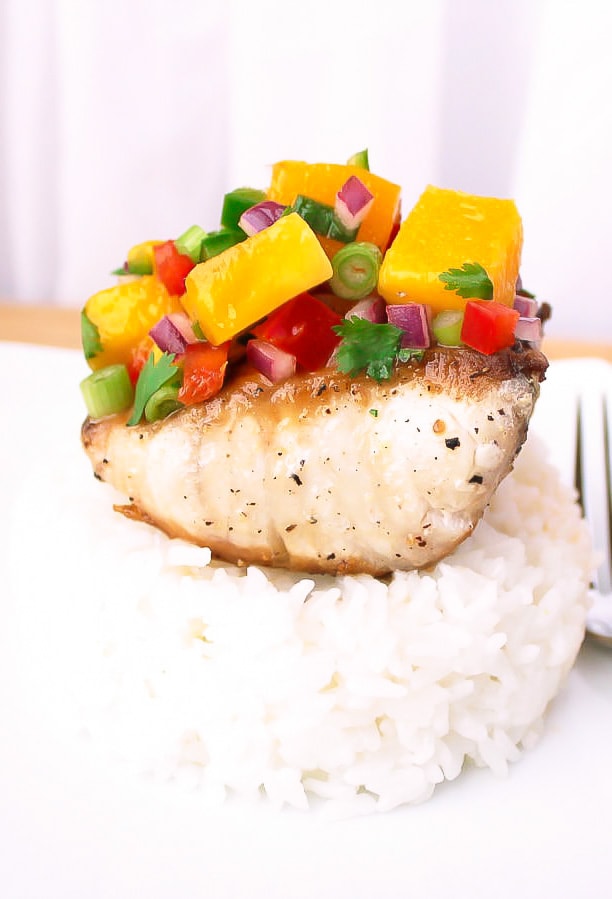
Image Source: kitskitchen.com
Choosing the Best Ono Fish
The first step in preparing any fish is selecting the freshest, highest-quality product. Ono is a powerful, fast-swimming predatory fish, and its quality directly impacts its taste and texture.
What to Look For at the Fish Market:
- Appearance: The flesh should be firm, moist, and translucent with a pinkish hue. Avoid fish with dull, dry, or discolored flesh.
- Smell: Fresh fish should smell clean and of the sea, not “fishy” or ammonia-like.
- Eyes: If buying a whole fish, the eyes should be clear, bright, and slightly bulging.
- Firmness: When you press the flesh, it should spring back.
Ono Fish Preparation Tips:
When you bring your ono home, it’s important to handle it properly.
- Keep it Cold: Store fish on ice in the refrigerator.
- Cleanliness: Rinse the fish under cold water and pat it dry with paper towels.
- Filleting: If your fish isn’t already filleted, it’s best to have your fishmonger do it. If you’re doing it yourself, a sharp fillet knife is essential. The loin, which is the thickest part of the fillet, is often considered the best cut.
- Steaks vs. Fillets: Ono can be prepared as thick steaks or beautiful fillets. Cooking methods might vary slightly depending on the cut. Cooking Ono steak can yield wonderfully flaky results.
Delicious Ono Fish Recipes and Cooking Methods
Ono’s firm texture holds up well to various cooking methods. Its mild flavor is also a great canvas for different seasonings and marinades.
1. Grilled Ono: A Summer Favorite
Grilling is one of the most popular ways to prepare ono fish, especially during warmer months. The high heat of the grill sears the outside, locking in moisture and creating a delicious smoky flavor.
Preparing Wahoo for the Grill:
- Cut: Ono steaks or thick fillets work best for grilling. Aim for pieces at least 1-inch thick.
- Ono Fish Marinade: A simple marinade can elevate grilled ono.
- Citrus-Herb Marinade: Combine olive oil, lemon juice, minced garlic, chopped fresh parsley, dill, and a pinch of salt and pepper. Marinate for 30 minutes to an hour.
- Teriyaki Marinade: A classic teriyaki sauce (soy sauce, mirin, sake, ginger, garlic) works wonderfully. Marinate for at least 1 hour, or up to 4 hours.
- Ono Fish Seasoning: Even without a marinade, simple seasoning is key. A good rub of salt, black pepper, and perhaps a touch of garlic powder or paprika will highlight the fish’s natural flavor.
Grilling Ono Fish:
- Preheat the Grill: Get your grill to medium-high heat (around 400-450°F or 200-230°C).
- Clean and Oil the Grates: This prevents the fish from sticking.
- Cooking Time: Grill ono for about 4-6 minutes per side for 1-inch thick pieces. The fish is done when it flakes easily with a fork and reaches an internal temperature of 145°F (63°C).
- Resting: Let the fish rest for a few minutes after grilling. This allows the juices to redistribute, resulting in a more moist and flavorful fish.
2. Pan-Seared Ono: Quick and Elegant
Pan-searing is a fast and effective way to cook ono, creating a beautiful golden-brown crust while keeping the inside tender and flaky. This method is perfect for weeknight meals or when you want a restaurant-quality dish at home.
Ono Fish Preparation for Searing:
- Cut: Fillets are ideal for pan-searing. Ensure they are about 1-inch thick.
- Pat Dry: Thoroughly pat the fish dry with paper towels. This is crucial for achieving a good sear.
- Seasoning: Ono fish seasoning for searing is typically simple. Generously season with salt and freshly ground black pepper just before cooking.
Pan-Searing Ono Fish:
- Heat the Pan: Use a heavy-bottomed skillet, preferably cast iron or stainless steel. Heat 1-2 tablespoons of a high-smoke-point oil (like canola, grapeseed, or avocado oil) over medium-high heat until it shimmers.
- Sear the Fish: Carefully place the seasoned ono fillets into the hot pan, presentation side down. Don’t overcrowd the pan; cook in batches if necessary.
- Cook: Sear for about 3-4 minutes per side, depending on thickness. You’ll see a nice crust form.
- Butter Basting (Optional): For extra flavor, add a tablespoon of butter, a clove of garlic, and a sprig of thyme or rosemary to the pan during the last minute of cooking. Tilt the pan and spoon the melted butter over the fish.
- Check for Doneness: The fish should flake easily with a fork, or an instant-read thermometer should register 145°F (63°C).
3. Baked Ono: Simple and Healthy
Baking is a hands-off approach that allows the ono to cook gently and evenly. It’s a great option for preparing larger quantities or when you want a healthy meal with minimal fuss.
Ono Fish Preparation for Baking:
- Cut: Fillets or steaks can be baked.
- Ono Fish Marinade or Seasoning:
- Lemon-Garlic: Place fillets in a baking dish, drizzle with olive oil, lemon juice, minced garlic, and season with salt, pepper, and a sprinkle of dried oregano.
- Miso-Glazed: Mix white miso paste with mirin, soy sauce, and a touch of honey. Brush this glaze over the ono fillets before baking.
- Vegetables: Consider adding vegetables like asparagus, cherry tomatoes, or sliced bell peppers to the baking dish alongside the fish.
Baking Ono Fish:
- Preheat Oven: Preheat your oven to 400°F (200°C).
- Bake: Place the prepared ono in a baking dish. Bake for 12-15 minutes, or until the fish is opaque and flakes easily. Cooking time will vary based on thickness.
4. Ono Fish Ceviche: A Tropical Delight
Ono’s firm texture makes it an excellent choice for ceviche, where the fish is “cooked” in citrus juice. This is a refreshing and vibrant dish, perfect for appetizers or a light lunch.
Preparing Ono for Ceviche:
- Cut: Use very fresh, high-quality ono, preferably sushi-grade. Cut the fish into small, uniform cubes (about 1/2 inch).
- Marinating Liquid: The primary “cooking” agent is lime or lemon juice. You’ll need enough to cover the fish generously.
- Other Ingredients: Diced red onion, jalapeño (seeded and minced), cilantro, diced tomatoes, and a touch of salt are common additions.
Making Ono Ceviche:
- Marinate: Combine the cubed ono with the citrus juice in a non-reactive bowl (glass or ceramic). Ensure the fish is fully submerged. Cover and refrigerate.
- “Cooking” Time: The fish will turn opaque and firm as the acid denatures the proteins. This typically takes 20-30 minutes. Taste a piece to check for doneness.
- Add Other Ingredients: Once the fish is “cooked,” drain off some of the excess lime juice (leaving a little for flavor). Gently stir in the red onion, jalapeño, cilantro, tomatoes, and salt.
- Serve: Serve immediately with tortilla chips or plantain chips.
5. Ono Fish Poke: Raw and Flavorful
Similar to ceviche, ono is delicious prepared as poke, a Hawaiian dish featuring diced raw fish. The key is using the freshest possible fish and a flavorful marinade.
Preparing Ono for Poke:
- Cut: Use the freshest, sushi-grade ono. Cut the fish into bite-sized cubes.
- Ono Fish Marinade: A typical poke marinade includes soy sauce, sesame oil, a touch of rice vinegar, and sometimes diced onion or scallions.
- Optional Additions: Diced avocado, edamame, seaweed salad, or toasted sesame seeds can be added for extra flavor and texture.
Making Ono Poke:
- Combine: Gently mix the cubed ono with your chosen marinade and any desired additions.
- Chill: Let it chill for at least 15-30 minutes to allow the flavors to meld.
- Serve: Serve over rice, as a salad topping, or on its own.
Ono Fish Marinade Ideas
A good marinade can infuse flavor and even tenderize the fish, though ono is naturally tender and doesn’t require extensive tenderizing. Here are some Ono fish marinade ideas to inspire your cooking:
Classic Citrus Marinade:
- 1/4 cup Olive oil
- 2 tbsp Fresh lime juice
- 1 tbsp Fresh lemon juice
- 2 cloves Garlic, minced
- 1 tbsp Fresh parsley, chopped
- 1 tsp Fresh dill, chopped
- Salt and black pepper to taste
Soy-Ginger Marinade:
- 1/4 cup Soy sauce (or tamari for gluten-free)
- 2 tbsp Mirin (Japanese sweet rice wine)
- 1 tbsp Rice vinegar
- 1 tbsp Grated fresh ginger
- 1 clove Garlic, minced
- 1 tsp Sesame oil
Spicy Mango Marinade:
- 1/2 cup Mango puree (from fresh or canned mango)
- 1 tbsp Lime juice
- 1 tsp Honey or agave nectar
- 1/2 tsp Red pepper flakes (or to taste)
- Pinch of salt
Ono Fish Preparation Tips for Marinades:
- Marinating Time: Ono is a delicate fish and doesn’t need to marinate for too long. 30 minutes to 2 hours is usually sufficient. Over-marinating, especially with acidic marinades, can make the fish mushy.
- Discard Marinade: Always discard any marinade that has come into contact with raw fish.
Ono Fish Seasoning
Beyond marinades, simple Ono fish seasoning can bring out its best qualities.
Basic Seasoning Blend:
- Sea salt
- Freshly ground black pepper
- Garlic powder
- Onion powder
- Paprika (for color and a hint of sweetness)
Herbaceous Seasoning Blend:
- Sea salt
- Black pepper
- Dried oregano
- Dried thyme
- Dried basil
- A pinch of lemon zest
Tropical Seasoning Blend:
- Salt
- Black pepper
- Garlic powder
- A touch of ground cumin
- A pinch of cayenne pepper
Tips for Ono Fish Seasoning:
- Apply Just Before Cooking: For dry rubs and simple seasonings, apply them right before the fish hits the heat.
- Don’t Over-Salt: Ono has a natural flavor that can be easily overpowered by too much salt.
Cooking Ono Steak: Specific Considerations
When you’re cooking Ono steak, a thicker cut, you might adjust your approach slightly.
- Sear First, Then Finish: For thicker ono steaks, you can start by searing them in a hot pan or on the grill to develop a crust, then transfer them to a moderate oven to finish cooking through. This ensures the inside cooks evenly without the outside burning.
- Adjust Cooking Time: Thicker steaks will naturally take longer to cook. Use an instant-read thermometer to check for doneness at 145°F (63°C).
- Resting is Crucial: Like all good steaks, allow ono steaks to rest for 5-10 minutes after cooking before cutting into them.
Best Ono Fish Recipes: A Quick Recap
The “best” Ono fish recipes depend on your personal preference, but here’s a reminder of some top contenders:
- Grilled Ono with Lemon-Herb Marinade: Classic, fresh, and full of flavor.
- Pan-Seared Ono with Garlic Butter: Quick, elegant, and perfectly cooked with a golden crust.
- Ono Fish Ceviche: Refreshing, zesty, and a great appetizer.
- Ono Poke Bowls: A taste of Hawaii with fresh, marinated raw fish.
- Baked Ono with Miso Glaze: Umami-rich and subtly sweet.
Frequently Asked Questions About Ono Fish
Q: Is ono fish healthy?
A: Yes, ono fish is a good source of lean protein, omega-3 fatty acids, and various vitamins and minerals. It’s a heart-healthy choice.
Q: How do I know if my ono fish is cooked through?
A: The best way is to use an instant-read thermometer. Ono is cooked when its internal temperature reaches 145°F (63°C). Visually, the flesh should be opaque and flake easily with a fork.
Q: Can I freeze ono fish?
A: Yes, ono can be frozen. Wrap it tightly in plastic wrap, then in aluminum foil or place it in a freezer-safe bag. It’s best to use it within 3-6 months for optimal quality. Thaw it in the refrigerator overnight before cooking.
Q: What side dishes pair well with ono?
A: Ono’s mild flavor makes it versatile. It pairs well with roasted vegetables (like asparagus, broccoli, or sweet potatoes), rice pilaf, a fresh green salad, mashed potatoes, or a light citrus salsa.
Q: Is ono the same as Wahoo?
A: Yes, ono is the Hawaiian name for Wahoo. They are the same fish.
Preparing ono fish is a rewarding culinary experience. Its firm texture and delicate, sweet flavor lend themselves beautifully to a variety of cooking methods and flavor profiles. By following these Ono fish preparation tips and exploring these delicious Ono fish recipes, you can create memorable meals that highlight this exceptional seafood. Enjoy experimenting with different Ono cooking methods, from the smoky char of Grilled Ono to the quick sear of Pan-seared Ono, and discover your favorite way to savor this incredible fish.