
Can you put unboiled driftwood in a fish tank? Yes, but it’s best to prepare it first to avoid issues like cloudy water or introducing harmful substances to your aquatic environment. Proper driftwood preparation is key to successfully using aquarium driftwood as natural aquarium decor. This guide will walk you through everything you need to know to make your driftwood safe and beautiful for your fish.
Using driftwood for fish tanks adds a touch of nature and provides hiding places for fish, which reduces stress. It can also help mimic their natural habitat. However, not all driftwood is created equal, and untreated wood can cause problems. We’ll cover how to sterilize driftwood, the benefits of boiling driftwood, the process of curing driftwood, and why soaking driftwood is important. We’ll also discuss driftwood safe for fish and how to manage tannins in driftwood.
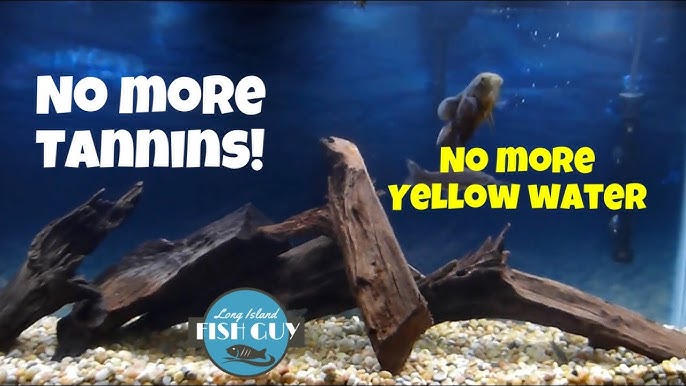
Image Source: i.ytimg.com
Why Prepare Driftwood?
Before we dive into the how-to, let’s look at why preparation is so crucial. Raw, uncollected driftwood can harbor:
- Pests and Parasites: Small creatures that could harm your fish.
- Harmful Chemicals: Residues from pollution or natural toxins.
- Unwanted Microorganisms: Bacteria and fungi that can cause illness or bloom in your tank.
- Excess Tannins: These can tint the water brown, which some aquarists like, but too much can lower pH significantly, making it unsuitable for many fish species.
Proper preparation ensures your aquarium driftwood is safe and stable for your underwater world.
Choosing the Right Driftwood
Not all wood is suitable for aquariums. Some woods can leach toxic substances or break down too quickly.
Safe Wood Types
Many types of wood are safe and popular for aquariums. These include:
- Mopani Wood: Dense, dark, and slow to break down. It’s a favorite for its appearance and stability.
- Spiderwood: Lighter in color with many branching “legs,” offering great visual interest and hiding spots.
- Manzanita Wood: Similar to spiderwood, known for its intricate branching and relatively hard texture.
- Grapewood: Often has interesting twists and turns.
- Cypress Wood: Another common and safe option.
Woods to Avoid
- Pine, Cedar, and Fir: These softwoods contain oils and resins that are toxic to fish.
- Driftwood Found Near Polluted Areas: Even if the wood type is safe, pollution can make it dangerous.
- Any Wood with a Strong or Unpleasant Odor: This could indicate rot or chemical contamination.
What If I Don’t Know the Wood Type?
If you find driftwood in nature and are unsure of its type, it’s best to err on the side of caution. Thorough preparation is even more vital in these cases.
The Preparation Process: Step-by-Step
The preparation of driftwood for fish tanks typically involves several steps: cleaning, boiling, soaking, and curing. The order and duration of these steps can vary slightly depending on the wood and your specific goals.
Step 1: Thorough Cleaning
First, you need to remove any loose debris, dirt, or algae.
- Scrubbing: Use a stiff brush (like a scrub brush or an old toothbrush) to scrub all surfaces of the driftwood. You can do this under running tap water.
- Rinsing: Rinse the wood thoroughly to remove any loosened particles.
Important Note: Do not use any soaps, detergents, or cleaning chemicals. These can leave residues that are harmful to fish.
Step 2: Boiling the Driftwood
Boiling driftwood is a critical step for several reasons:
- Sterilization: It kills bacteria, fungi, and other microorganisms.
- Weighting: Boiling helps to saturate the wood, making it sink more easily in the aquarium. Untreated driftwood often floats.
- Tannin Reduction: Boiling can help to leach out some of the tannins in driftwood.
How to Boil Driftwood:
- Find a Suitable Pot: You’ll need a large pot, preferably one you don’t use for cooking. A stockpot or a large plastic tub that can withstand heat works well.
- Submerge the Wood: Place the driftwood in the pot. Ensure it’s fully submerged. You might need to weigh it down with a plate or rocks if it floats.
- Fill with Water: Cover the driftwood completely with water.
- Bring to a Boil: Heat the water to a rolling boil.
- Boil for at Least One Hour: For smaller pieces, an hour might be sufficient. For larger, denser pieces, you may need to boil for 2-3 hours or even longer. You want to ensure the water remains boiling.
- Monitor Water Level: Keep an eye on the water level and add more boiling water if necessary to keep the wood submerged.
- Cool Down: After boiling, turn off the heat and allow the water to cool down completely. This can take several hours.
Tips for Boiling:
- Multiple Boiling Sessions: For very large or porous pieces, you might need to repeat the boiling process a few times over several days.
- Water Color: The water will likely turn brown or yellowish as tannins are released. This is normal.
Step 3: Soaking the Driftwood
After boiling and cooling, soaking driftwood is the next crucial step. This process further reduces tannins and helps stabilize the wood.
How to Soak Driftwood:
- Use a Clean Container: Find a clean bucket, tub, or even your bathtub (if you’re careful about staining).
- Submerge the Wood: Place the boiled driftwood in the container and fill it with water, ensuring the wood is fully submerged.
- Change Water Regularly: This is the most important part of soaking.
- Initial Soaking: For the first few days, change the water daily, or even twice a day, as it will likely turn very brown.
- Ongoing Soaking: As the water becomes less discolored, you can change it every 2-3 days.
- Duration: Soak the driftwood for at least 1-2 weeks, but often 3-4 weeks is recommended for significant tannin reduction and to ensure the wood sinks reliably. The goal is for the water to remain relatively clear during the last few days of soaking.
What are Tannins?
Tannins are natural compounds found in many types of wood, including driftwood. When wood is submerged, these tannins are released into the water.
- Effects of Tannins:
- Water Color: They tint the water a brown or yellowish hue, often called a “blackwater” effect.
- pH Reduction: Tannins are acidic and can lower the pH of the aquarium water.
- Potential Benefits: In some cases, tannins can mimic the natural environment for certain fish species (like Bettas or South American cichlids) and may have some antifungal or antibacterial properties.
Most common aquarium fish are tolerant of some tannins, but excessive amounts can be harmful. Soaking helps to manage this.
Step 4: Curing the Driftwood
Curing driftwood is essentially the prolonged soaking process that ensures the wood is stable, inert, and won’t release excessive tannins or float. This is a crucial part of driftwood preparation.
Factors in Curing:
- Time: The longer you cure, the more stable the wood will be.
- Water Changes: Regular water changes during curing are vital for removing leached compounds.
- Wood Density: Denser woods will cure faster than lighter woods.
Most of the curing process happens during the soaking phase described above. By the end of a 2-4 week soak with regular water changes, your driftwood is likely well-cured.
Step 5: Testing the Wood
Before introducing the driftwood to your main aquarium, it’s a good idea to test it.
- Sink Test: Does the driftwood sink on its own after soaking? If it still floats, you may need to continue soaking or weigh it down in the tank.
- Water Test: Place the wood in a separate, smaller container of clean water for a day or two. If the water turns excessively dark or has a strong odor, it needs more soaking.
Advanced Preparation Techniques
Some aquarists use additional methods to prepare driftwood.
Baking Driftwood
While boiling is more common, baking can also be used to sterilize driftwood.
How to Bake Driftwood:
- Clean Thoroughly: Ensure the wood is free of dirt and debris.
- Preheat Oven: Set your oven to a low temperature, around 200-250°F (95-120°C).
- Bake for Several Hours: Place the wood on a baking sheet and bake for 2-4 hours. Rotate the pieces periodically.
- Monitor for Smoke: Keep a close eye on the wood to prevent it from charring or igniting. This method carries a higher risk of fire than boiling.
Caution: Baking can sometimes make wood more brittle. It doesn’t help with sinking as much as boiling does. For most aquarists, boiling is the preferred and safer sterilization method.
Using Aquarium Water for Soaking
Some aquarists prefer to soak driftwood in a separate aquarium filled with cycled aquarium water.
- Pros: This can help introduce beneficial bacteria to the wood, potentially speeding up colonization by helpful microorganisms. It also allows you to monitor water parameters during the process.
- Cons: If the wood has any harmful bacteria or leaches undesirable substances, it could contaminate your cycled tank water.
For beginners, using tap water in a separate container is generally safer.
Managing Tannins in Driftwood
While some aquarists embrace the blackwater look, others prefer clear water.
Reducing Tannins:
- Extended Soaking: As discussed, the longer and more frequently you change the water, the more tannins you’ll remove.
- Boiling: Multiple boiling sessions will also help.
- Activated Carbon: Once the driftwood is in your aquarium, you can use activated carbon in your filter. Activated carbon is excellent at absorbing tannins and other dissolved organic compounds. It will need to be replaced regularly.
- Water Changes: Frequent large water changes in your aquarium will also help dilute tannins over time.
When Tannins Are Desired:
For aquariums aiming to replicate blackwater environments, leaving some tannins is beneficial.
- Fish Preference: Species like Tetras, Rasboras, Bettas, and many South American Cichlids come from environments naturally rich in tannins. The tannins can promote breeding and reduce stress in these fish.
- Water Parameters: Tannins can help lower pH and increase the acidity of the water, creating a more natural habitat for these fish. Always monitor your water parameters (pH, KH, GH) closely to ensure they are stable and suitable for your chosen inhabitants.
Introducing Driftwood to Your Aquarium
Once your driftwood preparation is complete, it’s time to add it to your tank.
Placement and Stability
- Sink Test: Ensure the wood sinks reliably. If it still floats, you can tie or weigh it down temporarily. Small stainless steel weights or smooth rocks can be used.
- Aquascaping: Arrange the driftwood creatively to provide structure and hiding places. Consider how it will look from different angles and how fish will interact with it.
- Avoid Direct Flow: Don’t place driftwood directly in front of filter outlets, as this can disrupt the flow or cause debris to accumulate.
Initial Monitoring
After adding the driftwood:
- Water Clarity: The water might still get slightly cloudy for a day or two as any remaining fine particles are released. This should clear up quickly.
- Fish Behavior: Observe your fish. They should generally be curious about the new addition and may start using it for shelter.
- pH Levels: Keep an eye on your pH. If you notice a significant drop after adding the wood, it might indicate it still leaches a lot of tannins, and you may need to continue with water changes or activated carbon.
Maintaining Driftwood in Your Aquarium
Prepared driftwood is generally low maintenance.
- Algae Growth: Algae may grow on the driftwood over time. This is natural and can be a food source for some algae-eating fish (like Plecos or Otocinclus). If it becomes unsightly, you can scrub it off gently with a toothbrush during a water change.
- Breakdown: Over a very long period (years), some softer woods might start to break down. This is usually a slow process. If pieces start to crumble significantly, it’s time to replace them.
- Cleaning for Reintroduction: If you ever remove driftwood for cleaning or rearranging, rinse it with plain water. If it needs more intensive cleaning, repeat the boiling and soaking process, though this is rarely necessary.
Table: Driftwood Preparation Summary
Here’s a quick reference for the preparation steps:
| Step | Purpose | Duration / Notes |
|---|---|---|
| Cleaning | Remove debris, dirt, algae | Scrub with a brush under running water. No soaps. |
| Boiling | Sterilize, saturate, reduce tannins, aids sinking | At least 1 hour for small pieces, 2-3+ hours for large. Repeat if needed. |
| Soaking | Further reduce tannins, leach impurities, ensure sinking | 1-4 weeks. Change water daily initially, then every few days. Water will discolor. |
| Curing | Stabilize wood, ensure it’s inert | Achieved through extended soaking and regular water changes. |
| Testing | Check for sinking and excessive tannin leaching | Sink test; soak in a separate container for a day or two. |
Frequently Asked Questions (FAQ)
Q: Do I have to boil all driftwood?
A: While boiling is highly recommended for sterilization and to help the wood sink, if you are very patient and soak it for an extended period (several weeks) with very frequent water changes, you might get away with not boiling. However, boiling is the safest and most effective method for most aquarists.
Q: My driftwood is still floating after a week of soaking. What should I do?
A: Continue soaking! Some dense woods can take a long time to fully waterlog. You can also weigh it down in the tank using aquarium-safe suction cups, rocks, or stainless steel weights. Over time, it should become waterlogged enough to sink on its own.
Q: How do I know if the driftwood is safe for my fish?
A: Stick to known aquarium-safe wood types. If you find wood in nature, clean it thoroughly, boil it, and soak it for at least two weeks, changing the water regularly. If the water remains clear after prolonged soaking and the wood doesn’t have a foul smell, it’s likely safe.
Q: Will driftwood affect my aquarium’s pH?
A: Yes, tannins released from driftwood can lower the pH. The extent depends on the type of wood and how well it was prepared. If you want to maintain a stable, higher pH, you’ll need to manage tannins through soaking, activated carbon, and water changes. If you aim for a blackwater setup, some tannin release is desirable.
Q: Can I use driftwood from the ocean?
A: Ocean driftwood is generally not recommended. It is saturated with salt, which can be very difficult to remove completely and can be detrimental to freshwater fish. It’s best to stick to freshwater sources or purchase aquarium-specific driftwood.
Q: Is it okay if my aquarium looks like tea?
A: For some fish species, a slightly tea-colored aquarium is perfectly fine and even beneficial, mimicking their natural habitat. However, if you prefer clear water or have fish that require specific parameters, you’ll need to actively reduce the tannins.
In conclusion, preparing driftwood for fish tanks is an essential step to ensure a healthy and beautiful aquatic environment. By following these steps for driftwood preparation, you can confidently add these beautiful pieces of natural aquarium decor and enjoy the benefits they bring to your fish. From thorough cleaning to careful soaking and curing, each step ensures your aquarium driftwood is driftwood safe for fish and contributes positively to your underwater world.