
Can you get rid of algae in a fish pond? Yes, you can! Getting rid of algae and keeping your pond clean involves a multi-step approach focusing on prevention and treatment.
Algae in a fish pond can be a persistent problem, turning clear water into a murky green soup and even harming your aquatic life. But don’t worry! This guide will walk you through everything you need to know about pond algae control, from identifying the causes to implementing effective pond cleaning methods. We’ll cover how to remove pond scum, achieve green pond water treatment, explore natural algae removal techniques, and discuss how aquatic plants for algae can be your allies. Plus, we’ll touch on fish pond maintenance to prevent pond algae and introduce the concept of beneficial bacteria pond for a healthy ecosystem.
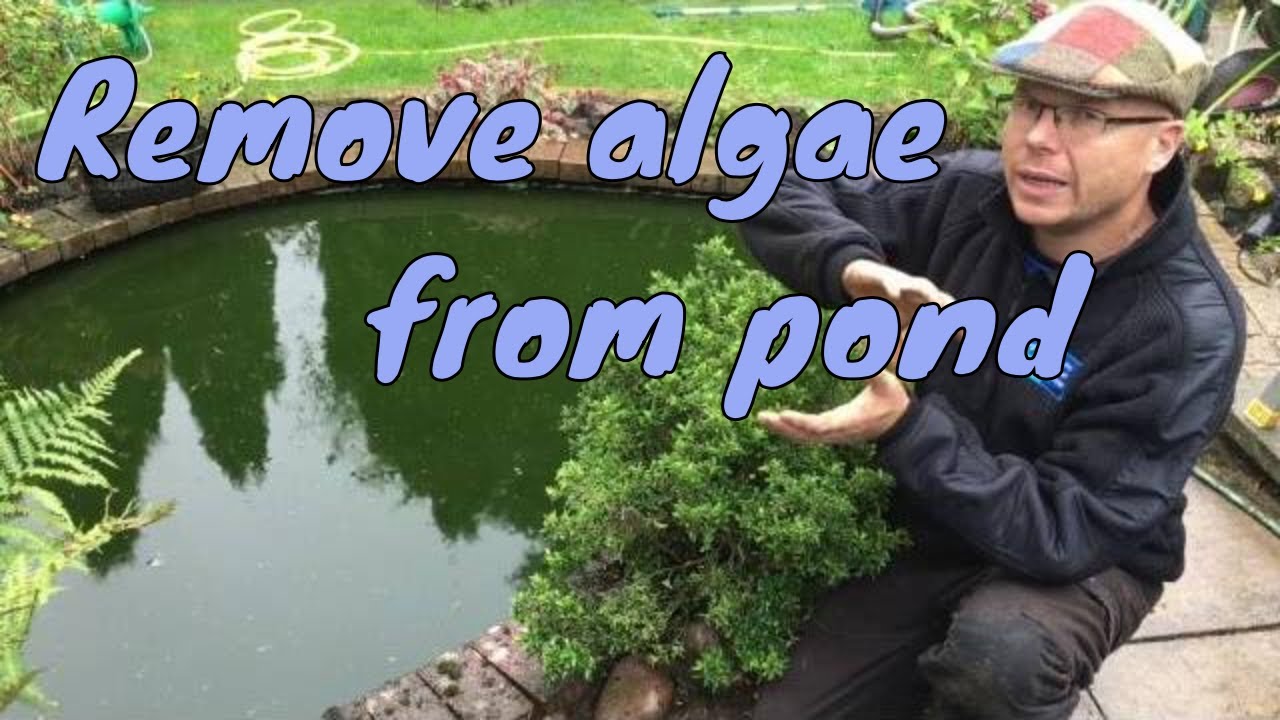
Image Source: i.ytimg.com
Why Does Pond Algae Appear?
Before we dive into solutions, it’s helpful to grasp why algae thrives in ponds. Algae are natural parts of a pond ecosystem, but an overgrowth, known as an algal bloom, happens when there’s an excess of nutrients. Think of it like a plant getting too much fertilizer – it grows too fast!
Several factors contribute to this nutrient imbalance:
- Excess Sunlight: Algae, like plants, need sunlight to grow. Ponds exposed to direct sunlight for many hours a day are more prone to algal blooms.
- Nutrient Overload: This is the primary culprit. Common sources of excess nutrients include:
- Fish waste and uneaten fish food.
- Decomposing organic matter (leaves, grass clippings, dead plants).
- Runoff from lawns and gardens containing fertilizers.
- High levels of nitrates and phosphates in your water source.
- Lack of Aeration: Low oxygen levels can stress fish and beneficial bacteria, leading to more waste and nutrient buildup.
- Stagnant Water: Water that doesn’t circulate well provides an ideal environment for algae to flourish.
Types of Pond Algae
Most pond owners encounter one of two main types of algae:
Filamentous Algae (Pond Scum)
This is the stringy, hair-like algae that often floats on the surface or attaches to rocks and waterfalls. It’s often what people mean when they say they need to remove pond scum. While not directly toxic, large mats of filamentous algae can block sunlight from reaching submerged plants and deplete oxygen at night.
Planktonic Algae (Green Water)
This type of algae consists of single-celled organisms that are suspended in the water, giving it a green tint. This is what causes that classic green pond water treatment challenge. Planktonic algae can quickly consume dissolved oxygen, especially when they die off and decompose, posing a serious threat to fish.
Effective Methods for Algae Removal and Control
Now, let’s get to the core of how to get rid of algae in your fish pond. A combination of approaches is usually most effective.
Physical Removal: The First Line of Defense
This is the most immediate way to tackle visible algae.
Manual Removal
- Skimming: For floating filamentous algae (pond scum), use a fine-mesh pond skimmer net. Go out regularly, especially after windy days, and skim as much of the algae off the surface as possible.
- Brushing: Algae that attaches to rocks, liners, or decorations can be brushed off. A soft-bristled pond brush or even an old toothbrush can work. You can then skim the loosened algae away.
- Algae Brush Tools: Dedicated pond brushes with long handles are available and make cleaning vertical surfaces easier.
Using an Algae Brush with a Net
Some pond cleaning tools combine a brush with a net, allowing you to brush algae off surfaces and immediately capture it.
Natural Algae Removal Techniques
Harnessing nature’s power is a sustainable way to manage algae.
Introducing Aquatic Plants
Aquatic plants for algae are incredibly beneficial because they compete with algae for nutrients. Healthy, established plants will absorb the same excess nutrients that algae need to bloom.
- Submerged Plants (Oxygenators): These plants live entirely underwater and are excellent nutrient absorbers. Examples include:
- Anacharis (Elodea)
- Hornwort (Ceratophyllum)
- Milfoil
- Floating Plants: These plants float on the surface, providing shade and absorbing nutrients from the water column.
- Water Lilies
- Water Hyacinth (check local regulations as it can be invasive)
- Water Lettuce
- Marginal Plants: These grow in shallow water along the edges.
- Irises
- Cattails (use dwarf varieties to control size)
- Rushes
Tip: Aim for about 50-60% plant coverage in your pond for optimal nutrient competition.
Beneficial Bacteria
Introducing beneficial bacteria pond products can significantly improve water quality. These bacteria consume organic waste, breaking it down before it can release nutrients that fuel algae growth.
- How They Work: Beneficial bacteria act as natural filters, consuming fish waste, decaying plant matter, and other organic debris. This process reduces the nutrient load in the water.
- When to Use: Add beneficial bacteria regularly, especially during the spring to kickstart the pond season, after adding new fish, or after a period of heavy feeding. Follow product instructions carefully for dosage.
Barley Straw
Barley straw is a traditional and natural method for natural algae removal.
- How it Works: As barley straw decomposes in the pond water, it releases compounds that inhibit algae growth. It doesn’t kill existing algae but acts as a preventative measure.
- Application: Place bales of barley straw in mesh bags in a sunny area of the pond. It takes several weeks for the decomposition process to begin, so it’s best used preventatively in the spring. Replace the straw every 6-12 months.
Water Treatments (Use with Caution)
When natural methods aren’t enough, or for severe algae bloom solutions, chemical treatments might be considered, but they should be a last resort due to potential risks to fish and other pond life.
Algaecides
Algaecides kill algae. However, it’s crucial to use them correctly.
- Types: They come in various forms, including copper-based, potassium carbonate-based, and others.
- Risks:
- Oxygen Depletion: When algae die rapidly, their decomposition consumes a large amount of dissolved oxygen, which can suffocate fish.
- Toxicity: Some algaecides can be toxic to fish, invertebrates, and aquatic plants if used incorrectly or if the pond is sensitive.
- Rebound Effect: If the underlying nutrient problem isn’t addressed, algae can quickly return.
- Best Practices:
- Use sparingly and only when necessary.
- Treat only a portion of the pond at a time to avoid severe oxygen depletion.
- Ensure good aeration before and after treatment.
- Always follow product instructions precisely.
- Consider biological treatments first.
Water Clarifiers
Water clarifiers don’t kill algae but clump together suspended particles (including algae) so they can be filtered out or settle to the bottom to be removed.
- How they Work: They work like a flocculant, making tiny particles stick together, forming larger clumps.
- Benefits: Can improve water clarity quickly without the risks associated with algaecides.
- Considerations: The clumped algae will sink and will need to be removed through your pond’s filtration system or physically removed.
Improving Pond Aeration
Good aeration is vital for a healthy pond ecosystem and helps prevent algae.
- Benefits of Aeration:
- Increases dissolved oxygen levels, which benefits fish and beneficial bacteria.
- Helps circulate water, preventing stagnant areas where algae can thrive.
- Can help prevent extreme temperature fluctuations in the water.
- Methods:
- Pond Fountains: Add visual appeal and effectively aerate the water surface.
- Aeration Diffusers/Bubblers: Submersible devices that release fine bubbles, effectively transferring oxygen from the air into the water. These are often more efficient than fountains for deeper ponds.
- Waterfalls and Streams: The tumbling action of water over rocks creates aeration.
Filtration Systems
A properly sized and maintained filtration system is key to fish pond maintenance and algae control.
- Mechanical Filtration: Removes solid debris like leaves, fish waste, and loose algae before they break down and release nutrients. This includes filters with sponges, filter floss, or brushes.
- Biological Filtration: Provides a home for beneficial bacteria. These bacteria break down toxic ammonia and nitrites from fish waste. A healthy biological filter is crucial for a balanced pond.
- UV Sterilizers: These devices pass water through a chamber where ultraviolet light kills free-floating algae (planktonic algae) and pathogens. They are very effective at clearing green pond water but do not affect string algae attached to surfaces.
- How they Work: Water is pumped through the UV unit. The UV light damages the DNA of single-celled algae, preventing them from reproducing and causing them to clump together, making them easier to filter out.
- Placement: UV sterilizers are typically placed after mechanical filtration in the water flow.
- Maintenance: The UV bulb needs to be replaced annually, as its effectiveness decreases over time.
Prevention: The Best Long-Term Solution
Once your pond is clear, the focus should shift to preventing algae from returning. This is where consistent fish pond maintenance comes in.
Manage Fish Load
- Overstocking: Too many fish in a pond lead to excessive waste, which is a primary nutrient source for algae.
- Feeding: Only feed your fish what they can eat in a few minutes. Uneaten food decomposes and contributes to nutrient buildup. Feed high-quality fish food.
Control Nutrient Sources
- Leaf and Debris Removal: Regularly skim fallen leaves and other debris from the pond surface. Use pond netting in the fall to catch leaves before they sink.
- Trim Back Overhanging Vegetation: Trim branches and plants that hang over the pond to reduce the amount of organic matter that falls in.
- Buffer Zones: Create a vegetated buffer zone around your pond. This helps filter out fertilizers and other pollutants from lawn and garden runoff before they reach the pond.
- Avoid Lawn Fertilizers Near the Pond: If you fertilize your lawn, ensure the fertilizer does not get blown or washed into the pond.
Provide Shade
- Aquatic Plants: As mentioned earlier, floating plants and adequate submerged plant coverage help shade the water, reducing sunlight for algae.
- Pond Cover: In extreme cases, you can use a pond net or a shade sail temporarily to reduce sunlight exposure.
Regular Maintenance Schedule
A consistent fish pond maintenance schedule is crucial for prevent pond algae.
- Weekly:
- Skim surface debris.
- Check fish for signs of stress or disease.
- Ensure pumps and filters are running correctly.
- Monthly:
- Test water parameters (pH, ammonia, nitrite, nitrate).
- Clean filter media if necessary (rinse in pond water to preserve beneficial bacteria).
- Prune dead or decaying plant material.
- Seasonally:
- Add beneficial bacteria.
- Add barley straw (spring).
- Prepare pond for winter (if applicable).
- Replace UV bulbs (annually).
Troubleshooting Common Algae Problems
| Problem | Primary Cause | Solutions |
|---|---|---|
| Green Water | Planktonic algae bloom | UV sterilizer, water clarifiers, beneficial bacteria, increased aeration, nutrient reduction (feed less, remove debris), introduce more aquatic plants. |
| String Algae | Filamentous algae | Manual removal (skimming, brushing), beneficial bacteria, nutrient reduction, increase aeration, introduce more aquatic plants, barley straw. |
| Algae on Rocks/Statues | Filamentous algae attachment | Brushing, manual removal, consider adding beneficial bacteria to outcompete. |
| Algae Bloom followed by Fish Distress | Severe planktonic algae bloom causing oxygen depletion | Immediate manual removal of as much algae as possible, maximum aeration, stop feeding fish, use algaecide with extreme caution and aeration. This is an emergency. |
Frequently Asked Questions (FAQ)
What is the fastest way to get rid of green pond water?
The fastest way to clear green pond water is often a combination of a UV sterilizer and a water clarifier. However, be aware that rapid clearing can sometimes lead to oxygen depletion if the algae die-off is too sudden and the pond is not well-aerated. Addressing the underlying nutrient issues is key for long-term solutions.
Can I use salt in my fish pond to kill algae?
While some people use salt in ponds, it’s generally not recommended as a primary algae control method, especially in a fish pond. Salt can stress fish and plants if not used in precise, controlled amounts. It doesn’t address the root cause of algae blooms (excess nutrients).
How much is too much algae in a fish pond?
Any amount of algae that significantly clouds the water or forms thick mats on surfaces can be problematic. While some algae are natural, excessive growth can lead to oxygen depletion, harm fish, and detract from the pond’s aesthetic appeal.
Can I use household bleach to kill algae?
Absolutely not. Household bleach is highly toxic and will kill your fish, plants, and beneficial bacteria, making the problem far worse. Never use bleach or other harsh household chemicals in your pond.
When is the best time to add beneficial bacteria to my pond?
The best times to add beneficial bacteria are in early spring as the pond starts to warm up to prepare for the growing season, and again in the fall to help break down decaying organic matter over winter. You can also add them after cleaning, adding new fish, or any time you notice increased organic waste.
Will adding more fish help with algae control?
No, quite the opposite. More fish mean more waste, which translates to more nutrients for algae. It’s crucial to maintain a balanced fish load appropriate for your pond’s size and filtration capacity.
By following these guidelines for pond algae control, you can effectively get rid of algae in your fish pond and maintain a healthy, beautiful ecosystem for your aquatic inhabitants. Remember that consistency in fish pond maintenance and a focus on prevent pond algae through nutrient management are your best allies in the long run.