
What is the best way to clean a fish pond? The best way to clean a fish pond involves a multi-step approach focusing on removing debris, managing algae, ensuring proper filtration, and maintaining a healthy ecosystem.
A clean fish pond is a delight for any pond owner. It’s a haven for your fish, a vibrant display of aquatic plants, and a peaceful addition to your landscape. But how do you keep it that way? Regular fish pond maintenance is key to preventing common problems and ensuring a thriving environment. This guide will walk you through the process, making pond cleaning easy and effective. We’ll cover everything from tackling that pesky pond algae removal to ensuring optimal pond water clarity.
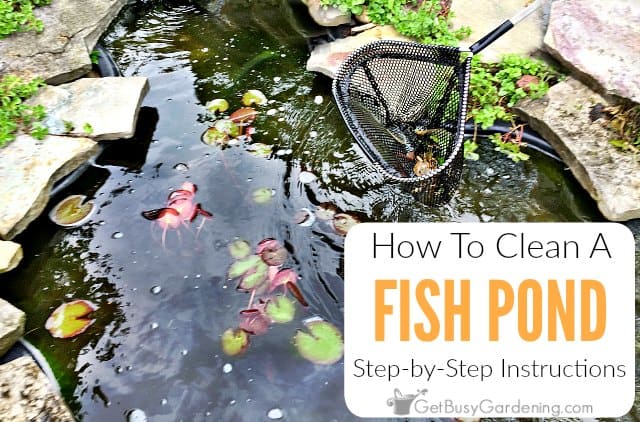
Image Source: getbusygardening.com
Preparing for Pond Cleaning
Before you dive in, some preparation is crucial. Gathering the right pond cleaning equipment and having a plan will make the job much smoother.
Essential Pond Cleaning Equipment
Having the right tools at your disposal is half the battle. Here’s what you’ll likely need:
- Pond Net: A fine-mesh net is essential for removing debris, fallen leaves, and excess pond muck. A long handle is very helpful.
- Pond Vacuum or Siphon: This is your secret weapon for pond muck removal. It helps suck up sludge and sediment from the pond bottom without disturbing the substrate too much.
- Buckets or Tubs: For temporary housing of fish if necessary, or for carrying out removed debris and water.
- Hose and Water Source: You’ll need fresh water, ideally dechlorinated, to top up the pond.
- Brush or Scraper: For gently cleaning pond liners or rockwork.
- Pond Gloves: To protect your hands from muck and water.
- Water Testing Kit: Crucial for monitoring water parameters before and after cleaning.
- Replacement Filter Media: If your pond filter cleaning involves replacing media.
- Beneficial Bacteria Treatment: To re-establish healthy bacterial colonies after cleaning.
Planning Your Pond Cleaning Session
Fish pond maintenance doesn’t have to be an overwhelming task. By breaking it down and planning, you can achieve great results.
- Timing is Everything: The best time to clean your pond is during the warmer months, typically spring or early summer. Avoid cleaning during extreme heat or cold. Spring is ideal for a thorough clean after winter.
- Assess Your Pond: Take a good look at your pond. What are the main issues? Is it cloudy water? Excessive algae? A thick layer of muck on the bottom? Identifying the problems will help you focus your efforts.
- Fish Safety First: If you need to temporarily remove your fish for a deep clean, have a plan. Ensure you have a large enough container with aerated pond water. Never keep fish in stagnant or dirty water.
Step-by-Step Pond Cleaning Guide
Let’s get down to the nitty-gritty of cleaning your fish pond.
Step 1: Debris Removal
The first step in pond debris removal is to get rid of floating and submerged junk.
- Surface Debris: Use your pond net to skim off leaves, twigs, and any other floating debris from the surface. Do this regularly between major cleanings to prevent them from sinking and decaying.
- Submerged Debris: Carefully use your net or a siphon to remove larger pieces of debris that have settled at the bottom.
Step 2: Addressing Pond Muck Removal
Pond muck removal is vital for preventing the buildup of harmful anaerobic bacteria and improving pond water clarity.
- Using a Pond Vacuum: A pond vacuum is designed to suck up sludge and sediment from the pond floor. Gently move the vacuum head across the bottom, collecting the muck. You can direct the discharged water to a garden bed where the nutrients can be beneficial.
- Siphoning: If you don’t have a pond vacuum, a simple siphon can also be effective for removing muck. Submerge one end of a hose in the muck, and use a bucket to start the siphon. Control the flow to avoid sucking up too much gravel or disturbing your fish unnecessarily.
- Manual Removal: In smaller ponds or for targeted cleaning, you might need to manually scoop out accumulated muck with your net or a small shovel, being careful not to disturb the pond liner.
Step 3: Pond Algae Removal
Pond algae removal is often a recurring challenge. There are several effective methods.
- Manual Removal: For string algae, your net can be surprisingly effective. Twirl the net to snag and remove the algae.
- Beneficial Bacteria: Introducing beneficial bacteria is a natural way to combat algae. These bacteria consume the excess nutrients in the water that algae feed on.
- Phosphate Binders: Products containing chitin or other phosphate binders can absorb phosphates, starving the algae.
- UV Sterilizers: These devices kill free-floating algae, improving pond water clarity. They are typically installed as part of your filtration system.
- Barley Straw: As barley straw decomposes, it releases compounds that inhibit algae growth. It’s a natural and safe method.
- Plant Power: Healthy aquatic plants compete with algae for nutrients. Ensure your pond plant care is up to par.
Step 4: Pond Filter Cleaning
A clean filter is crucial for maintaining good pond water clarity and overall pond ecosystem health.
- How to Clean a Pond Filter: The process depends on your filter type.
- Mechanical Filters (Pond Filter Cleaning): These usually involve sponges or pads. Rinse them with pond water you’ve removed from the pond. Never use chlorinated tap water, as it will kill the beneficial bacteria living on the filter media.
- Biological Filters: These house beneficial bacteria. Gently rinse the media with pond water. Avoid over-cleaning, as you want to preserve the bacterial colonies.
- UV Sterilizers: Clean the quartz sleeve that surrounds the UV bulb. A dirty sleeve reduces the UV light’s effectiveness. Replace the UV bulb annually, even if it still lights up, as its UV output decreases over time.
Table 1: Common Pond Filter Types and Cleaning Frequency
| Filter Type | Cleaning Method | Frequency | Notes |
|---|---|---|---|
| Submersible/Internal | Rinse sponges/pads with pond water. | Monthly/As needed | Ensure it’s not clogged to maintain water flow. |
| Pressurized Canister | Rinse media with pond water. Clean UV sleeve. | Monthly/As needed | Crucial for maintaining water pressure and clarity. |
| Waterfall/Box Filter | Rinse sponges/brushes/matting with pond water. | Monthly/As needed | Good for mechanical and biological filtration. |
| UV Sterilizer Component | Clean quartz sleeve. Replace bulb annually. | Clean sleeve quarterly. | Essential for controlling green water algae and improving water clarity. |
Step 5: Water Changes and Top-Ups
Pond water clarity is also maintained through regular partial water changes.
- Partial Water Change: A 10-25% water change is usually sufficient. Remove old water using a siphon or submersible pump, and replace it with fresh, dechlorinated water. This helps dilute accumulated nitrates and other waste products.
- Dechlorination: If using tap water, always treat it with a pond dechlorinator to remove chlorine and chloramines, which are toxic to fish and beneficial bacteria.
Step 6: Pond Plant Care
Healthy aquatic plants are your allies in maintaining a clean pond and a balanced pond ecosystem health.
- Trimming: Trim back any dead or yellowing leaves and flowers. This prevents them from decaying in the water and consuming oxygen.
- Pruning: Overgrown plants can shade out other desirable plants or even block sunlight from reaching the pond bottom. Prune them back to a manageable size.
- Fertilizing: Use pond-specific fertilizers for aquatic plants, especially for heavy feeders. Avoid over-fertilizing, as excess nutrients can fuel algae growth.
- Repotting: If plants are outgrowing their containers or have become root-bound, repot them in fresh aquatic soil.
Step 7: Aeration and Filtration Enhancement
Good pond aeration and effective filtration are ongoing processes that contribute to a clean pond.
- Pond Aeration: Ensure your aerator or waterfall is functioning correctly. Aeration adds vital oxygen to the water, which is essential for fish and beneficial bacteria. It also helps prevent stagnant areas where muck can accumulate.
- Filter Maintenance: Regularly check that your pond filter cleaning schedule is being followed. A clogged filter starves the pond of oxygen and reduces its effectiveness in removing waste.
Maintaining a Healthy Pond Ecosystem
Cleaning is a proactive measure. Consistent fish pond maintenance ensures your pond remains healthy year-round.
Regular Monitoring
- Water Testing: Regularly test your pond water for parameters like pH, ammonia, nitrite, and nitrate. These indicators tell you a lot about the health of your pond ecosystem health.
- Visual Checks: Observe your fish. Are they active and healthy? Look for signs of stress or disease. Check plants for good growth and color.
Natural Pond Cleaning Methods
Embrace natural solutions for a cleaner, healthier pond.
- Beneficial Bacteria: These microscopic organisms are the workhorses of your pond. They break down organic waste, consume excess nutrients, and help keep the water clear. Add them regularly, especially after cleaning or adding new fish.
- Aquatic Plants: As mentioned, plants are nature’s filtration system. They absorb nitrates and phosphates, outcompeting algae. Aim for a good balance of submerged, floating, and marginal plants.
- Pond Aeration: Crucial for a healthy ecosystem. Oxygen is needed by fish, beneficial bacteria, and even beneficial plant roots.
Troubleshooting Common Pond Problems
Even with regular care, you might encounter issues.
- Cloudy Water: Can be caused by excess nutrients, suspended particles, or a blooming algae population. Address the root cause, which might involve more pond muck removal, improved filtration, or adding beneficial bacteria.
- Green Water (Algae Bloom): This is often due to high nutrient levels, particularly phosphates, and excessive sunlight. Implement pond algae removal techniques and consider a UV sterilizer for a quick fix.
- Foul Odors: Usually a sign of anaerobic decomposition, often at the bottom of the pond where muck has built up. This indicates a need for more thorough pond muck removal and better pond aeration.
Advanced Pond Cleaning Techniques
For those seeking a deeper clean or facing persistent problems, consider these methods.
Partial Draining and Cleaning
In some cases, a more thorough clean might be necessary.
- How to Partially Drain a Pond: Siphon out a significant portion of the water (e.g., 50-75%) into suitable containers for your fish. Use the removed water for cleaning filters and equipment.
- Scrubbing Liners: With the water level lowered, you can access the sides and bottom to gently scrub away algae and sludge. Use a soft brush and pond-safe cleaners if absolutely necessary, but pond water is usually sufficient.
- Rinsing Substrate: If you have a gravel bottom, you might need to gently rinse it to remove accumulated muck.
Professional Pond Cleaning Services
If your pond is very large, complex, or you lack the time and equipment, consider hiring professional pond cleaning equipment services. They have specialized tools and expertise for deep cleaning and addressing systemic issues.
Seasonal Pond Maintenance
Fish pond maintenance needs change with the seasons.
Spring Cleaning
Spring is the ideal time for a thorough fish pond maintenance session after the winter.
- Remove Winter Debris: Get rid of any accumulated leaves or organic matter that may have settled over winter.
- Check Equipment: Ensure pumps and filters are working correctly.
- Introduce Beneficial Bacteria: Replenish beneficial bacteria colonies.
- Start Aeration: If you turned off aeration for winter, restart it.
- Add Plants: Introduce new aquatic plants or repot existing ones.
Summer Care
During warmer months, focus on keeping the water cool and oxygenated.
- Monitor Water Levels: Evaporation will be higher. Top up as needed with dechlorinated water.
- Manage Algae: Summer heat can encourage algae growth. Stay on top of pond algae removal.
- Ensure Aeration: Keep your aeration running to combat lower oxygen levels in warmer water.
Autumn Preparations
Prepare your pond for the colder months.
- Remove Falling Leaves: Skim leaves daily to prevent them from sinking and decaying.
- Trim Plants: Cut back dead foliage from aquatic plants.
- Lower Pond Levels (Optional): In very cold climates, you might lower the pond level slightly.
- Install De-icer/Aerator: If you live in a freezing climate, a de-icer and aerator combo is crucial to maintain an opening for gas exchange.
Winterization
Protect your pond and fish during winter.
- Keep an Opening: Use an aerator or de-icer to keep a hole in the ice for gas exchange.
- Avoid Over-Cleaning: Do not perform major cleaning or water changes during winter.
- Stop Feeding Fish (if applicable): Stop feeding fish when water temperatures drop significantly.
Frequently Asked Questions About Pond Cleaning
Here are some common questions pond owners have.
Q1: How often should I clean my fish pond?
A1: A full deep clean is typically done once a year, usually in spring. However, regular maintenance like skimming surface debris, checking filters, and topping up water should be done weekly or bi-weekly. Fish pond maintenance is an ongoing process.
Q2: Can I use chemicals to clean my pond?
A2: It’s best to minimize the use of chemicals. Natural methods like beneficial bacteria, aquatic plants, and manual removal are safer for fish and the pond ecosystem health. If you must use chemicals for severe algae or other issues, ensure they are pond-specific and follow instructions precisely, as many can harm fish and beneficial bacteria. Always dechlorinate tap water before adding it.
Q3: My pond water is very cloudy. What should I do?
A3: Cloudy water can be caused by several factors. First, ensure your pond filter cleaning is up to date and your filter is adequately sized. Remove excess debris and any accumulated pond muck removal is crucial. Consider adding beneficial bacteria to help clear the water and improve pond water clarity. If it’s green, it’s likely an algae bloom, requiring specific pond algae removal techniques.
Q4: How do I get rid of string algae?
A4: String algae is best removed manually with a pond net by twirling it to collect the algae. Adding beneficial bacteria can help by consuming the nutrients algae feed on, and ensuring good pond aeration and healthy pond plant care will also aid in control.
Q5: Is it safe to remove my fish when cleaning the pond?
A5: It is only necessary to remove fish if you plan to drain the pond significantly or use strong cleaning agents that could harm them. If you must remove them, do so gently, and keep them in a sufficiently large container with aerated pond water.
By following these comprehensive steps, you can ensure your fish pond remains a beautiful, healthy, and clear sanctuary for your aquatic life and a peaceful retreat for you. Regular fish pond maintenance, including pond muck removal, pond algae removal, proper pond filter cleaning, and attentive pond plant care, all contribute to a thriving pond ecosystem health and excellent pond water clarity. Don’t forget the importance of pond aeration to keep your water oxygenated and healthy!