
If you’re wondering, “How old is my betta fish?” the answer isn’t a simple number you can pinpoint with absolute certainty without knowing their birth date. However, by observing physical characteristics and behavior, you can get a good estimate of your betta’s betta fish age. This guide will walk you through the various signs and stages of a betta’s life, helping you determine betta age and understand their betta lifespan.
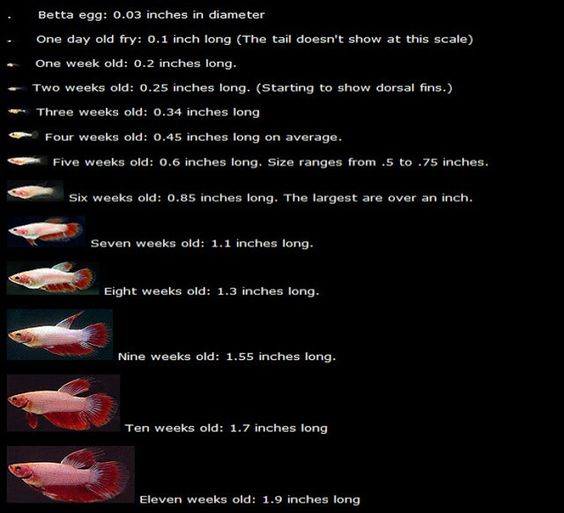
Image Source: bettafish.org
Deciphering Betta Fish Life Stages
Bettas, like all living creatures, progress through distinct betta fish life stages. From a tiny fry to a mature adult and eventually an old betta fish, each phase presents unique visual and behavioral cues. Recognizing these stages is key to how to tell betta age.
Juvenile Betta: The Growing Fry and Youngster
The journey of a betta fish begins as a small egg, often fertilized and cared for by the male. Once hatched, these tiny creatures are called fry.
Fry Stage (0-3 Weeks)
- Appearance: Extremely small, often transparent with a yolk sac for nourishment. They resemble miniature, almost unformed fish.
- Behavior: Primarily stay near the surface, absorbing nutrients from the yolk sac. They are highly dependent on their environment.
- Key Indicators: You won’t typically see fry unless you are a breeder. They are far too small and fragile to be handled or accurately aged without specialized knowledge.
Young Betta (3 Weeks – 3 Months)
- Appearance: As they grow, fry develop into recognizable fish shapes. Their fins will be short and stubby. Coloration may be muted or inconsistent at this stage. They will be significantly smaller than adult bettas.
- Behavior: Active swimmers, exploring their surroundings. They start to develop their fighting instincts and territorial behavior, even if it’s just playful sparring with siblings.
- Key Indicators: Short, undeveloped fins. A generally small size. They may still be a bit wobbly in their swimming.
Adolescent Betta: Approaching Maturity
This stage is where your betta starts to truly develop their characteristic beauty and personality.
Teenage Betta (3 Months – 6 Months)
- Appearance: Fins begin to lengthen and spread. Coloration becomes more vibrant and defined. Their bodies will still be slender compared to a fully mature betta.
- Behavior: Increased activity and curiosity. They might start flaring more frequently, especially if housed with other fish (though it’s crucial to remember bettas are solitary). Their appetite will likely increase.
- Key Indicators: Noticeable fin growth. More developed color patterns. They are still lean and active. This is often when bettas are sold in pet stores, meaning many bettas you purchase are in this age bracket.
Adult Betta: The Prime of Life
The adult stage is when your betta is at their most vibrant and fully developed. This is also when they are considered to be in betta fish maturity.
Young Adult Betta (6 Months – 1 Year)
- Appearance: Full finnage, bright and rich colors. Their bodies will be more robust and less slender. They have reached their full physical potential in terms of size and color.
- Behavior: Confident swimmers, active explorers. They will exhibit strong territorial behavior and flaring. They are generally healthy and energetic.
- Key Indicators: Fully developed fins and vibrant colors. A solid, healthy body shape. Active and engaged with their environment.
Prime Adult Betta (1 Year – 2 Years)
- Appearance: This is peak betta fish maturity. Their colors are deep and consistent, and their fins are long and flowing. They maintain a healthy, robust physique.
- Behavior: Active, engaged, and responsive. They often recognize their owners and interact by following fingers or approaching the glass. They are at their most beautiful.
- Key Indicators: The epitome of betta beauty. Excellent health and responsiveness. This is the ideal age for enjoying all the visual splendor a betta has to offer.
Old Betta Fish: The Golden Years
As your betta ages, subtle changes occur, signaling that they are entering their senior years.
Senior Betta (2 Years and Older)
- Appearance: While still beautiful, some signs of aging may appear. Colors might slightly fade or become less intense. Fins might not be as perfectly spread or could show a slight “drag.” Some may develop a slight hunch or a less streamlined body shape. Occasional fin fraying or small tears can also occur, though this should be distinguished from fin rot.
- Behavior: Generally less active and energetic. They may spend more time resting at the bottom of the tank or in their favorite hiding spots. They might become a bit more sensitive to water changes or temperature fluctuations. Their appetite may decrease slightly.
- Key Indicators: Reduced activity levels. Possible subtle fading of colors. Fins may not be as pristine. Increased resting time. Sensitivity to environmental changes.
Factors Influencing Betta Lifespan and Age Estimation
Several factors can influence how long a betta lives and how accurately you can gauge its age. Betta lifespan is not a fixed number and can vary greatly.
Natural Betta Lifespan
In optimal conditions with proper care, a betta’s betta lifespan is typically between 2 to 5 years. However, some can live longer, and sadly, many live much shorter lives due to poor husbandry.
- Ideal Conditions: Large tank (5 gallons or more), stable temperature (76-80°F), clean water with regular partial water changes, a varied diet of high-quality betta pellets and frozen/live foods, and a stress-free environment.
- Suboptimal Conditions: Small bowls or tanks (less than 3 gallons), infrequent water changes, poor water quality, fluctuating temperatures, inadequate diet, and stress from overcrowding or aggressive tank mates (which should always be avoided for bettas).
How to Tell Betta Age: Key Physical Indicators
To accurately gauge your betta’s age, pay close attention to these physical traits:
Fin Length and Development
- Juvenile: Short, stubby fins.
- Adolescent: Fins begin to lengthen and spread.
- Adult: Full, flowing fins.
- Senior: May show some fraying, slight drooping, or less perfect spread.
Coloration
- Juvenile: Often muted or patchy colors.
- Adult: Vibrant, consistent, and deep colors.
- Senior: Colors may start to subtly fade or lose some intensity.
Body Shape and Size
- Juvenile: Slender and small.
- Adult: Robust and proportionally sized for their finnage.
- Senior: May become slightly less streamlined, perhaps a bit “softer” in appearance, or develop a slight paunch.
Activity Level and Behavior
- Juvenile/Young Adult: High energy, constantly exploring.
- Mature Adult: Active and engaged, responsive to surroundings.
- Senior: Decreased energy, more resting, potentially less responsive.
Gaining Insight into Betta Fish Maturity
Understanding betta fish maturity is crucial for accurate age estimation. A mature betta displays full physical development and established behaviors.
Maturity Milestones
- Sexual Maturity: Bettas typically reach sexual maturity around 3-4 months of age. This is when they become capable of reproduction.
- Full Growth: Most bettas reach their full adult size by about 6-8 months. Their fins will be fully developed, and their colors will be at their peak.
Comparing Betta Fish Age with Life Stages
Let’s consolidate the information by associating age ranges with the described life stages. This table provides a quick reference for determining betta age.
| Life Stage | Approximate Age Range | Key Visual Characteristics | Key Behavioral Characteristics |
|---|---|---|---|
| Fry | 0-3 Weeks | Tiny, transparent, yolk sac present | Near surface, absorbing nutrients |
| Young Betta | 3 Weeks – 3 Months | Small, stubby fins, developing colors | Active swimmers, exploring, early signs of territoriality |
| Adolescent Betta | 3 Months – 6 Months | Fins lengthening, colors becoming vibrant, leaner body | Increased activity, more flaring, developing personality |
| Young Adult Betta | 6 Months – 1 Year | Full finnage, bright colors, healthy body shape | Confident swimmers, responsive, active explorers |
| Prime Adult Betta | 1 Year – 2 Years | Peak color and fin development, robust physique | Highly active, engaged, responsive, peak health |
| Senior Betta | 2 Years and Older | Potential slight color fading, minor fin imperfections, less robust | Reduced energy, more resting, potentially sensitive to changes |
Betta Health and Age: A Crucial Connection
Betta health and age are intrinsically linked. A healthy betta will often appear younger for its age and have a longer lifespan, while poor health can accelerate signs of aging.
Signs of Healthy Aging vs. Illness
It’s important to differentiate between natural signs of aging and symptoms of illness.
- Natural Aging: Subtle color fading, slight decrease in activity, occasional minor fin fraying.
- Illness: Sudden lethality, significant color loss, clamped fins, lethargy (not just resting), loss of appetite, visible sores, fuzzy patches, rapid breathing, or abdominal swelling.
If you suspect your betta is unwell rather than just old, consult reliable betta care resources or a veterinarian specializing in fish.
Factors Impacting Betta Lifespan and Aging
- Genetics: Just like humans, some bettas are genetically predisposed to live longer and healthier lives.
- Diet: A nutritious and varied diet is paramount. Overfeeding or feeding poor-quality food can lead to health problems and shorten their lifespan.
- Water Quality: Consistent clean water with appropriate parameters (temperature, pH, ammonia, nitrite, nitrate) is critical for preventing stress and disease.
- Tank Size and Environment: A spacious tank (minimum 5 gallons) with appropriate decorations for hiding and exploration provides a less stressful environment, contributing to a longer, healthier life.
- Stress: Constant stress from poor water quality, inappropriate tank mates, or inadequate hiding places can significantly shorten a betta’s life and accelerate aging.
Common Misconceptions About Betta Age
Many new betta owners have questions about their fish’s age. Let’s address some common points.
“My Betta is Huge, It Must Be Old!”
While adult bettas are larger than juveniles, size alone isn’t a definitive indicator of age. Some bettas may grow faster than others due to genetics and optimal conditions. A small, healthy 6-month-old betta can appear more “mature” than a larger, stressed 1-year-old. Focus on the overall development of fins, color, and behavior.
“All Old Bettas Have Droopy Fins!”
While older bettas may develop some fin imperfections, this isn’t a universal rule. Fin rot or other diseases can cause droopy or clamped fins in bettas of any age. Healthy aging typically involves natural wear and tear, not disease-related fin damage.
“My Betta is Only a Few Months Old and Already Seems Lethargic.”
If a betta appears lethargic, it’s more likely a sign of poor health, stress, or incorrect water parameters, rather than simply being young. Bettas, even young ones, are typically energetic and active when kept in proper conditions.
Frequently Asked Questions (FAQ)
How can I be sure my betta is an adult?
Your betta is likely an adult when its fins are fully developed, its colors are vibrant and consistent, and it has a robust body shape. This usually happens around 6-8 months of age.
Can I tell if my betta is still a baby?
Yes, if your betta is very small, has stubby fins, and its colors are not yet fully developed, it’s likely a juvenile or adolescent.
What are the signs of an old betta?
Signs of an old betta can include slightly faded colors, a decrease in activity, more time spent resting, and possibly minor imperfections in finnage (but not due to disease).
Does Betta lifespan vary significantly?
Yes, betta lifespan can vary significantly. While the average is 2-5 years with good care, poor conditions can drastically shorten this, and excellent genetics and care can sometimes extend it beyond 5 years.
How do I promote a long and healthy betta lifespan?
Provide a spacious tank (minimum 5 gallons), maintain stable warm water temperatures (76-80°F), perform regular partial water changes, feed a high-quality diet, and ensure a stress-free environment.
Is it normal for an older betta’s fins to deteriorate?
Some minor wear and tear or less perfect fin spread can occur as a betta ages naturally. However, significant fraying, clamping, or melting of fins is usually a sign of illness or poor water quality, not just old age.
By observing these physical cues and considering the various betta fish life stages, you can gain a much clearer picture of your betta’s age and ensure you are providing them with the best possible care throughout their fascinating life.