
Can fish survive in a bag for an extended period? Generally, no. Fish are typically kept in bags for short transit times, usually a few hours at most, with survival depending heavily on factors like water quality, temperature, and the species of fish. This guide will delve into the specifics of fish bag survival time and provide crucial insights for pet owners.
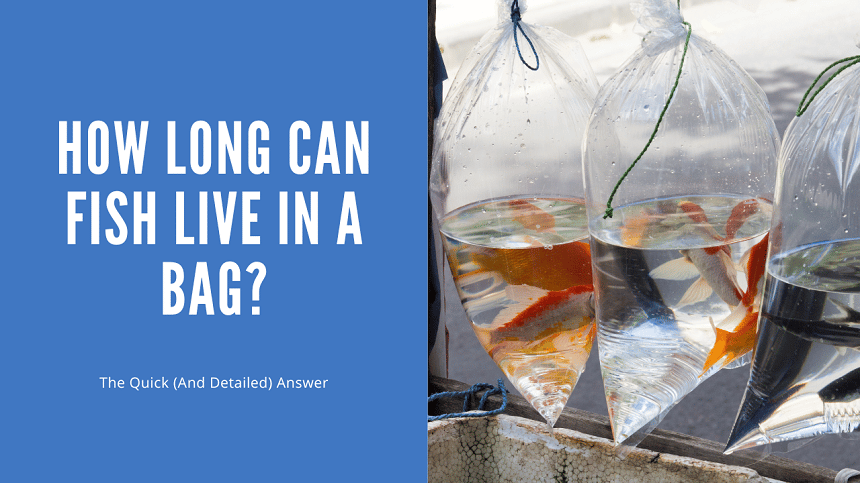
Image Source: aquariumstoredepot.com
The Basics of Fish Transport
When you purchase a new fish or move your aquatic friends, they are often placed in a plastic bag filled with water. This is a common method for aquarium fish transport, but it’s crucial to understand its limitations. These bags are not designed for long-term housing; they are a temporary solution for getting your fish from one place to another safely. The primary goal is to minimize stress and exposure to harmful conditions during the journey.
Factors Affecting Fish Bag Survival Time
Several critical elements determine how long a fish can endure life in a bag. These include the amount of oxygen available, the water quality, the temperature of the environment, the type of fish, and how it’s handled.
Oxygen Levels in a Fish Bag
Oxygen levels fish bag health are paramount. Fish breathe by extracting dissolved oxygen from the water using their gills. In a sealed bag, the fish consumes this oxygen, and without replenishment, the levels drop rapidly. This is why fish are often bagged with as much air as possible, creating a headspace above the water. This air pocket allows for some gas exchange, but it’s a finite resource.
- Metabolic Rate: More active fish or fish in warmer water will consume oxygen faster.
- Water Volume: Smaller volumes of water hold less dissolved oxygen.
- Bag Surface Area: A larger surface area to volume ratio can facilitate better gas exchange.
- Stress: Stressed fish often breathe more rapidly, depleting oxygen faster.
Water Quality and Waste Accumulation
As fish respire, they also release waste products, primarily ammonia. Ammonia is highly toxic to fish, even in small concentrations. In a sealed bag, waste builds up quickly, turning the water toxic.
- Ammonia Poisoning: Even a few hours can lead to dangerous ammonia levels if the water is not clean.
- Nitrite Buildup: While less common in short trips, nitrites can also become a problem if the nitrogen cycle is disrupted.
- pH Shifts: Waste products can also alter the water’s pH, further stressing the fish.
Temperature Effects on Fish Survival
Temperature plays a significant role in a fish’s metabolism and, consequently, its oxygen consumption.
- Warmer Water: Increases metabolic rate, meaning fish consume oxygen faster and produce waste more quickly. This significantly reduces fish bag survival time.
- Colder Water: Slows down metabolism, meaning fish consume less oxygen and produce less waste. This can extend fish transport duration, but extreme cold can also be harmful.
Table 1: Impact of Temperature on Fish Metabolism
| Temperature | Metabolic Rate | Oxygen Consumption | Waste Production | Stress Level |
|---|---|---|---|---|
| Cold | Slow | Low | Low | Low |
| Moderate | Normal | Moderate | Moderate | Low |
| Warm | Fast | High | High | High |
Fish Stress in Bags
Being confined to a small bag with limited space and potentially fluctuating water conditions is inherently stressful for fish.
- Physical Confinement: The inability to swim freely or exhibit natural behaviors causes anxiety.
- Sensory Overload: Inappropriate lighting or sudden movements can startle fish.
- Water Chemistry Changes: Even slight changes in oxygen or waste levels can be alarming.
- Handling: Rough handling during the bagging process adds to the stress.
This stress can weaken the fish, making it more susceptible to diseases and reducing its overall ability to cope with the journey. The goal of proper aquarium fish transport is to minimize this stress as much as possible.
Typical Fish Bag Survival Times
While there’s no single answer, here’s a general breakdown:
- Ideal Conditions (Short Trip): For most common aquarium fish, in a well-sealed bag with adequate water volume and air space, a trip of 1-3 hours is generally considered safe.
- Extended Trips (Up to 6-8 hours): With meticulous preparation, including acclimation to cooler temperatures, reduced feeding beforehand, and the use of pure oxygen (in professional settings), some fish can survive longer. However, this is pushing the limits and carries significant risk.
- Extreme Cases: In emergency situations or with specific species known for hardiness, survival might extend slightly longer, but this is not recommended for routine transport.
What Happens to Fish in Bags?
In a bag, fish are essentially in a mini-ecosystem that quickly degrades.
- Oxygen Depletion: The fish breathes the dissolved oxygen. The air pocket offers some replenishment, but this is limited.
- Waste Buildup: The fish releases ammonia from its gills and in its waste.
- Temperature Fluctuations: Bags are poor insulators, making them susceptible to rapid temperature changes from the environment.
- Stress Response: The confinement and poor water quality trigger a stress response, which further impacts the fish’s health.
These factors combine to create a hostile environment where the fish bag conditions rapidly deteriorate.
Species-Specific Endurance
Different fish have varying tolerances for the stresses of bagging.
Goldfish Bag Life
Goldfish are notoriously hardy, but this doesn’t make them immune to the problems of bagged transport. A goldfish bag life can potentially be longer than some tropical fish due to their lower metabolic rate, especially in cooler temperatures. However, they still produce significant waste, and their demand for oxygen is not negligible. Expect a similar short duration, perhaps slightly longer than delicate tropical fish, but never more than a few hours without risk.
Betta Fish Bag Endurance
Betta fish bag endurance is also limited. While often sold in small bags, this is typically only for very short distances from the store to home. Bettas are labyrinth fish, meaning they can breathe atmospheric air directly. This might seem like an advantage, but it doesn’t negate the issues of waste buildup and the stress of confinement. Prolonged exposure to poor water quality and lack of space will still severely impact their health.
Factors for Extended Fish Transport
If you need to transport fish for longer periods, specific measures are essential. This is where professional aquarium fish transport techniques come into play.
Pure Oxygen and Specialized Bags
Professional transporters often use pure oxygen instead of air. This significantly increases the dissolved oxygen capacity of the water, extending the fish transport duration. They also use thicker, more durable bags designed for this purpose.
Water Conditioning
Using a water conditioner to detoxify ammonia and nitrite can be beneficial for longer trips. Some professional setups also involve adding small amounts of beneficial bacteria.
Feeding Restrictions
It is crucial not to feed fish for at least 24 hours before transport. This reduces waste production during the journey, helping to maintain water quality.
Bagging Techniques
- Knotting: Double-knotting the bag securely prevents leaks.
- Doubling Up: Using two bags reduces the risk of punctures.
- Insulation: Using insulated boxes or coolers to maintain a stable temperature.
Recognizing Signs of Distress in Bagged Fish
It’s important to be aware of how a stressed fish might behave.
- Rapid Breathing: Fish may gulp at the surface or exhibit rapid gill movements.
- Lethargy: Becoming unusually still or sinking to the bottom.
- Clamped Fins: Fins held close to the body.
- Erratic Swimming: Swimming in circles or bumping into the bag.
- Color Changes: Fading or darkening of colors.
If you observe these signs, it indicates the fish bag conditions are deteriorating rapidly, and the fish needs to be transferred to a proper aquarium immediately.
Best Practices for Bringing Fish Home
When you bring a new fish home, the transition from bag to tank is critical.
- Float the Bag: Let the bag float in the aquarium for 15-20 minutes to equalize the temperature. This is a vital step in minimizing temperature shock.
- Acclimation Drip Method: For sensitive fish, use a drip acclimation method. This slowly introduces aquarium water into the bag over 30-60 minutes, allowing the fish to adjust to the new water parameters (pH, hardness, etc.).
- Transfer Carefully: Gently net the fish from the bag into the aquarium. Do not pour the bag water into your established tank, as it may contain waste or pathogens.
What are the Fish Handling Bag Limits?
Understanding fish handling bag limits is key to responsible pet ownership.
- Time: As discussed, generally no more than a few hours for typical transport.
- Water Volume: Ensure enough water for the fish to be submerged and move slightly.
- Fish Density: Never overcrowch a bag. A general rule is one small fish per bag, or multiple small, compatible fish if the bag is adequately sized for short transit.
- Temperature Stability: Avoid leaving bagged fish in direct sunlight or cold areas.
Common Mistakes to Avoid
- Leaving Fish in Bags for Too Long: This is the most common and dangerous mistake.
- Not Acclimating Properly: Leads to shock and stress.
- Pouring Bag Water into the Tank: Introduces potential contaminants.
- Overfeeding Before Transport: Increases waste in the bag.
- Exposing Bags to Extreme Temperatures: Crucial for survival.
The Importance of a Prepared Aquarium
A properly set-up and cycled aquarium is the best insurance for your fish’s health. Having a quarantine tank ready for new arrivals can also be beneficial. This allows you to observe new fish and ensure they are healthy before introducing them to your main tank, reducing the risk of disease spread.
Conclusion
The question of how long can fish survive in a bag has a simple answer: not long. These bags are a temporary transit solution. The fish bag survival time is heavily dependent on oxygen levels fish bag, water quality, temperature, fish stress in bags, and the species itself. By respecting these limitations and following proper aquarium fish transport protocols, you can ensure your aquatic pets arrive home safely and begin their lives in a healthy environment. Always prioritize the well-being of your fish, and never treat bags as a substitute for a proper aquarium.
Frequently Asked Questions (FAQ)
Q1: How long can a fish realistically survive in a bag without any intervention?
A1: For most common aquarium fish, in typical conditions with air-filled bags, survival beyond 3-4 hours becomes increasingly risky due to oxygen depletion and waste accumulation. Some very hardy species in cooler temperatures might last a bit longer, but this is not a reliable timeframe.
Q2: Can I leave a fish in a bag overnight?
A2: Absolutely not. Leaving a fish in a bag overnight is highly dangerous and will almost certainly result in the fish’s death due to lack of oxygen and toxic waste buildup.
Q3: What is the best way to transport fish if I need to go longer than 3 hours?
A3: For longer transports, consider using pure oxygen in the bag (if you have access to it), ensuring a larger water volume per fish, using water conditioners to neutralize ammonia, and packing the bags in an insulated container to maintain a stable temperature. Reducing feeding 24 hours prior is also essential.
Q4: My fish looks lethargic in the bag. What should I do?
A4: If your fish appears lethargic or shows other signs of distress, it means the fish bag conditions are no longer suitable. Transfer the fish to its properly prepared aquarium or a suitable temporary holding tank as quickly as possible.
Q5: Is it okay for goldfish to be in bags for longer periods because they are hardy?
A5: While goldfish are hardy, they still require adequate oxygen and clean water. Their waste production is also significant. Therefore, even goldfish should not be kept in bags for extended durations, typically no more than a few hours.
Q6: What’s the maximum recommended fish transport duration for most tropical fish?
A6: For most tropical fish, the maximum recommended fish transport duration without specialized equipment is generally around 2-3 hours. Beyond this, the risks of oxygen depletion and ammonia poisoning increase significantly.
Q7: How does temperature affect fish bag survival time?
A7: Warmer temperatures increase a fish’s metabolism, leading to faster oxygen consumption and waste production, thereby reducing fish bag survival time. Cooler temperatures slow metabolism, which can extend survival, but extreme cold can also be harmful.
Q8: What are the key fish handling bag limits I should be aware of?
A8: Key limits include the maximum time a fish can safely stay in a bag (typically a few hours), the minimum water volume per fish, avoiding overcrowding, and ensuring temperature stability. Always aim to minimize the duration and stress.