
Can you taxidermy a fish? Yes, you can taxidermy a fish, and it’s a fantastic way to preserve your prized catch as a lasting fishing trophy. The process of taxidermy fish involves several key steps, from preparing the specimen to the final artistic touches that bring your catch back to life. This guide will walk you through how they taxidermy fish, offering insights into the methods used for preserving fish and creating beautiful fish display pieces.
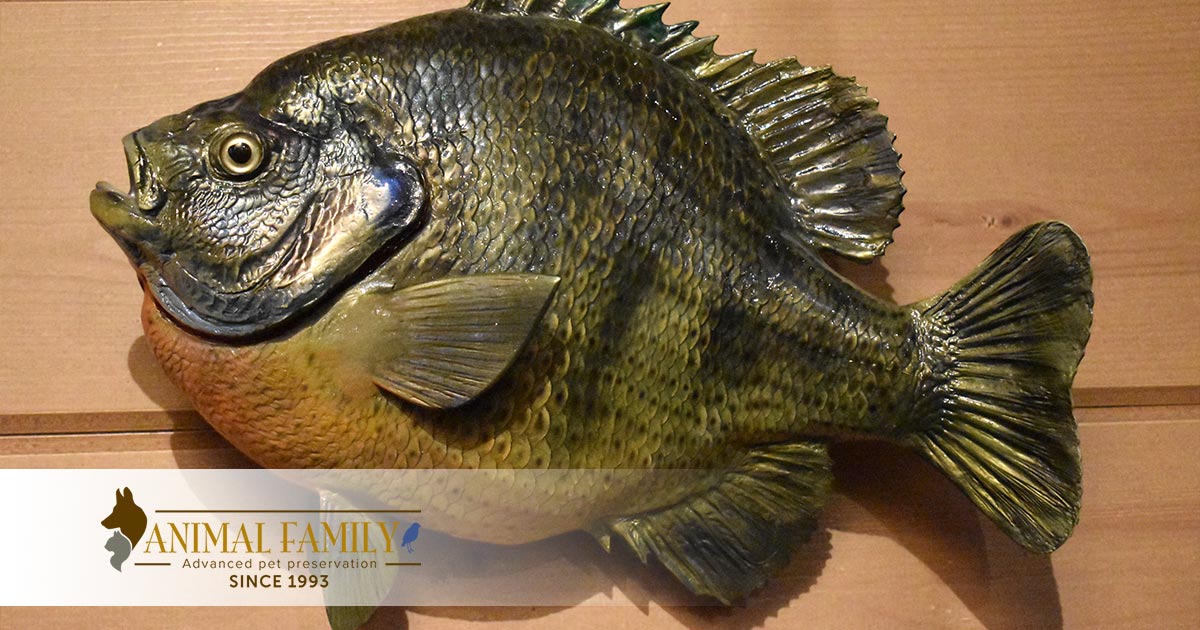
Image Source: animalfamilypet.com
The Art of Fish Mounting: Bringing Your Catch to Life
When you land that once-in-a-lifetime fish, the desire to keep it forever is strong. Fish mounting is the time-honored method for achieving this. It’s more than just preserving a fish; it’s about capturing the excitement of the catch and the beauty of the species. A skilled taxidermist fish can transform a memory into a tangible piece of art.
Why Choose Fish Taxidermy?
- Lasting Memory: A well-mounted fish serves as a constant reminder of a special fishing trip, a personal achievement, or a cherished moment.
- Educational Value: Mounted fish can be used for educational purposes, showcasing local or exotic species.
- Home Decor: A fish mount can be a striking and unique addition to any room, reflecting a passion for angling.
- Trophy Recognition: It’s the ultimate way to display a record-breaking catch or a particularly impressive specimen.
The Fish Taxidermy Process: A Step-by-Step Journey
The journey from a fresh catch to a lifelike fish mount is intricate. It requires patience, precision, and a deep appreciation for the aquatic world. Here’s a look at the typical steps involved in preserving fish for display.
Step 1: Proper Handling and Preparation of Your Catch
The quality of the final mount begins the moment the fish is landed. Proper handling is crucial for successful preserving fish.
- Minimize Damage: Avoid rough handling. Try not to break fins, scrape scales, or cause excessive bruising.
- Record Details: Before freezing, take clear, high-resolution photographs from multiple angles. Document the exact coloration, patterns, and any unique markings. Measurements are also vital.
- Keep it Clean: Gently rinse the fish with clean, cool water to remove dirt and slime.
- Immediate Freezing: If you’re not taking it directly to the taxidermist, freeze the fish as soon as possible. Wrap it tightly in plastic wrap or a freezer bag, ensuring no air is trapped. This prevents freezer burn and preserves the skin.
Step 2: Skinning Fish for Taxidermy
This is a critical stage where the fish’s skin is carefully removed. The goal is to preserve the skin with its scales intact, as these are what will give the final mount its natural appearance.
The Skinning Procedure:
- Initial Incision: The taxidermist makes a precise incision, usually along the underside of the fish, from the gill cover to the tail.
- Careful Separation: Using specialized tools, the skin is meticulously separated from the body. This is done with extreme care to avoid damaging the delicate scales or the skin itself.
- Removing the Body: The flesh, bone, and internal organs are discarded. The skin, along with the fins and head, is what will be preserved.
- Cleaning the Skin: Any remaining flesh or fat is carefully scraped away. This ensures the skin can be properly treated.
Step 3: Preserving Fish Skin: Tanning and Treatment
Once the skin is removed, it must be treated to prevent decay and prepare it for mounting.
Tanning Fish Skin:
- Purpose of Tanning: Tanning is a chemical process that converts the fish skin into a durable, pliable material. It stops the decomposition process and makes the skin resistant to insects and moisture.
- Common Tanning Agents: Various tanning agents can be used, including chrome tanning solutions, vegetable tanning extracts, or proprietary formulas developed by taxidermists.
- The Tanning Bath: The fish skin is soaked in the tanning solution for a specific period, allowing the chemicals to penetrate and stabilize the skin. The duration and concentration depend on the type of fish and the tanning agent used.
Step 4: Creating the Fish Form
The original body of the fish is discarded, so a new form must be created to replicate its shape and size accurately.
Types of Fish Forms:
- Mannequin Forms: These are pre-made polyurethane or fiberglass forms that mimic the shape of various fish species. They come in a range of sizes and species. The taxidermist selects the closest match and may modify it to fit the specific fish.
- Custom Forms: For particularly unique or large fish, a taxidermist might sculpt a custom form using materials like expandable foam or clay. This allows for precise replication of the fish’s exact dimensions and posture.
Step 5: Mounting the Fish
This is where the preserved skin is stretched over the new form, bringing the fish back to its lifelike appearance.
The Mounting Process:
- Applying Adhesive: The fish form is coated with a strong, flexible adhesive.
- Stretching the Skin: The tanned fish skin is carefully pulled and stretched over the form. This requires skill to ensure the skin fits snugly without tearing or distorting.
- Positioning Fins: The fins are meticulously positioned and secured. Often, artificial fin material is used to reinforce delicate original fins or to replace those that were damaged.
- Attaching the Head and Tail: The head and tail sections are carefully attached to the form, ensuring a seamless transition.
Step 6: Replicating Coloration: The Art of Painting
Fish are renowned for their vibrant and intricate color patterns. Recreating this natural beauty is a hallmark of exceptional taxidermy.
The Painting Stage:
- Reference Photos: The taxidermist relies heavily on the photographs taken of the fresh fish. These serve as a blueprint for the exact colors, patterns, and shading.
- Airbrushing and Hand-Painting: Specialized paints are used, often applied with an airbrush for smooth gradients and fine detail. Artists may also use brushes for intricate markings, ensuring every scale and stripe is accurately depicted.
- Layering Colors: The process often involves building up colors in layers, mimicking how light interacts with the fish’s scales and skin in its natural environment.
- Adding Detail: Small details like the eyes, gill filaments, and the subtle iridescence of scales are meticulously painted to add realism.
Step 7: Finishing Touches and Fish Display
The final stages involve adding the last details to make the mount truly lifelike and preparing it for its final presentation.
- Eye Placement: Realistic glass eyes are inserted, chosen to match the species and the original fish’s eye color.
- Scale Detail: Sometimes, individual scales might need to be adjusted or reinforced. For a particularly stunning fish display, techniques can be used to enhance the natural sheen of the mounting fish scales.
- Protective Coatings: A protective clear coat or sealant is often applied to protect the paintwork and the skin from dust and UV damage.
- Mounting Hardware: Appropriate hardware is attached to the mount for hanging, whether it’s a plaque, a driftwood base, or a custom stand.
Alternative Fish Preservation Techniques
While traditional skin mounting is the most common method for preserving fish, other techniques exist, each with its own advantages and applications.
Freeze-Drying Fish
Freeze-drying fish is a sophisticated method that removes water from the specimen by freezing it and then placing it in a vacuum.
How Freeze-Drying Works:
- Freezing: The fish is frozen solid.
- Vacuum Sublimation: The frozen fish is placed in a freeze-drying chamber, where a vacuum is applied. This causes the ice within the fish to turn directly into vapor without melting into liquid water.
- Drying: The water vapor is collected, leaving behind a dry, lightweight specimen that retains much of its original shape and detail.
Pros of Freeze-Drying:
- High Detail Retention: Preserves fine details like delicate fins and scales remarkably well.
- Lightweight: The final specimen is very light, making it easier to handle and display.
- No Rotting: The complete removal of water prevents decay and insect infestation.
Cons of Freeze-Drying:
- Cost: Freeze-drying equipment is expensive, making this method generally more costly than traditional taxidermy.
- Color Loss: The natural colors of the fish can fade significantly, requiring extensive repainting.
- Brittleness: The specimen can become quite brittle and fragile.
Preservation of Fish Heads
For anglers who want to preserve just the head of a particularly impressive catch, head mounts are a popular option. The process is similar to full fish taxidermy but focuses solely on the head portion.
Head Mount Process:
- Cutting: The head is carefully separated from the body at a suitable point.
- Skinning the Head: The skin of the head is expertly removed, preserving the mouth, gills, and eyes.
- Forming and Mounting: A specialized head form is used, and the skin is mounted over it.
- Painting and Finishing: The head is then painted to match the original fish’s coloration, with realistic eyes and details.
This method is often more cost-effective and requires less space than a full-body mount, while still providing a significant trophy piece.
Choosing a Taxidermist Fish: What to Look For
Selecting the right taxidermist fish is crucial for a high-quality result. A good taxidermist is not just a technician but also an artist.
Key Qualities to Seek:
- Portfolio Review: Look at their past work. Are the fish mounts lifelike? Is the coloration accurate? Are the poses natural?
- Communication: Does the taxidermist listen to your needs and preferences? Do they explain the process clearly?
- Expertise in Your Species: Some taxidermists specialize in certain types of fish, which can lead to better results.
- Turnaround Time: Taxidermy can take time, often months or even over a year, depending on the complexity and the taxidermist’s workload. Discuss realistic timelines.
- References: Ask for references from previous clients.
- Shop Appearance: A clean and organized workshop can indicate a professional approach.
Caring for Your Fish Mount
Once you have your beautiful fish display, proper care will ensure it lasts for generations.
Maintenance Tips:
- Location: Avoid direct sunlight, which can fade colors and dry out the skin. Also, keep it away from direct heat sources (like fireplaces or radiators) and high humidity areas.
- Dusting: Dust the mount gently with a soft brush or a feather duster. Avoid using water or chemical cleaners, as these can damage the paint and skin.
- Pest Control: Ensure your home is free from common pests that might damage the mount, such as moths or carpet beetles.
- Handling: Try not to touch the mount directly with bare hands, as skin oils can transfer to the surface.
Frequently Asked Questions (FAQ)
Q1: How long does fish taxidermy take?
A1: The timeframe can vary significantly depending on the taxidermist’s workload, the complexity of the mount, and the species of fish. Generally, you can expect it to take anywhere from 6 months to over a year.
Q2: Can I taxidermy a fish that died naturally or was caught a long time ago?
A2: While it’s ideal to have a fresh specimen, some taxidermists may be able to work with fish that were preserved shortly after death, typically by freezing. However, the quality of the result will be highly dependent on how well the specimen was preserved initially. Fish that have been dead for a long time and improperly stored are often not suitable for taxidermy.
Q3: What is the cost of fish taxidermy?
A3: The cost depends on the size of the fish, the species, the type of mount (full body, head, or panel mount), and the complexity of the pose and finishing. Smaller fish might range from a few hundred dollars, while larger, more intricate mounts could cost several thousand dollars.
Q4: Can you mount fish scales that have fallen off?
A4: Yes, if some scales are lost, a skilled taxidermist can often reapply loose scales or even use a combination of original scales and perfectly matched artificial scales to ensure a full, natural look for the mounting fish scales.
Q5: What’s the difference between a skin mount and a reproduction mount?
A5: A skin mount uses the actual skin of the fish, preserved and mounted over a form. A reproduction mount is created using fiberglass or resin, meticulously painted to replicate the original fish’s colors and patterns based on photographs and measurements. Reproductions are often preferred for very large fish, delicate species, or when the original specimen cannot be preserved due to its condition.
Q6: Is freeze-drying fish better than traditional taxidermy?
A6: It depends on your priorities. Freeze-drying fish offers excellent detail and a lightweight product but is more expensive and typically requires extensive repainting due to color loss. Traditional taxidermy, while sometimes less detailed in the initial preservation, allows the taxidermist to better replicate the original colors and patterns through skilled painting, often resulting in a more lifelike appearance for many people.
Conclusion
Preserving fish through taxidermy is an art form that allows anglers to celebrate their passion and preserve cherished memories. Whether it’s a magnificent marlin or a prized trout, a well-executed fish mount can be a stunning centerpiece. From the careful skinning fish for taxidermy to the final artistic touches of painting and mounting fish scales, each step is vital in creating a lifelike representation. By understanding the process and choosing a skilled taxidermist fish, you can ensure your fishing trophy becomes a beautiful and enduring testament to your angling adventures.