
Imagine dropping your line into the water and actually *seeing* the fish swim right up to your lure in real-time. Sounds like science fiction, right? For anglers today, that vision is becoming a reality thanks to groundbreaking Live Imaging Fish Finders.
Choosing the perfect live sonar can feel overwhelming. Do you need Crystal View, Down Imaging, or Side Imaging? Models offer different ranges, frequencies, and features, making it tough to know which one truly fits your fishing style and budget. The biggest pain point is investing hundreds, even thousands, in a unit that doesn’t deliver the clarity or performance you need when scouting underwater structures or tracking fast-moving bait.
This article cuts through the noise. We break down exactly what makes a great Live Imaging Fish Finder, comparing the top technologies so you can stop guessing. By the end of this guide, you will confidently select the perfect unit to transform how you locate and catch fish.
Top Live Imaging Fish Finder Recommendations

- FOCUSED LIVE SONAR: Provides real-time forward and down views so you can watch fish react to your lure instantly
- FOUR SONAR MODES IN ONE TRANSDUCER: Live Forward, Live Down, CHIRP Sonar, and DownScan Imaging with FishReveal for unmatched versatility
- AUTOTUNING SONAR: Automatically optimizes settings for the best image without manual adjustments
- PRELOADED C-MAP INLAND CHARTS: Coverage of over 17,000 U.S. lakes plus Genesis Live for custom contour mapping
- 9-INCH IPS DISPLAY: Delivers crystal-clear detail and wide viewing angles—even in bright sunlight and through polarized sunglasses
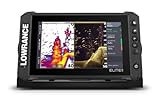
- READY-TO-FISH PERFORMANCE: Includes Active Imaging 3-in-1 transducer with CHIRP, SideScan, and DownScan with FishReveal sonar
- LIVE SONAR COMPATIBLE: See more and catch more with real time live sonar compatibility for ActiveTarget 2 XL
- FIND BETTER SPOTS FASTER: High-detail contour mapping reveals ledges, drop-offs, and key fishing areas
- CONNECTED BOAT CONTROL: Integrates with trolling motors and marine electronics for centralized control
- FAST, RESPONSIVE DISPLAY: Touchscreen interface makes it easy to adjust sonar and charts in changing conditions

- Premium Sonar Technology: MEGA Side Imaging+ with 200-foot range on each side; MEGA Down Imaging+ reaches 200-foot depths; Dual Spectrum CHIRP with wide and narrow modes for detailed fish detection
- Advanced GPS Navigation: Built-in GPS with Humminbird Basemap covering more than 10,000 lakes; includes LakeMaster and CoastMaster VX map card for US and Canada regions; compatible with Navionics charts
- Real-Time Mapping Features: AutoChart Live creates maps of depth contours, bottom hardness and vegetation while boating; eight hours of built-in recording time; compatible with AutoChart Zero Line SD cards
- Full HD Display: 1280 x 720 resolution 9-inch screen with dual control options; touchscreen interface and keypad controls for enhanced visibility and operation
- Connectivity & Compatibility: Equipped with high-speed Ethernet and Bluetooth; compatible with NMEA 2000 network; seamless integration with Minn Kota and Cannon products
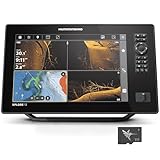
- Premium Sonar Technology: MEGA Side Imaging+ with 200-foot range on each side; MEGA Down Imaging+ with 200-foot depth coverage; Dual Spectrum CHIRP sonar for fish detection and structure clarity; Control Head Only model without transducer
- Advanced Navigation: Built-in GPS with enhanced Humminbird Basemap covering more than 10,000 lakes and coastal waters with terrain, markers, hazards, and marina locations; includes LakeMaster and CoastMaster VX map card for US and Canada regions
- AutoChart Live Technology: Create real-time maps of fishing spots; map depth contours, bottom hardness and vegetation; includes eight hours of built-in recording time
- Versatile Control Options: User-friendly 12-inch interface with touchscreen and keypad operation; Bluetooth connectivity for wireless anchor control and smartphone notifications
- One-Boat Network Integration: Compatible with Minn Kota trolling motors and Cannon products; high-speed Ethernet connectivity for multiple device connection; built-in NMEA 2000 networking

- Premium Sonar Technology: MEGA Side Imaging+ with 200-foot range on each side; MEGA Down Imaging+ reaches 200-foot depths; Dual Spectrum CHIRP with wide and narrow modes for detailed fish detection
- Advanced GPS Navigation: Built-in GPS with Humminbird Basemap covering more than 10,000 lakes; includes LakeMaster and CoastMaster VX map card for US and Canada regions; compatible with Navionics charts
- Real-Time Mapping Features: AutoChart Live creates maps of depth contours, bottom hardness and vegetation while boating; eight hours of built-in recording time; compatible with AutoChart Zero Line SD cards
- Full HD Display: 1280 x 720 resolution 10-inch screen with dual control options; touchscreen interface and keypad controls for enhanced visibility and operation
- Connectivity & Compatibility: Equipped with high-speed Ethernet and Bluetooth; compatible with NMEA 2000 network; seamless integration with Minn Kota and Cannon products

- MEGA Imaging Technology: Real-time sonar coverage with superior detail and clarity; includes Forward, Down, and Landscape viewing modes for complete underwater visibility
- Premium Fish Detection: Optimized sonar cone angle provides precise individual fish targeting while maintaining broad coverage area; features dynamic bait and lure tracking
- Advanced Navigation Features: Supports waypoint marking for favorite fishing spots; customizable color palettes for enhanced sonar clarity; compatible with optional GPS heading sensor
- Compatible Equipment: Works with XPLORE, APEX, and SOLIX G3 Humminbird models; connects directly to control head via included Ethernet cable without external sonar box to integrate seamlessly with your boat’s electronics
- Complete Installation Kit: Includes adjustable mounting bracket, 10-foot power cable, 20-foot Ethernet cable, mounting hardware; fits either side of trolling motor shaft

- MEGA Side & Down Imaging Technology: View fish, structures, and contours 125 feet on either side of your boat and 125 feet directly beneath your watercraft with 3x more detail than standard imaging sonar; Transducer included
- Dual Spectrum CHIRP Sonar: Delivers views of fish arches and fish-holding structure with two ways to search — Wide Mode for maximum coverage and Narrow Mode for detailed scanning; Precise 2D target separation powered by Low-Q transducer
- Enhanced GPS Navigation: Equipped with Humminbird Basemap, this chartplotter includes coverage of 10,000+ lakes and continental U.S. coastlines; Compatible with premium LakeMaster, CoastMaster, and Navionics charts
- Real-Time Mapping: AutoChart Live creates maps of depth contours, bottom hardness, and vegetation while boating with eight hours of built-in recording time; Compatible with AutoChart Zero Line SD cards for expanded mapping capacity
- Connectivity & Compatibility: Equipped with ethernet ports, Bluetooth, and built-in NMEA 2000 networking; Seamless integration with Minn Kota and Cannon products

- CHIRP Down Imaging: Filters out visual noise and clutter for a clear view beneath your boat; CHIRP Digital Sonar processing delivers detailed imaging to simplify fish finding
- Dual Spectrum CHIRP Sonar: Delivers views of fish arches and fish-holding structure with two ways to search — Wide Mode for maximum coverage and Narrow Mode for detailed scanning; Precise 2D target separation powered by Low-Q transducer
- Enhanced GPS Navigation: Equipped with Humminbird Basemap, this chartplotter includes coverage of 10,000+ lakes and continental U.S. coastlines; Compatible with premium LakeMaster, CoastMaster, and Navionics charts
- Real-Time Mapping: AutoChart Live creates maps of depth contours, bottom hardness, and vegetation while boating with eight hours of built-in recording time; Compatible with AutoChart Zero Line SD cards for expanded mapping capacity
- Reliable Keypad Control: User-friendly menu system operated by softkey controls allows reliable operation in any weather conditions; Access pre-loaded views and settings through intuitive button interface
Choosing Your Live Imaging Fish Finder: A Buyer’s Guide
A live imaging fish finder brings the underwater world right to your screen. It lets you see fish swimming in real-time, not just dots on a screen. This guide helps you pick the best one for your needs.
Key Features to Look For
Screen Brightness and Size
You need a clear picture, especially in bright sunlight. Look for a large, high-resolution screen. Bigger screens show more detail. Good screen brightness keeps the image sharp even when the sun shines directly on it.
Transducer Technology and Range
The transducer sends the sound waves underwater. Live imaging often uses CHIRP or similar high-frequency technology for detail. Check the maximum depth range. If you fish deep water, you need a finder that reaches those depths clearly.
Imaging Modes and Angles
The best units offer multiple views. You want Forward-Looking Imaging (FLI) to see what’s ahead. Some units also provide Down Imaging and traditional 2D sonar. Wider viewing angles let you scan more water at once.
GPS and Mapping Capabilities
Good GPS helps you mark fish spots precisely. Look for built-in maps or the ability to download detailed charts. Marking a waypoint lets you return to the exact spot later.
Durability and Waterproof Rating
Your gear gets wet! Ensure the unit has a solid, waterproof casing. An IPX rating (like IP67) tells you how protected it is against water and dust.
Important Materials and Build Quality
The housing of the fish finder matters a lot. High-impact, UV-resistant plastic protects the electronics inside. The screen glass should be scratch-resistant. The transducer cable must be thick and well-insulated to handle being dragged or stepped on.
Better internal components, like faster processors, reduce lag. This makes the live image smoother and more realistic.
Factors That Improve or Reduce Quality
What Makes It Better
- Higher Refresh Rate: A faster refresh rate means less delay between what happens underwater and what you see on the screen. This is crucial for tracking fast-moving fish.
- Advanced Software: Intuitive menus and easy-to-use controls make a huge difference in the field.
- Clear Sonar Separation: Quality units clearly separate the fish from the bottom structure, making identification easy.
What Lowers the Quality
- Poor Low-Light Performance: If the screen dims or colors wash out in shadows, it reduces usability.
- Slow Processing Speed: If the screen freezes or takes time to update when you move the boat, the live view becomes useless.
- Weak Transducer Cable: Thin or easily damaged cables often lead to signal loss or complete failure.
User Experience and Use Cases
Using a live imaging finder changes how you fish. Instead of guessing where fish are, you see them approach your bait. This is great for targeting specific structures like submerged trees or rock piles.
Kayak Anglers: They need compact, rugged units that handle constant movement. Battery life is very important for kayak users since charging options are limited.
Boat Fishermen: They benefit from larger screens and powerful networking capabilities to share data between multiple displays.
Beginners vs. Experts: Beginners should look for models with good auto-settings. Experts often prefer units that allow deep manual tuning of gain and range settings to fine-tune the image.
10 Frequently Asked Questions (FAQ) About Live Imaging Fish Finders
Q: What exactly is “live imaging” sonar?
A: Live imaging shows you a real-time video-like view of fish and structure directly in front of or below your boat. It is much clearer than traditional sonar dots.
Q: Do I need a special transducer for live imaging?
A: Yes, you need a transducer specifically designed for live imaging technology, like ActiveTarget or LiveSight. Standard 2D transducers will not work for this view.
Q: How much battery power does a live imaging unit use?
A: These units use significantly more power than basic finders because they are constantly processing complex images. Plan on using a deep-cycle marine battery or a large lithium battery.
Q: Can I use this finder in shallow water?
A: Most modern live imaging systems work well in shallow water. However, some older models might struggle to define the bottom clearly when the depth is less than 10 feet.
Q: Does live imaging work in muddy or stained water?
A: Yes, it works better than just seeing with your eyes! Sound waves travel through murky water. You will see the fish swimming, even if the water is brown.
Q: How far ahead can the live imaging see?
A: This varies by model. Most entry-level units see about 50 to 100 feet ahead. High-end models can sometimes reach farther, but clarity decreases with distance.
Q: Is the setup process difficult?
A: Mounting the transducer can require careful placement for the best view. However, connecting the screen unit to power and GPS is usually plug-and-play.
Q: What is the difference between Forward-Looking and Down-Looking live imaging?
A: Forward-looking shows you what is ahead of the boat. Down-looking shows you directly beneath the boat, often used while trolling or holding position.
Q: Will the unit work with my existing trolling motor?
A: Many live imaging transducers mount directly to a compatible trolling motor shaft, making installation easier and keeping the transducer stable.
Q: Are these fish finders expensive?
A: Live imaging technology is generally more expensive than traditional sonar units. You are paying for advanced processing power and specialized transducers.