
Want to know how to catch more crappie using a jig? Yes, you can catch more crappie with a jig by choosing the right jig, rigging it properly, and employing effective fishing techniques. This comprehensive guide will dive deep into everything you need to know to become a crappie jigging master.
Crappie fishing with jigs is a highly effective and enjoyable method for anglers of all skill levels. Jigs are incredibly versatile, mimicking a wide range of natural crappie food sources, from small baitfish to insects. Their subtle action and ability to present bait in a lifelike manner make them a top choice for targeting these prized panfish. This article will cover all aspects of crappie jig fishing, from selecting the perfect jig head to mastering advanced crappie jigging techniques.
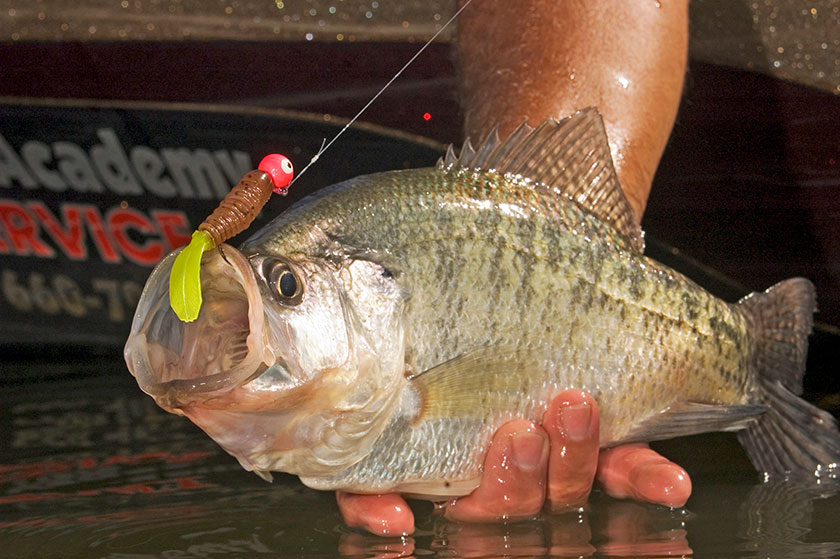
Image Source: content.osgnetworks.tv
The Basics of Crappie Jigging
Jigs are essentially weighted hooks with a dressing, often made of hair, feathers, or plastic. Their effectiveness lies in their ability to imitate the natural forage crappie feed on. By understanding how to present a jig, you can trigger aggressive strikes from crappie in various conditions.
What is a Crappie Jig?
A crappie jig is a fishing lure consisting of a weighted metal head, often shaped like a fish or a simple round ball, with a hook embedded in it. This hook is then adorned with various materials to mimic baitfish, crawfish, or other aquatic invertebrates that crappie eat. The weight of the jig head helps it sink to the desired depth, while the dressing provides the visual and action components that attract the fish.
Why Use Jigs for Crappie?
- Versatility: Jigs can be fished at virtually any depth, in any water condition, and with a multitude of retrieve styles.
- Natural Presentation: Properly dressed jigs can look remarkably like natural food sources.
- Triggering Strikes: The subtle wobble and fall of a jig can entice even the most finicky crappie to bite.
- Cost-Effective: Jigs are generally inexpensive, allowing you to experiment with different colors and styles without breaking the bank.
Selecting the Best Jig Heads for Crappie
The jig head is the foundation of your crappie jig. Its weight, shape, and hook size are crucial for success.
Jig Head Weights
The weight of your jig head dictates how quickly and to what depth your jig will sink.
- 1/32 oz to 1/16 oz: Ideal for shallow water crappie jigs. These lightweight jigs are perfect for very shallow areas, docks, lily pads, or when crappie are suspended just below the surface. They offer a slower, more natural fall, which can be irresistible.
- 1/8 oz to 1/4 oz: This is the most versatile range for crappie jigging. They work well in most conditions, allowing you to reach moderate depths and maintain contact with the bottom. These are excellent crappie jig fishing lures for general use.
- 3/8 oz to 1/2 oz: Use these heavier jigs for deep water crappie jigs. They are essential when fishing in deeper lakes, reservoirs, or areas with strong currents where you need your jig to reach the bottom quickly and stay there.
Jig Head Shapes
Different jig head shapes have specific advantages:
- Round Ball: The classic and most common shape. They offer a good all-around performance and are very versatile.
- Arkie/Bullet Head: These heads are designed to deflect off cover like rocks and wood, reducing snags. They are excellent for fishing around structure.
- Nose-Hook Head: Features a slightly forward-pointing hook, making it easier to rig baitfish or minnows nose-hooked for a more natural presentation.
- Tube Jig Head: Specifically designed to fit inside hollow-body tube baits, ensuring a secure rigging and a streamlined profile.
Hook Size
The hook size should match the size of your jig trailer or bait.
- #10 to #8: Best for very small plastics, marabou, or hair jigs when targeting smaller crappie.
- #6 to #4: The most common and versatile sizes, suitable for most 1-2 inch plastic trailers, as well as small minnows.
- #2: Use for larger plastics or when targeting larger crappie.
Table: Jig Head Selection Guide
| Condition | Recommended Weight | Common Head Shape | Hook Size | Best For |
|---|---|---|---|---|
| Very Shallow (0-3 ft) | 1/32 – 1/16 oz | Round Ball | #8 – #6 | Docks, lily pads, surface suspended |
| Mid-Depth (3-8 ft) | 1/8 – 1/4 oz | Round Ball, Arkie | #6 – #4 | General purpose, submerged structure |
| Deeper Water (8+ ft) | 3/8 – 1/2 oz | Arkie, Round Ball | #4 – #2 | Deep lakes, reservoirs, current |
| Fishing Cover | 1/8 – 1/4 oz | Arkie | #6 – #4 | Rocks, wood, brush piles |
Crappie Jig Colors: What Works Best?
Crappie can be attracted to a wide spectrum of colors, and the crappie jig colors you choose can significantly impact your success. It’s often a matter of matching the hatch or trying to provoke a reaction strike.
Understanding Color Selection
- Water Clarity:
- Clear Water: Opt for natural, subtle colors like white, silver, pearl, chartreuse, or pink. These mimic natural baitfish and are less likely to spook wary crappie.
- Stained/Murky Water: Brighter, bolder colors are often more effective. Chartreuse, pink, orange, yellow, and black can stand out and attract attention in low visibility. Glow-in-the-dark colors can also be very effective.
- Light Conditions:
- Bright Sunlight: Natural, translucent, or metallic colors often work best.
- Overcast/Cloudy: Brighter colors like chartreuse or pink can be advantageous.
- Low Light (Dawn/Dusk): Darker colors like black, purple, or blue can be effective, especially when paired with chartreuse or white accents.
Popular Crappie Jig Colors
- Chartreuse: A consistent producer, especially in stained water. It’s a bright, unnatural color that crappie often react to.
- White/Pearl: Excellent in clear water, mimicking baitfish or shad.
- Pink: Another high-visibility color that works well in various conditions.
- Black/Blue: A classic combination, particularly effective in low light or murky water. The blue can add a subtle flash.
- Yellow: A good all-around color that works in both clear and stained water.
- Orange: Can be effective when crappie are feeding on crawfish or in stained water.
- Tinsel/Metallic Accents: Adding glitter or metallic thread to your jig can create flash, mimicking scales and attracting attention.
Table: Crappie Jig Color Guide by Water Clarity
| Water Clarity | Best Colors | Accents/Tips |
|---|---|---|
| Clear | White, Pearl, Silver, Natural Shad, Pink, Chartreuse | Subtle glitter, natural patterns |
| Stained | Chartreuse, Pink, Orange, Yellow, Black | Bright, contrasting accents (e.g., chartreuse tail) |
| Murky | Chartreuse, Pink, Black, Purple, Glow Colors | High-visibility, fluorescent colors |
Crappie Jig Trailers and Baits
While a bare jig can catch crappie, adding a crappie jig trailer or crappie jig fishing bait significantly enhances its appeal.
Popular Crappie Jig Trailers
Trailers add action, scent, and bulk to your jig, making it more attractive to crappie.
- Plastic Grubs/Jelly Worms: These are extremely popular. They come in a vast array of shapes, sizes, and colors. Grubs with curly tails provide a lot of wobble and action, even at slow retrieve speeds.
- Tube Baits: Hollow-bodied tubes can be rigged to flare and kick enticingly. They are excellent for mimicking small baitfish or crawfish.
- Shads/Minnow Imitations: Soft plastic baits shaped like small shad or minnows are highly effective. Look for those with paddle tails or split tails that create subtle movement.
- Marabou Feathers: A few strands of marabou tied to the hook can provide excellent lifelike action as they breathe in the water. They are particularly good for slower presentations.
- Hair Jigs: Similar to marabou, jigs dressed with deer hair or other natural fibers offer a very natural, undulating action.
Live Bait Options
While jigs are often fished with artificials, live bait can also be used.
- Minnows: Small live minnows are perhaps the most classic crappie bait. Rigging a minnow on a jig head provides natural scent and lifelike movement that crappie can’t resist.
- Worms: Small pieces of earthworms or wax worms can also be added to a jig for extra scent and attraction.
How to Rig a Crappie Jig
Proper rigging is essential for a jig to perform at its best. Here’s how to rig a crappie jig for optimal action and hooksets.
Rigging Plastic Trailers
- Select Your Jig Head: Choose the appropriate weight and hook size.
- Insert the Hook: Slide the point of the hook into the nose of your plastic trailer.
- Center the Plastic: Ensure the plastic bait is centered on the hook shank.
- “Texas Rig” or “Straight Retrieve”: Push the plastic onto the hook until the hook eye is covered. Then, bring the hook point back out through the plastic about halfway down its body. This “weedless” rig helps prevent snags.
- “Doodling” or “Waggling”: For baits with tails, you can rig them slightly off-center to make the tail kick more erratically. Experiment to see what works best.
Rigging Hair or Marabou Jigs
- Slide Jig Head On: Slide the jig head onto your fishing line.
- Tie the Knot: Tie your preferred fishing knot (e.g., improved clinch knot) securely to the hook eye.
- Trim Excess Line: Trim any excess fishing line.
Rigging Live Bait
- Minnows:
- Nose Hooking: Gently insert the hook through the lips of the minnow or just behind the dorsal fin. This allows the minnow to swim more freely.
- Hooking Through: Hook the minnow through its back, closer to the head. This can be more secure but may restrict its movement.
- Worms: Thread a small piece of worm onto the hook, ensuring the hook point is exposed.
Table: Rigging Tips for Different Jig Types
| Jig Type | Rigging Method | Best For |
|---|---|---|
| Plastic Grub | Texas rig (weedless) or straight hook | Cover, vegetation, snaggy areas |
| Tube Bait | Thread onto hook, tenting tail upwards | Mimicking crawfish, versatile action |
| Marabou/Hair | Tie directly to hook, trim excess material | Lifelike action, subtle presentation |
| Minnow | Nose hook (preferred for swimming), through back | Natural scent and action, versatile depth |
Crappie Jigging Techniques
Mastering various crappie jigging techniques will help you adapt to different situations and increase your catch rate.
The Vertical Jigging Method
This is a common and effective technique, especially when you’ve located a school of crappie.
- Locate Crappie: Use your electronics (fish finder) to find schools of crappie, often suspended in the water column or around structure.
- Drop Your Jig: Lower your jig directly below the boat or your position until it reaches the desired depth where the fish are showing.
- Subtle Movement: Employ very small, up-and-down or side-to-side movements with your rod tip. The goal is to keep the jig in the strike zone with minimal horizontal travel.
- Pause and Suspend: Let the jig pause for a few seconds. Crappie often strike when the lure is stationary.
- Feel the Bite: Bites can be very subtle – a slight tap, a dead weight, or your line going slack. Set the hook with a quick, firm upward sweep of your rod.
The Casting and Retrieving Method
This is useful when crappie are spread out or you need to cover more water.
- Cast to Structure: Cast your jig towards docks, brush piles, fallen trees, or weed edges where crappie like to hide.
- Let it Sink: Allow the jig to sink to the desired depth. You can count down to help gauge depth.
- Slow, Steady Retrieve: Reel in the line with a slow, steady cadence.
- Add Jerks or Pauses: Incorporate occasional short twitches of your rod tip or short pauses in the retrieve to impart extra action. This can trigger strikes.
- Vary Your Speed: Experiment with different retrieve speeds to find what the crappie are responding to on that particular day.
Skipping Jigs Under Docks
Docks are prime crappie real estate. Skipping a jig under them is a highly effective technique.
- Target: Aim for the shadows and openings under the dock structure.
- The Skip: Cast the jig with a smooth, sidearm motion. Aim to have the jig hit the water and then skip across the surface before sinking into the target area.
- Gentle Retrieve: Once the jig is under the dock, reel it in slowly with subtle twitches.
Spider Rigging with Jigs
While often associated with minnows, you can also use jigs with spider rigging.
- Multiple Rods: Use multiple rods, each with a jig, fanned out from the boat.
- Slow Trolling: Slowly troll through productive areas, keeping your jigs just above the crappie.
- Jigged Action: Occasionally, you can give each rod a subtle jigging motion to add life to the bait.
Best Time to Crappie Fish with Jigs
The best time to crappie fish with jigs often corresponds with their feeding patterns.
Seasonal Patterns
- Spring (Pre-Spawn and Spawn): This is arguably the best time to catch big crappie. As water temperatures rise, crappie move into shallower waters to feed and spawn. Jigs in natural colors, white, or pink are excellent. Target creek channels, flats, and shallow cover.
- Summer: Crappie often move to deeper water, seeking cooler temperatures and finding refuge around submerged structure like brush piles, ledges, and channel swings. Deep water crappie jigs are essential here. Vertical jigging and casting to structure are key.
- Fall: As water temperatures begin to drop, crappie become very active feeders, preparing for winter. They move back into shallower areas, often following baitfish. This is another excellent time to use jigs with a variety of crappie jig colors. Target main lake points, humps, and transition areas.
- Winter: Crappie tend to school up in deeper water during winter. Finding these schools is crucial. Vertical jigging with smaller jigs and subtle presentations is often the most effective approach.
Time of Day
- Dawn and Dusk: These are prime feeding times for crappie. The low light conditions encourage them to move into shallower areas to feed.
- Overcast Days: Cloudy conditions can prolong feeding periods and make crappie more willing to move away from cover to strike a jig.
- Midday: Can still be productive, especially if you’re fishing deeper water or around heavy cover where crappie may seek shade.
Finding Crappie with Jigs
Locating crappie is half the battle. Jigs are excellent tools for this exploration.
Structure is Key
Crappie are structure-oriented fish. They relate to:
- Docks and Piers: Offer shade and cover.
- Fallen Trees and Brush Piles: Provide ambush points and attract baitfish.
- Submerged Humgs and Ledges: Offer transition zones and current breaks.
- Weed Beds: Especially in summer and fall.
Using Electronics
A fish finder or depth sounder is invaluable for crappie jig fishing.
- Identify Depth: Determine the water depth accurately.
- Locate Structure: Many fish finders can show submerged structure.
- Find Baitfish: Often, crappie will be near schools of baitfish.
- Mark Crappie Schools: Look for suspended fish or fish positioned around cover.
Targeted Jigging
Once you’ve located potential crappie holding areas, use your jig to probe them.
- Shallow Water Crappie Jigs: In areas with lily pads or shallow brush, use lighter jigs (1/32-1/16 oz) to gently present your lure.
- Deep Water Crappie Jigs: For deeper structure, use heavier jigs (1/4-1/2 oz) to get your bait down quickly and keep it there.
Tips for Catching More Crappie with Jigs
Here are some advanced tips to refine your crappie jigging game.
- Match the Hatch: Observe what baitfish or insects are present in the water. Try to match your jig color and size to the local forage.
- Subtle Action is Key: Crappie are often attracted to subtle movements. Overworking your jig can scare them. Focus on small twitches and pauses.
- Vary Your Retrieve: Don’t stick to just one retrieve. Experiment with slow, fast, jerky, and steady retrieves until you find what triggers a bite.
- Keep Your Line Tight: A tight line allows you to feel subtle bites. If your line goes slack, reel in a bit to regain tension.
- Use Scent: Adding a drop of crappie attractant to your jig can increase bites, especially for finicky fish.
- Change Jigs Frequently: If you’re not getting bites, try a different jig color, size, or trailer. Crappie can be particular.
- Fish Vertically: When you find a school, drop your jig straight down to them. This is often more effective than casting.
- Experiment with Trailers: Different plastic trailers offer different actions. A curly tail will move more than a straight tail. Try them all!
- The “Dead Stick”: Sometimes, the best action is no action. Cast your jig out, let it sink, and then let it sit perfectly still. Many strikes occur during these pauses.
Frequently Asked Questions (FAQ)
Q: What is the best time of day to fish for crappie with jigs?
A: The best times are typically dawn and dusk, as well as overcast days. However, crappie can be caught throughout the day, especially in deeper water or around heavy cover during summer.
Q: Can I use live bait on a crappie jig?
A: Yes, you absolutely can! Adding a small minnow or a piece of worm to your jig can significantly increase its effectiveness by adding scent and natural action.
Q: How deep should I fish for crappie with jigs?
A: The depth depends entirely on the season, water temperature, and crappie location. In spring, they may be in 1-5 feet of water. In summer, they might be in 15-30 feet or deeper around structure. Fall and winter often see them in transitional depths.
Q: What is the most important factor for crappie jig fishing success?
A: Locating the crappie is arguably the most important factor. Once you find them, using the right jig presentation and color to match their mood will lead to more bites.
Q: How do I know if I have the right crappie jig color?
A: Observe your surroundings. If the water is clear and you see small baitfish, opt for natural colors. If the water is stained, try brighter, bolder colors like chartreuse or pink. Experimentation is key; if one color isn’t working, switch to another.
Q: What is the difference between shallow water crappie jigs and deep water crappie jigs?
A: The primary difference is weight. Shallow water crappie jigs are lighter (1/32-1/16 oz) to allow for a slower fall in shallower areas. Deep water crappie jigs are heavier (1/4-1/2 oz) to sink quickly to deeper depths and maintain contact with the bottom.
Q: Is it better to use a jig with a trailer or without?
A: While you can catch crappie on a bare jig, a trailer generally enhances its appeal by adding action, bulk, and sometimes scent. Experiment to see if the crappie prefer your jig with or without a trailer on any given day.
By mastering the selection, rigging, and techniques discussed in this guide, you’ll be well on your way to catching more crappie with jigs. Happy fishing!