
Can you fish with a worm? Yes, you can absolutely fish with a worm! Worms are one of the most effective and widely used baits for catching a variety of fish, especially in freshwater environments. They are a favorite among beginners and experienced anglers alike due to their natural appeal to fish and ease of use.
Fishing with worms is a classic method that has been bringing smiles to faces for generations. It’s simple, effective, and a fantastic way to connect with nature. Whether you’re a brand-new angler or just looking to refresh your skills, this guide will walk you through everything you need to know to successfully fish with a worm. We’ll cover selecting the right worm, baiting a hook properly, choosing the right worm rigs, and some essential freshwater fishing tips to help you catch more fish. Forget those fancy fishing lures for a moment; sometimes, the most basic bait is the best bait for fishing.
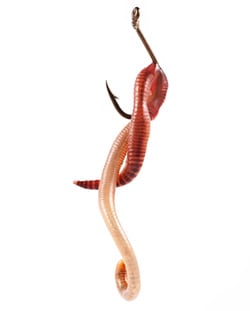
Image Source: unclejimswormfarm.com
Choosing Your Worm: The Best Bait for Fishing
Not all worms are created equal when it comes to fishing. Different types of worms have different scents, textures, and movements that attract various fish species. Selecting the best bait for fishing is your first step to a successful outing.
Popular Worm Choices for Anglers
- Earthworms (Nightcrawlers): These are the superstars of the worm fishing world. Nightcrawlers are large, hardy, and have a strong scent that travels well in the water, attracting a wide range of fish like bass, trout, walleye, and catfish. Their size also makes them ideal for larger predatory fish.
- Red Wigglers: Smaller than nightcrawlers, red wigglers are lively and wiggle enthusiastically on the hook. They are excellent for smaller panfish like bluegill, perch, and crappie. Their smaller size is perfect for lighter tackle and smaller mouths.
- Mealworms: Technically larvae, mealworms are a favorite of many small fish. They are easy to find and keep, making them a convenient choice for beginners. They work well for trout, panfish, and even some smaller bass.
- Waxworms: Similar to mealworms, waxworms are the larvae of wax moths. They are soft, oily, and have a sweet scent that many fish find irresistible, especially trout and panfish. They are also a good choice for ice fishing.
Where to Get Your Worms
You have a few options for acquiring your bait:
- Bait Shops: The most convenient option. Bait shops sell a variety of live baits, including the freshest and most robust worms.
- Grocery Stores: Some grocery stores, particularly those with large produce sections, might carry red wigglers for composting.
- Digging Your Own: In areas where it’s permitted and safe, you can dig for your own earthworms. Look in moist, shady spots in your yard or garden after a rain. Be sure to identify the soil and avoid areas treated with pesticides.
Mastering the Art of Baiting a Hook
This is a crucial skill for any angler. Proper baiting a hook ensures your worm stays on and presents itself naturally to the fish. A poorly baited hook can lead to your bait falling off before a fish even has a chance to bite.
Step-by-Step Guide to Baiting a Hook with a Worm
- Select Your Worm: Choose a lively, healthy-looking worm.
- Thread the Worm: Take your hook and gently pierce the worm about one-third of the way up from its tail.
- Slide the Worm: Slide the worm up the shank of the hook, covering the barb. You want about half to two-thirds of the worm to hang freely.
- Wiggle Power: For larger worms like nightcrawlers, you can thread them onto the hook multiple times, folding them back on themselves. This creates a more robust bait that can withstand aggressive bites and presents a larger, more appealing target.
- Don’t Overkill: Avoid stuffing too much worm onto the hook, as this can hinder its natural movement and make it harder for the fish to get the hook into its mouth. You want some of the worm to still wiggle freely.
- Multiple Worms: For bigger fish, you might use two smaller worms or one large nightcrawler. Thread them through the middle section, allowing both ends to wiggle.
Pro Tips for Baiting
- Keep Worms Moist: Keep your worms in a breathable container with some damp bedding (like peat moss or a paper towel) to keep them alive and healthy until you need them.
- Handle Gently: Handle worms with care to avoid damaging them. Live, active worms are much more effective.
- Hook Placement: Aim to go through the worm’s “collar,” a slightly darker band, as this is a good balance point and the worm is less likely to be injured.
Essential Worm Rigs for Different Fishing Situations
Worm rigs are the setups you use to present your worm to the fish. The right rig can make all the difference in how your bait behaves in the water and how effectively you can present it. These are simple yet incredibly effective ways to catch fish.
Simple Worm Rigs Explained
-
The Split Shot Rig: This is one of the simplest and most versatile rigs.
- Components: Fishing line, a small split shot sinker, and a hook.
- How to Assemble: Tie your hook to the end of your fishing line using a reliable fishing knot (like the Improved Clinch Knot). Then, crimp a small split shot sinker onto the line about 6-18 inches above the hook.
- How it Works: The sinker keeps your bait near the bottom, while the offset allows the worm to drift and wiggle naturally. It’s great for covering water and finding fish.
-
The Texas Rig: This is a very popular rig for bass fishing but works for other species too, especially when you want to avoid snags.
- Components: Worm, worm hook (usually a worm-specific offset hook), and a bullet-shaped sinker.
- How to Assemble: Thread the bullet sinker onto your fishing line. Then, thread your worm onto the offset hook, burying the point of the hook into the worm’s body.
- How it Works: The weight is in front of the bait, and the hook is hidden. This makes it weedless, meaning it’s less likely to get caught on submerged vegetation or other underwater obstacles.
-
The Carolina Rig: Similar to the Texas Rig, but with a slightly different presentation.
- Components: Fishing line, worm hook, worm, bullet sinker, and a swivel.
- How to Assemble: Tie your line to one end of a swivel. Tie a leader line (about 18-36 inches) to the other end of the swivel. Tie your hook to the end of the leader line. Thread your bullet sinker onto the main line above the swivel. Then, thread your worm onto the hook.
- How it Works: The weight is separated from the bait by a leader, allowing the worm to drift and float more freely, mimicking natural prey.
Choosing the Right Fishing Knots
A strong fishing knot is essential to keep your bait securely attached and to ensure you don’t lose your catch due to a knot failure. Here are a couple of essential knots for worm fishing:
Key Fishing Knots to Learn
-
The Improved Clinch Knot: This is a go-to knot for tying your hook or swivel to your line. It’s strong and relatively easy to learn.
- Pass the tag end of your line through the eye of the hook or swivel.
- Wrap the tag end around the standing line 5-7 times.
- Pass the tag end back through the small loop closest to the eye of the hook.
- Pass the tag end through the large loop you just created.
- Moisten the knot with saliva or water and pull both the tag end and standing line to tighten. Trim the excess tag end.
-
The Palomar Knot: This knot is known for its strength and is often recommended for braided lines.
- Double your fishing line to create a loop.
- Pass the loop through the eye of the hook or swivel.
- Tie a simple overhand knot with the doubled line, leaving the hook dangling through the loop.
- Pass the entire loop over the hook.
- Pull both the tag end and standing line to tighten. Trim the excess tag end.
The Art of Casting and Presenting Your Worm
Once your hook is baited and your rig is ready, it’s time to get your bait into the water. Effective casting and presentation are key to how to catch fish.
Casting Techniques for Beginners
-
Spinning Reel Casting:
- Open the bail of your spinning reel.
- Hold the line against the rod with your index finger.
- Swing the rod back over your shoulder.
- As you bring the rod forward, release your index finger from the line at the desired point.
- Follow through with your cast, aiming for your target.
- Close the bail and reel in any slack.
-
Baitcasting Reel Casting (more advanced): This requires practice to avoid “backlash” (a messy tangle of line).
- Hold the rod with the reel on top.
- Release the thumb bar to let the lure drop slightly.
- Control the spool with your thumb.
- Swing the rod back and then forward, releasing your thumb pressure as you cast.
Presenting Your Worm for Maximum Appeal
- Drifting: If you’re fishing in a current, cast your bait upstream and let it drift naturally with the current. This mimics an injured or naturally dislodged worm.
- Steady Retrieve: For a more active presentation, cast your bait and reel it in slowly and steadily. This can attract curious fish.
- Staging: Once your bait is in the water, let it sit for a moment. Many fish are attracted to the disturbance of the bait entering the water and will approach.
- Jigging: You can gently lift and drop your rod tip to make the worm jiggle and move erratically, mimicking distress signals that entice fish to strike.
Understanding Fish Behavior and Where to Find Them
Knowing where fish like to hang out is as important as knowing how to present your bait. This beginner fishing advice will help you target the right spots.
Common Fish Habitats
- Weed Beds: Many fish, especially bass and panfish, hide in or near weed beds to ambush prey and find shelter.
- Structure: Logs, rocks, fallen trees, and docks provide cover and attract baitfish, which in turn attract larger predatory fish.
- Drop-offs: Areas where the water depth changes suddenly can hold fish as they move between shallower feeding grounds and deeper resting areas.
- Current Seams: Where fast and slow-moving water meet, you’ll often find fish waiting for food to drift by.
When Do Fish Bite?
- Early Morning and Late Evening: These are prime times as fish are often more active when the sun is lower.
- Cloudy Days: Overcast conditions can keep fish active throughout the day.
- After Rain: Rain can stir up insects and worms, bringing food sources into the water and making fish more likely to feed.
What to Do When You Get a Bite
The moment you feel a tug on your line, it’s time for action!
Setting the Hook and Fighting the Fish
- Feel the Bite: You’ll typically feel a distinct tap, a series of taps, or a steady pull.
- Wait for the Hookset: For worm fishing, it’s often best to wait for the fish to take the bait fully. Don’t yank too hard immediately; give the fish a second or two to get the hook in its mouth.
- The Hookset: Once you feel the fish has the bait, give a firm, upward jerk of your rod to set the hook.
- Reel In: Keep steady pressure on the line. If the fish runs, let it run a bit; don’t try to muscle it in too quickly.
- Land the Fish: Bring the fish to the shore or boat, and use a net if necessary.
Other Considerations for Successful Worm Fishing
While worms are fantastic, a few other things can enhance your success.
Live Bait Fishing vs. Fishing Lures
Live bait fishing, especially with worms, often outfishes artificial fishing lures because it provides a natural scent and movement that is hard for many fish to resist. Lures mimic prey, but a live worm is the real deal. However, lures can be useful for covering large areas quickly or in situations where live bait is difficult to obtain or keep.
What About Different Tackle?
Your tackle—the rod, reel, and line—should be appropriate for the size of the fish you’re targeting. For most worm fishing in freshwater, a medium-light to medium action rod with a spinning reel is ideal. 6-10 pound test monofilament or fluorocarbon line is generally sufficient.
Frequently Asked Questions (FAQ) about Worm Fishing
Q1: How many worms should I put on a hook?
A1: For most panfish and smaller trout, one good-sized worm is enough. For larger fish like bass or catfish, you might use two worms or one large nightcrawler, threading it multiple times to create a more substantial bait.
Q2: What’s the best time of day to fish with worms?
A2: Early morning and late evening are generally the most productive times. However, worms can be effective throughout the day, especially on cloudy or overcast days.
Q3: Do I need a sinker when fishing with worms?
A3: It depends on the conditions. If you’re fishing in still water or very shallow areas, you might not need a sinker. In rivers with current or deeper water, a sinker helps get your bait to the bottom and keeps it there.
Q4: Can I use artificial worms?
A4: Yes, artificial worms are very popular, especially for bass fishing with Texas rigs. They are durable and come in many colors and sizes. However, for a natural presentation and scent, live worms are often preferred by many anglers.
Q5: How do I keep my worms fresh?
A5: Store your worms in a breathable container with moist bedding like peat moss, shredded newspaper, or soil. Keep them in a cool, dark place. Avoid direct sunlight or extreme temperatures.
Fishing with worms is a rewarding and simple way to enjoy the outdoors and catch fish. With a little practice in baiting a hook and understanding the basics of worm fishing techniques, you’ll be well on your way to reeling in your next catch! Enjoy your fishing adventures!