
So, you’ve got some delicious smoked fish, and you’re wondering, “How long will smoked fish last in the fridge?” Generally, properly stored smoked fish can last from a few days to several weeks, depending on its type, how it was prepared, and its packaging. This guide will dive deep into the world of smoked fish and its refrigerator lifespan, ensuring you enjoy its unique flavor safely.
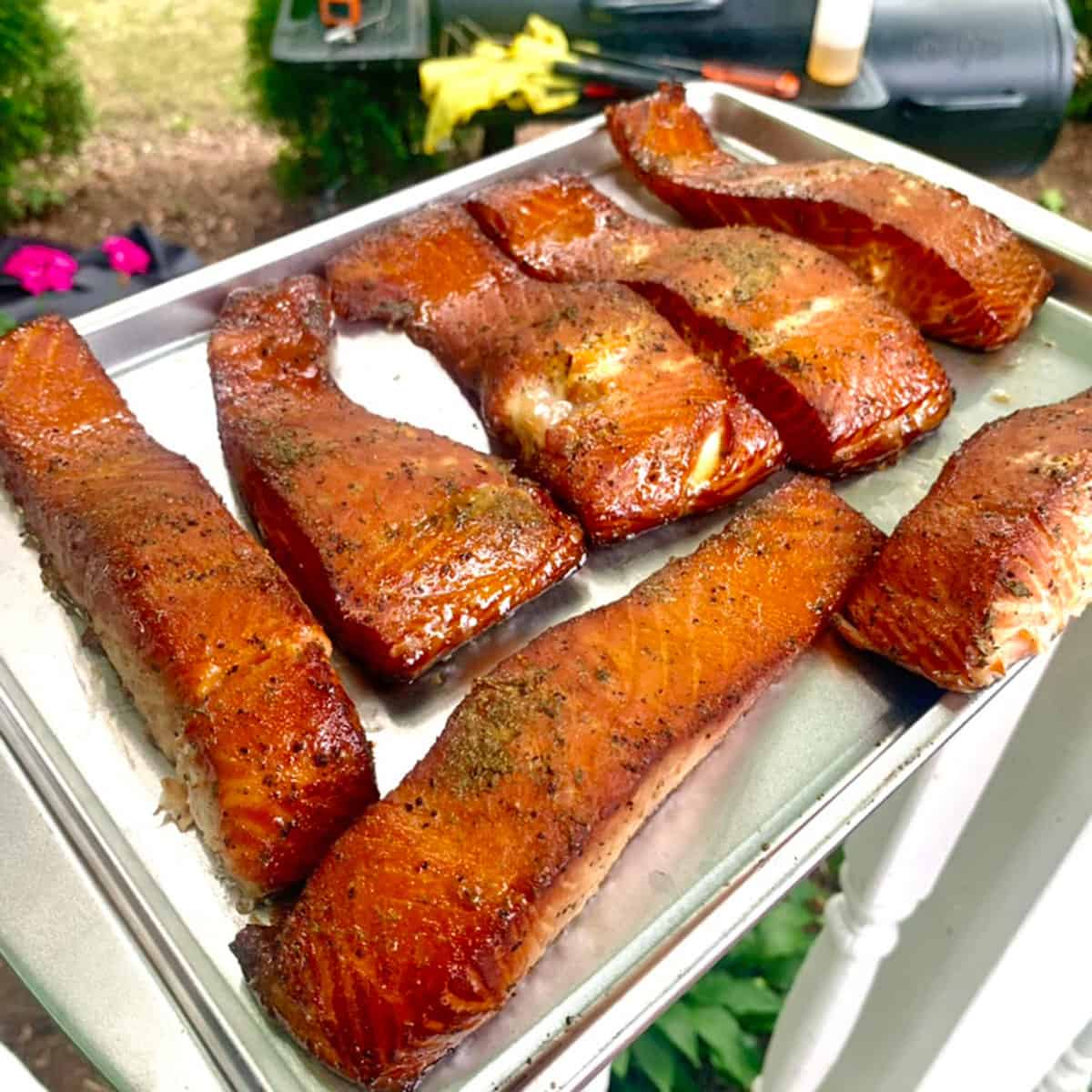
Image Source: www.plattertalk.com
Keeping Smoked Fish Fresh: The Essentials
Keeping smoked fish fresh in the refrigerator is all about understanding a few key factors. Smoked fish, whether it’s flaky smoked salmon or a firm smoked mackerel, requires careful handling to maintain its quality and safety. The smoking process itself is a form of preservation, but it doesn’t make the fish immortal. Refrigeration is crucial for slowing down the growth of any remaining bacteria.
Factors Affecting Refrigerated Smoked Fish Duration
Several elements play a significant role in how long your smoked fish will stay good in the fridge. These aren’t just suggestions; they’re vital for preventing spoilage and ensuring you don’t end up with a food safety issue.
Type of Smoking Process
The way the fish was smoked makes a big difference.
- Hot Smoked Fish: This method cooks the fish during the smoking process. It tends to have a shorter shelf life because the cooking process doesn’t eliminate all bacteria. Think of hot-smoked salmon or kippers.
- Cold Smoked Fish: This process involves smoking at lower temperatures, which cures the fish but doesn’t cook it through. Cold-smoked fish, like many types of smoked salmon, has a slightly longer potential fridge life but requires even more careful storage.
Salt Content
Salt is a natural preservative. Fish with a higher salt content will generally last longer in the fridge than those with lower salt levels. The salt draws out moisture, making it harder for bacteria to thrive.
Packaging
How your smoked fish is packaged is a game-changer for its smoked fish preservation fridge capabilities.
- Vacuum-Sealed: This is the gold standard. Removing air significantly reduces spoilage by limiting oxygen exposure. Vacuum-sealed smoked fish will last the longest.
- Airtight Containers: Good quality, airtight containers also help. They prevent the fish from drying out and block out odors from other fridge items.
- Original Packaging: If it’s well-sealed from the store, it’s usually a good start, but consider transferring to a more secure container once opened.
Handling and Temperature
The temperature of your refrigerator and how the fish is handled before it even gets there are critical.
- Consistent Cold: Your fridge should maintain a temperature of 40°F (4°C) or below. Fluctuations can accelerate spoilage.
- Cleanliness: Always use clean hands and utensils when handling smoked fish to avoid introducing new bacteria.
Smoked Fish Shelf Life Fridge: Specific Types and Timelines
Let’s get down to the nitty-gritty for different types of smoked fish. Knowing the typical smoked salmon shelf life fridge or the smoked mackerel expiry date will help you plan your meals.
Smoked Salmon Shelf Life Fridge
Smoked salmon is a popular choice, and its refrigerated smoked fish duration can vary.
- Cold-Smoked Salmon:
- Unopened, vacuum-sealed: Can last from 2 to 4 weeks when kept properly refrigerated. Check the “best by” date.
- Opened, vacuum-sealed: Once opened, aim to consume it within 3 to 5 days.
- Pre-sliced, non-vacuum sealed: This is more perishable. Try to eat it within 1 to 2 days of opening.
- Hot-Smoked Salmon:
- Unopened: Can last up to 2 weeks if vacuum-sealed and refrigerated.
- Opened: It’s best to consume hot-smoked salmon within 3 to 4 days. Because it’s cooked, it’s slightly more robust than cold-smoked, but still needs prompt attention once opened.
Smoked Mackerel Expiry
Smoked mackerel is another delicious option, and its robust flavor often means it’s cured a bit more.
- Hot-Smoked Mackerel:
- Unopened, vacuum-sealed: Typically lasts 10 to 14 days when refrigerated.
- Opened: Consume within 3 to 5 days.
- Cold-Smoked Mackerel: While less common than hot-smoked, if you find cold-smoked mackerel, treat it similarly to cold-smoked salmon, aiming for consumption within 3-5 days of opening.
Smoked Herring: How Long Does It Last?
Smoked herring is a smaller, oilier fish, and its refrigerated smoked fish duration is generally a bit shorter.
- Hot-Smoked Herring:
- Unopened, vacuum-sealed: Often has a shelf life of about 7 to 10 days refrigerated.
- Opened: It’s best to eat within 2 to 3 days.
- Cold-Smoked Herring: Similar to other cold-smoked fish, aim for 3 to 5 days after opening.
Other Smoked Fish
- Smoked Trout: Treat it similarly to smoked salmon, with opened portions lasting about 3-5 days.
- Smoked Eel: This rich, oily fish can last about 3-4 days once opened and properly stored.
Storing Smoked Fish: Best Practices for Maximum Freshness
Storing smoked fish correctly is your primary defense against smoked fish spoilage. Simple steps can make a significant difference in keeping your smoked fish fresh and tasty.
The Golden Rules of Refrigeration
- Keep it Cold: Always store smoked fish in the coldest part of your refrigerator, usually the back of the bottom shelf. Avoid the door, where temperatures fluctuate.
- Airtight is Key: If the fish isn’t vacuum-sealed, transfer it to an airtight container. You can also wrap it tightly in plastic wrap and then place it in a resealable bag.
- Avoid Cross-Contamination: Store smoked fish away from raw meats and dairy products to prevent the transfer of bacteria.
- Do Not Freeze Unless Specified: While some smoked fish can be frozen, it can affect the texture. If freezing is an option, check the packaging instructions. For fridge storage, we’re focusing on keeping it fresh in its original chilled state.
Homemade Smoked Fish Storage
If you’re venturing into homemade smoked fish storage, here are some tips to ensure your hard work pays off:
- Cool Down Properly: After smoking, allow the fish to cool completely before refrigerating. Placing hot fish in the fridge can raise the internal temperature, promoting bacterial growth.
- Portion Control: It’s often best to portion your smoked fish before refrigerating. This way, you only open what you need, extending the life of the remaining portions.
- Wrap it Well: Similar to store-bought, wrap individual portions tightly in plastic wrap or place them in small airtight containers.
- Label and Date: Clearly label each portion with the date it was smoked or opened. This helps you track its freshness.
Identifying Smoked Fish Spoilage: Signs to Watch For
Knowing when smoked fish has gone bad is crucial. Don’t rely solely on dates; use your senses to detect smoked fish spoilage.
Visual Cues
- Discoloration: While smoked fish has a distinct color, any unusual mold growth (green, white, or fuzzy patches) is a clear sign of spoilage. A slimy appearance on the surface is also a red flag.
- Dryness or Brittleness: While some drying can occur over time, extreme dryness or a brittle texture might indicate it’s past its prime.
Olfactory Clues (Smell)
This is often the most telling indicator.
- Sour or Rancid Smell: Fresh smoked fish has a pleasant, smoky aroma. If it smells sour, like ammonia, or generally “off,” it’s likely spoiled. Trust your nose!
Gustatory Clues (Taste)
If you’re unsure, a tiny taste can be a final check.
- Off-Flavor: If it tastes sour, bitter, or just wrong, spit it out immediately and discard the rest.
Best Before Smoked Fish: What Does It Mean?
The term “best before smoked fish” is about quality, not safety.
- Best Before Dates: These indicate when the product is expected to be at its peak quality. The fish may still be safe to eat after this date, but its flavor or texture might have diminished.
- Use By Dates: For perishable foods like smoked fish, you might also see “use by” dates. These are more about safety, and you should strictly adhere to them.
When in doubt, err on the side of caution. If your smoked fish is past its “best before” date and shows any signs of spoilage, it’s best to throw it away.
Smoked Fish Preservation Fridge: Extending Life Safely
The goal of smoked fish preservation fridge techniques is to maximize refrigerated smoked fish duration without compromising safety.
The Role of Vacuum Sealing
Vacuum sealing is incredibly effective for storing smoked fish. By removing oxygen, it dramatically slows down oxidation and inhibits the growth of aerobic bacteria. For homemade smoked fish, an investment in a vacuum sealer can significantly extend its fridge life.
Temperature Control is Paramount
Maintaining a consistent cold temperature is non-negotiable. Even a few degrees can make a difference. Regularly check your refrigerator’s temperature with a thermometer.
Understanding Shelf Life Variations
It’s important to remember that the timelines provided are general guidelines. Factors like the initial freshness of the fish, the specific smoking process used, and even the humidity in your fridge can influence how long it lasts.
When to Discard Smoked Fish
When should you say goodbye to your smoked fish? If any of the following apply, it’s time to toss it:
- It has passed its “use by” date.
- It exhibits any signs of smoked fish spoilage (mold, slime, off-smell).
- It has been left out at room temperature for more than two hours.
- You are uncertain about its safety.
Frequently Asked Questions About Smoked Fish Fridge Life
Here are some common questions people have about keeping smoked fish fresh in the fridge.
Q1: Can I leave smoked fish out of the fridge for a while?
A1: No, you should not leave smoked fish out of the fridge for extended periods. Like most perishable foods, it should be refrigerated promptly. If it’s been out for more than two hours (or one hour if the ambient temperature is above 90°F or 32°C), it’s best to discard it to avoid the risk of foodborne illness.
Q2: How do I know if my smoked fish has gone bad?
A2: You can tell if smoked fish has gone bad by looking for signs of spoilage like mold, slime, or discoloration. The most reliable indicator is smell; if it smells sour, rancid, or ammoniac-like, it’s likely spoiled. A strange or unpleasant taste is also a clear sign.
Q3: Does freezing smoked fish affect its quality?
A3: Yes, freezing smoked fish can affect its texture. The delicate flaky structure can become somewhat mushy or watery upon thawing. However, for many, the slight change in texture is acceptable in exchange for longer storage. If you freeze it, wrap it very tightly to prevent freezer burn.
Q4: What is the difference between cold-smoked and hot-smoked fish shelf life?
A4: Cold-smoked fish generally has a slightly longer shelf life in the fridge than hot-smoked fish because the smoking process is lower temperature and more akin to curing. However, both types are still perishable and require proper refrigeration. Hot-smoked fish is cooked during the process, which can make it seem more robust, but it still needs careful handling once opened.
Q5: Is it safe to eat smoked fish past its “best before” date?
A5: It can be, but it depends. A “best before” date relates to quality, not safety. If the fish is still within its “use by” date (if applicable), has been stored correctly, and shows no signs of spoilage, it might still be safe to eat. However, its flavor and texture may not be at their peak. Always use your senses – if in doubt, throw it out.
Q6: How long does vacuum-sealed smoked fish last in the fridge?
A6: Unopened, vacuum-sealed smoked fish can last a considerable time, often between 2 to 4 weeks, depending on the type of fish and whether it was cold or hot smoked. Always check the “best by” or “use by” date on the package for specific guidance.
By following these guidelines for storing smoked fish and being mindful of its refrigerated smoked fish duration, you can confidently enjoy your smoked delicacies while ensuring your safety. Remember, when it comes to food safety, it’s always better to be safe than sorry.