
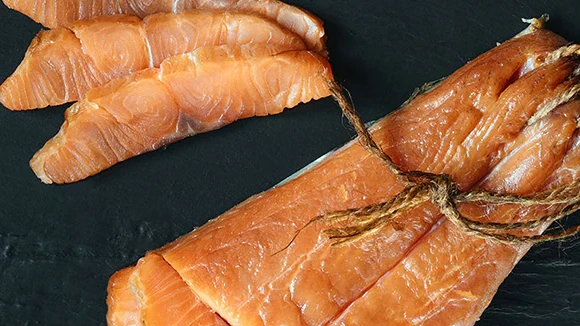
Image Source: images.getrecipekit.com
How Do You Cold Smoke Fish? Easy Guide
Cold smoking fish creates a unique, delicate flavor and texture that’s different from hot smoking. Can you cold smoke fish at home? Yes, absolutely! This guide will walk you through how to cold smoke fish, from preparation to safety.
What is Cold Smoking?
Cold smoking is a preservation and flavoring technique where fish is exposed to smoke at low temperatures, typically between 70°F and 90°F (21°C and 32°C). Unlike hot smoking, which cooks the fish, cold smoking primarily imparts flavor and helps cure the fish. This is key for achieving that characteristic silky texture and rich taste, especially when talking about cold smoking salmon.
Why Cold Smoke Fish?
There are several compelling reasons to try cold smoking fish:
- Flavor: It adds a distinct smoky, savory, and often slightly sweet flavor that’s irresistible.
- Texture: Cold smoked fish develops a tender, almost buttery texture that’s different from cooked fish.
- Preservation: Historically, smoking was a way to preserve fish. While modern refrigeration reduces the need for this, the process still contributes to a longer shelf life by drying the fish and inhibiting bacterial growth.
- Versatility: Cold smoked fish can be used in countless dishes, from appetizers to main courses.
Getting Started: Essential Cold Smoking Equipment
Before you can start cold smoking fish, you need the right gear. Don’t worry, you don’t need to invest in a massive professional smoker right away.
Cold Smoking Equipment Options:
- Smoker:
- Dedicated Cold Smoker: These are specifically designed to keep the smoke away from the heat source. They often consist of a smoke generation box and a separate smoking chamber connected by a tube.
- Adaptable Grill or Smoker: Many kettle grills, offset smokers, or even pellet grills can be adapted for cold smoking. This usually involves using a cold smoke attachment or a separate device to generate smoke.
- DIY Setups: With a bit of ingenuity, you can create your own cold smoker using common items like old trash cans, cardboard boxes, or PVC piping, but this requires careful attention to safety and temperature control.
- Smoke Generator: This is what produces the smoke.
- Smoker Tube: A popular choice for home smokers, these metal tubes are filled with wood pellets or dust and ignited at one end. They produce smoke for hours at low temperatures.
- Maze Smoker: Similar to a tube, but with a maze-like design that burns more slowly and consistently.
- Amazen Smoker: A brand of maze-style smoke generator.
- Electric Fry Pan or Hot Plate: For DIY setups, a controlled heat source can be used to smolder wood chips or dust, but maintaining low temperatures is crucial.
- Wood Chips or Pellets: The type of wood you use will significantly impact the flavor.
- Drip Pan: To catch any moisture or drippings.
- Thermometer: Essential for monitoring the cold smoking fish temperature. An accurate digital thermometer or a smoker thermometer is vital.
- Racks or Hooks: To hold the fish during the smoking process.
- Curing Ingredients: Salt, sugar, and sometimes spices for brining.
The Cold Smoking Process: Step-by-Step
How to cold smoke involves several key stages. Each step is important for a successful outcome.
1. Selecting Your Fish
For cold smoking salmon, fillets are the most popular choice due to their fat content and flavor. However, many other fish work well:
- Fatty Fish: Salmon, Mackerel, Trout, Herring, Sablefish (Black Cod)
- Leaner Fish: Cod, Halibut (though these benefit from added fat or a richer brine)
Choose fresh, high-quality fish. Avoid fish that looks dull, has a strong “fishy” odor, or is slimy.
2. Brining: The Crucial First Step
Cold smoking brining is essential for several reasons:
- Flavor Infusion: It seasons the fish deeply.
- Moisture Control: It helps the fish retain moisture during the smoking process.
- Preservation: Salt draws out moisture, which helps cure the fish and inhibit bacterial growth.
Types of Brines:
-
Wet Brine: A solution of salt, sugar, water, and optional seasonings.
- Basic Wet Brine Ratio:
- 1 gallon (3.8 liters) cold water
- 1 cup (240g) kosher salt
- ½ cup (100g) sugar (white or brown)
- Optional Additions: Dill, black peppercorns, bay leaves, garlic, juniper berries, lemon zest.
- Basic Wet Brine Ratio:
-
Dry Brine: A mixture of salt, sugar, and seasonings that is rubbed directly onto the fish. This method draws out more moisture, resulting in a firmer texture.
- Basic Dry Brine Ratio:
- 1 part kosher salt to 2 parts sugar (by volume or weight)
- Add desired seasonings.
- Basic Dry Brine Ratio:
How to Brine:
- Prepare the Brine:
- Wet Brine: Dissolve salt and sugar in water. Some recipes call for boiling the brine first to dissolve ingredients and then cooling it completely before adding the fish.
- Dry Brine: Mix salt, sugar, and any other seasonings thoroughly.
- Prepare the Fish:
- Rinse the fish under cold water and pat it completely dry.
- Remove any pin bones. For fillets, ensure the skin is on, as it helps hold the fish together.
- Brine the Fish:
- Wet Brine: Submerge the fish completely in the cooled brine. Ensure the fish is fully covered.
- Dry Brine: Generously coat all surfaces of the fish with the dry brine mixture, ensuring even coverage.
- Refrigerate:
- Place the brined fish in a sealed container or a ziplock bag in the refrigerator.
- Brining Time:
- Thin Fillets (e.g., Trout): 4-8 hours
- Medium Fillets (e.g., Salmon): 8-16 hours
- Thicker Cuts: 12-24 hours
- Note: Over-brining can make the fish too salty. Taste a small piece after the recommended time if unsure.
3. Rinsing and Drying (The Pellicle Formation)
This is a critical step for achieving the right texture and preventing the smoke from being too harsh.
- Rinse: After brining, thoroughly rinse the fish under cold running water to remove excess salt and sugar.
- Pat Dry: Use paper towels to pat the fish as dry as possible.
- Form the Pellicle:
- Place the rinsed and dried fish on a rack in a clean, dry, and well-ventilated area (like the refrigerator or a cool, breezy spot outdoors).
- Allow the fish to air dry for 1-4 hours, or until a sticky, shiny surface called a “pellicle” forms. This pellicle helps the smoke adhere to the fish and prevents it from drying out too much during smoking.
4. Smoking the Fish
Now comes the part where the magic happens.
Setting Up for Cold Smoking:
- Temperature Control: This is paramount. The cold smoking fish temperature must stay between 70°F and 90°F (21°C and 32°C). If the temperature rises above 90°F, the fish will start to cook, and you’ll lose the characteristic cold-smoked texture.
- Smoke Generation:
- Place your chosen smoke generator (smoker tube, maze smoker) in the smoker chamber or a designated area.
- Fill the generator with cold smoking wood chips or pellets. Popular choices include:
- Alder: Mild, slightly sweet, excellent for fish.
- Applewood: Mild, fruity, good for salmon and trout.
- Cherry: Mild, fruity, provides a beautiful color.
- Hickory: Stronger, classic smoke flavor, use sparingly for fish.
- Mesquite: Very strong, often too overpowering for delicate fish.
- Ignite the wood chips/pellets according to the manufacturer’s instructions. Often, a small propane torch is used. Once lit, blow out the flame to get a smoldering effect.
- Arranging the Fish:
- Place the fish on racks or hang it from hooks in the smoking chamber. Ensure there’s good airflow around each piece. Don’t overcrowd the smoker.
- Place a drip pan below the fish to catch any drippings.
Cold Smoking Time:
The cold smoking time varies greatly depending on the type of fish, its thickness, the desired smoke intensity, and ambient temperature.
- General Guidelines:
- Light Smoking (flavoring): 2-6 hours
- Medium Smoking: 6-12 hours
- Heavy Smoking (deeper flavor, some curing): 12-24 hours or even longer.
Crucial Note on Cold Smoking Time: Cold smoking is a gradual process. You are not cooking the fish. You are infusing it with smoke. It’s often better to smoke for shorter periods, check the flavor and texture, and then continue if needed.
5. Post-Smoking Treatment
After smoking, your fish isn’t quite ready to eat.
- Cooling: Allow the smoked fish to cool completely in a well-ventilated area or the refrigerator.
- Resting: Many prefer to let the fish rest in the refrigerator for at least 12-24 hours before consuming. This allows the smoke flavor to meld and mellow.
- Storage: Properly wrapped and stored in the refrigerator, cold smoked fish can last for about a week. For longer storage, vacuum sealing and freezing are recommended.
Temperature is Key: Monitoring Cold Smoking Fish Temperature
Maintaining the correct cold smoking fish temperature is non-negotiable for food safety and quality.
- Ideal Range: 70°F to 90°F (21°C to 32°C).
- Why it Matters:
- Too Low (<70°F): The smoke won’t penetrate effectively, and the curing process will be too slow, potentially allowing bacteria to grow.
- Too High (>90°F): The fish will begin to cook. This is hot smoking, not cold smoking, and will result in a flaky, cooked texture rather than the desired delicate, silky texture. It also increases the risk of bacterial spoilage if not cooked through.
- How to Monitor:
- Use a reliable thermometer placed at fish level inside the smoker.
- Be aware of ambient temperatures. On hot days, you may need to place your smoker in a shaded area, use ice packs (carefully, not in direct contact with the fish), or even smoke during cooler parts of the day (early morning or evening).
Cold Smoking Safety: A Paramount Concern
Cold smoking safety is crucial because the fish is not fully cooked, meaning it could carry harmful bacteria.
- Use High-Quality, Fresh Fish: Start with the best ingredients.
- Proper Brining: The salt and sugar in the brine are vital for inhibiting bacterial growth. Ensure you follow brine times accurately.
- Maintain Cold Temperatures: As discussed, keeping the cold smoking fish temperature below 90°F is essential. This range is too low to kill most harmful bacteria.
- Cleanliness: Maintain impeccable hygiene throughout the entire process. Clean your equipment thoroughly before and after use.
- Pellicle Formation: The pellicle offers some protection.
- Consume Promptly or Store Properly: Eat cold smoked fish within a week if refrigerated. For longer storage, vacuum seal and freeze.
- When in Doubt, Don’t Eat It: If the fish smells off, looks strange, or you have any doubts about the process, it’s better to discard it.
Cold Smoking Wood Chips: Choosing Your Flavor
The choice of wood significantly impacts the final taste of your smoked fish.
Popular Wood Choices for Fish:
| Wood Type | Flavor Profile | Best For |
|---|---|---|
| Alder | Mild, slightly sweet, delicate, classic fish wood | Salmon, Trout, Halibut, Cod, Mackerel |
| Apple | Mild, fruity, sweet | Salmon, Trout, smaller oily fish, adds a gentle sweetness |
| Cherry | Mild, fruity, slightly sweet, beautiful color | Salmon, Trout, lighter fish, adds a rosy hue |
| Oak | Medium, earthy, classic smoke flavor | Salmon, larger fish, can be used for a more robust flavor, often blended |
| Hickory | Strong, robust, bacon-like | Salmon (use sparingly), fattier fish, can be overpowering if overused |
Tip: Experiment with wood blends to create your own unique flavor profiles. For instance, a blend of alder and applewood is a favorite for cold smoking salmon.
Recipes for Cold Smoked Fish
Once you’ve mastered the technique, you can enjoy your homemade cold smoked fish in numerous ways.
Simple Smoked Salmon Appetizer
- Ingredients:
- Your homemade cold smoked salmon
- Cream cheese or crème fraîche
- Fresh dill or chives, finely chopped
- Lemon wedges
- Crackers or toasted baguette slices
- Red onion, thinly sliced (optional)
- Capers (optional)
- Instructions:
- Spread a layer of cream cheese or crème fraîche on crackers or baguette slices.
- Top with a piece of cold smoked salmon.
- Garnish with fresh dill or chives.
- Serve immediately with lemon wedges. Add thinly sliced red onion and capers if desired.
Smoked Trout Salad
- Ingredients:
- Your homemade cold smoked trout, flaked
- Mayonnaise
- Celery, finely chopped
- Red onion or shallots, finely chopped
- Fresh lemon juice
- Fresh dill or parsley, chopped
- Salt and freshly ground black pepper to taste
- Instructions:
- In a bowl, gently combine the flaked smoked trout, mayonnaise, chopped celery, and red onion/shallots.
- Add fresh lemon juice and chopped herbs.
- Season with salt and pepper to taste. Be mindful of the saltiness from the smoking process.
- Serve on lettuce cups, in sandwiches, or with crackers.
Smoked Mackerel Pâté
- Ingredients:
- Your homemade cold smoked mackerel, flaked
- Butter, softened
- Cream cheese, softened
- Lemon juice
- Worcestershire sauce
- Pinch of cayenne pepper (optional)
- Fresh dill or parsley for garnish
- Instructions:
- In a food processor, combine the flaked smoked mackerel, softened butter, and cream cheese.
- Process until smooth.
- Add lemon juice, Worcestershire sauce, and cayenne pepper (if using). Process again until well combined.
- Taste and adjust seasoning if necessary.
- Spoon into a serving dish, garnish with herbs, and chill before serving with crusty bread.
Frequently Asked Questions (FAQ)
Q: Is cold smoked fish safe to eat raw?
A: Yes, if done correctly. The brining process, especially with sufficient salt, acts as a curing agent, and the smoking process itself has some antimicrobial effects. However, the cold smoking safety relies heavily on maintaining the correct low temperatures to prevent bacterial growth. Always start with very fresh fish and maintain strict hygiene.
Q: Can I cold smoke other foods besides fish?
A: Yes! You can cold smoke cheese, vegetables, nuts, and even cured meats like bacon or ham. The principles of maintaining low temperatures and using a good smoke source remain the same.
Q: What is the difference between cold smoking and hot smoking?
A: The primary difference is temperature. Hot smoking cooks the food while imparting smoke flavor, typically at temperatures above 140°F (60°C). Cold smoking imparts flavor and cures the food at much lower temperatures (70-90°F or 21-32°C) without cooking it.
Q: How long does it take to cold smoke salmon?
A: The cold smoking time for salmon can range from 6 hours for a light smoke to 24 hours or more for a deeper cure and flavor. This also depends on the thickness of the salmon fillet and the intensity of the smoke.
Q: What kind of wood is best for cold smoking fish?
A: Alder is widely considered the best wood for smoking fish due to its mild, delicate flavor. Applewood and cherrywood are also excellent choices for their fruity notes.
Q: My cold smoker seems to be getting too hot. What can I do?
A: This is a common issue, especially on warmer days. Ensure your smoke source is generating minimal heat. Try using a smoker tube or maze filled with wood dust or pellets, as these tend to produce less heat than larger wood chunks. You can also place your smoker in a shaded area, use ice packs around the smoking chamber (but not directly touching the food), or smoke during cooler parts of the day. Always monitor the cold smoking fish temperature closely.
Cold smoking fish is a rewarding culinary journey that, with a little practice and attention to detail, can elevate your home cooking to new heights. Enjoy the process and the delicious results!