
How long to acclimate betta fish? Generally, acclimation for betta fish takes anywhere from 15 minutes to an hour, depending on the method used and the specific needs of your fish. This process is crucial for introducing your new betta fish to its new home safely.
Bringing a new betta fish home is an exciting time! But before you release your vibrant little friend into its new tank, it’s vital to go through the proper acclimation process. Acclimation is the method by which you slowly introduce your betta to the water conditions of its new environment, ensuring a smooth transition and reducing stress. This guide will walk you through everything you need to know about how long to acclimate betta fish, why it’s important, and the best methods to use.
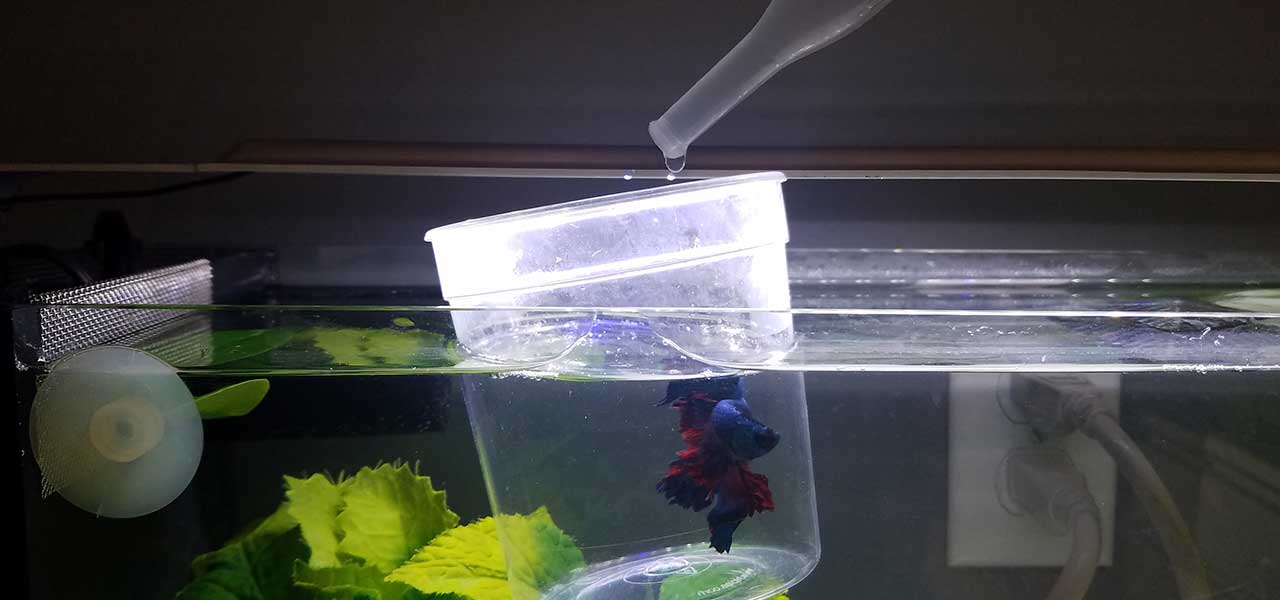
Image Source: bettafish.org
Why Acclimation is Crucial for Your Betta Fish
Betta fish, also known as Siamese fighting fish, are delicate creatures. They are accustomed to very specific water parameters in their native Southeast Asian habitats – warm, soft, and slightly acidic water. When you purchase a betta, it’s likely been housed in a small cup or a tank with different water parameters than your own. This difference can be a shock to their system.
Acclimation helps your betta adjust gradually to changes in:
- Temperature: Rapid temperature changes can stress your betta, leading to illness.
- pH levels: Betta fish thrive in a stable pH range. Sudden shifts can be harmful.
- Water hardness (GH) and alkalinity (KH): These factors influence the overall stability of your water.
- Ammonia, Nitrite, and Nitrate levels: Even if your tank is cycled, there can be slight variations.
Failing to acclimate your betta fish can lead to:
- Stress: This weakens their immune system, making them susceptible to diseases like fin rot or ich.
- Shock: Extreme changes can be fatal.
- Reduced immune response: Making them more prone to illness in the long run.
- Behavioral changes: Lethargy, loss of appetite, or unusual swimming patterns.
The Importance of a New Betta Fish Setup
Before your new betta even arrives, having a properly prepared new betta fish setup is essential. This includes a cycled aquarium, a reliable heater, a filter, and suitable decorations. A “cycled” tank means that beneficial bacteria have established themselves in the filter and substrate, converting toxic ammonia and nitrite into less harmful nitrate. This process, known as betta fish cycling, can take several weeks. Introducing a fish to an uncycled tank can be dangerous due to the presence of these toxins.
How Long to Acclimate Betta Fish: Methods Explained
The duration of acclimation can vary, but the goal is always the same: a slow, gentle introduction. Here are the most common and effective methods for acclimating your betta fish:
1. Drip Acclimation: The Gold Standard
Betta fish drip acclimation is widely considered the best method because it provides the most gradual and controlled introduction to new water parameters. This method involves slowly adding water from your established aquarium into the bag or container holding your betta.
How Long to Acclimate Betta Fish with Drip Acclimation:
- Setup Time: 5-10 minutes
- Acclimation Duration: 30 minutes to 1 hour, or even up to 2 hours for sensitive fish or significant water parameter differences.
What You’ll Need:
- Your established aquarium.
- A clean bucket or container.
- Airline tubing.
- A small clamp or knot to control flow.
- The bag your betta fish came in.
The Betta Fish Acclimation Process (Drip Method):
- Prepare the Container: Float the sealed bag containing your betta fish in your aquarium for about 15-20 minutes. This allows for betta fish temperature acclimation. Ensure the tank water is at the correct temperature before proceeding.
- Set Up the Drip System:
- Open the bag and carefully pour the betta and its original water into a clean bucket or container.
- Take a piece of airline tubing. Place one end into your aquarium and the other end into the bucket with your betta.
- Fill your mouth with water from the aquarium, pinch the tubing with your fingers, and release it into the bucket.
- To control the flow, tie a knot in the tubing or use a small aquarium airline clamp. You want the water to drip very slowly – about 2-3 drips per second.
- The Drip Begins: Allow the aquarium water to slowly drip into the container with your betta. As the water level in the container rises, you will need to remove some of the original betta water to prevent overflow. Aim to remove about half of the water from the container every 15-20 minutes during the acclimation process.
- Monitoring: Observe your betta throughout the process. If it shows signs of stress (e.g., rapid gill movement, clamping fins, darting erratically), slow down the drip rate or pause it.
- Completion: Once the water volume in the container has roughly doubled (or you’ve reached your desired acclimation time, typically 30-60 minutes), you can gently net your betta from the container and place it into its new aquarium. Do not pour the original bag water into your aquarium. It may contain medications or harmful bacteria.
2. Floating Method (Less Ideal, but Usable)
The floating method is quicker but less precise. It primarily focuses on temperature acclimation and offers minimal adjustment to water chemistry.
How Long to Acclimate Betta Fish with Floating Method:
- Setup Time: 5 minutes
- Acclimation Duration: 15-20 minutes
What You’ll Need:
- Your established aquarium.
- The bag your betta fish came in.
The Betta Fish Acclimation Process (Floating Method):
- Float the Bag: Seal the bag your betta came in and float it on the surface of your aquarium for 15-20 minutes. This allows the water temperature inside the bag to equalize with the tank temperature.
- Introduce Water Gradually (Optional but Recommended): After the initial floating period, you can open the bag and carefully pour out about a quarter of the water from the bag. Then, add an equal amount of water from your aquarium.
- Repeat: You can repeat the water exchange process once or twice more within the next 15-20 minutes.
- Transfer: Gently net your betta from the bag and release it into your aquarium. Again, discard the original bag water.
When to Use the Floating Method:
- When the water parameters between the bag and your tank are very similar (e.g., you just did a water change with fresh, conditioned water, and the betta came from a similar setup).
- In situations where you have very limited time, but it’s still not recommended for new betta fish.
3. Bag-to-Container Method (A Variation)
This is a hybrid approach that combines some benefits of both methods.
How Long to Acclimate Betta Fish with Bag-to-Container Method:
- Setup Time: 5-10 minutes
- Acclimation Duration: 20-30 minutes
What You’ll Need:
- Your established aquarium.
- A clean container or small bucket.
- The bag your betta fish came in.
The Betta Fish Acclimation Process (Bag-to-Container Method):
- Float the Bag: Float the sealed bag in your aquarium for 15-20 minutes for temperature acclimation.
- Transfer to Container: Open the bag and carefully pour the betta and its water into a clean container.
- Slowly Add Tank Water: Over the next 15-20 minutes, slowly add small amounts of your aquarium water into the container with the betta. You can do this by scooping water with a small cup or by using the drip method described earlier but with a less precise flow.
- Transfer to Tank: Gently net your betta and place it into its new home. Discard the original water.
Factors Affecting Acclimation Time
While the general guidelines above are helpful, several factors can influence how long to acclimate betta fish:
Water Parameter Differences
This is the most significant factor. The greater the difference between the water in the betta’s bag and your aquarium water, the longer the acclimation process should be.
- Temperature: Differences of more than 2-3°F (1-1.5°C) require careful temperature acclimation.
- pH: A difference of 0.2 pH units or more warrants a slower acclimation.
- Hardness (GH/KH): Significant variations here also call for extended acclimation.
Table: Guideline for Water Parameter Differences
| Parameter Difference | Recommended Acclimation Time |
|---|---|
| Temperature > 3°F | 30-45 minutes |
| pH > 0.2 units | 30-60 minutes |
| GH/KH significant | 45-90 minutes |
Betta Fish Health and Sensitivity
- Sickly or Stressed Betta: If your betta appears lethargic, has clamped fins, or is showing other signs of distress in the bag, a longer, more gentle acclimation is essential.
- Young Fry or Juveniles: Younger fish can be more sensitive to changes than adult fish.
- Species Variation: While we’re focusing on betta fish, other fish species may have different acclimation needs.
The Betta Fish Quarantine Question
Some experienced aquarists advocate for a betta fish quarantine period. This involves housing a new fish in a separate, small tank for 2-4 weeks before introducing it to the main display tank. This allows you to monitor for diseases or parasites without risking your established community. If you are quarantining your betta, you would acclimate it to the quarantine tank’s water parameters using the same methods.
Essential Considerations Before and During Acclimation
Ensuring Correct Betta Fish Water Parameters
Before you even bring your betta home, make sure your new betta fish setup has the correct water parameters.
- Temperature: Bettas need warm water, ideally between 78-80°F (25.5-26.5°C). Use a reliable aquarium heater.
- pH: A stable pH between 6.5 and 7.5 is generally recommended.
- Ammonia, Nitrite, Nitrate: Ammonia and nitrite should always be 0 ppm. Nitrates should be kept as low as possible, ideally below 20 ppm. Regular water testing is crucial.
- Water Conditioner: Always use a quality water conditioner to remove chlorine and chloramines from tap water.
Observing Your Betta Fish During Acclimation
Pay close attention to your betta’s behavior throughout the entire process.
- Signs of Distress: Rapid breathing, clamped fins, lying on the bottom, erratic swimming, loss of color. If you see these, slow down or pause the acclimation.
- Signs of Adjustment: Normal swimming, relaxed fins, exploring the container. These indicate your betta is adapting well.
What NOT To Do When Acclimating a Betta Fish
- Never pour the original bag water into your aquarium. This water can contain stress hormones, waste products, and potentially diseases or medications.
- Don’t rush the process. Patience is key. A few extra minutes can make a big difference to your betta’s health.
- Don’t add the betta directly to a cycled tank if the temperature is significantly different. Always prioritize temperature acclimation.
- Don’t use the water from the bag to top off your tank later.
Introducing the Betta to the Tank
Once acclimation is complete, gently net your betta from the acclimation container and release it into its new aquarium. Avoid pouring the acclimation water into the tank. Let your betta explore its new home at its own pace. Dim the aquarium lights for the first few hours to reduce further stress.
Post-Acclimation Care
After your betta is in its new tank, the acclimation process isn’t entirely over. Continue to monitor your fish closely for the next few days.
- Feeding: Wait at least 24 hours before offering your betta its first meal. This allows its digestive system to adjust. When you do feed, offer a small amount.
- Water Quality: Keep up with regular water changes and testing to maintain optimal betta fish water parameters.
- Behavior: Watch for any unusual behavior that might indicate stress or illness.
Frequently Asked Questions About Betta Fish Acclimation
Q1: How long should I float the bag for temperature acclimation?
A1: You should float the sealed bag for at least 15-20 minutes to allow the water temperature inside the bag to equalize with the tank water.
Q2: Can I skip acclimation if my betta came from a pet store with similar water?
A2: It is always best practice to acclimate your betta fish, even if you believe the water parameters are similar. Pet store water can be inconsistent, and subtle differences can still stress your fish.
Q3: What if my betta fish looks stressed during acclimation?
A3: If your betta shows signs of stress (clamped fins, lethargy, rapid breathing), slow down the drip rate significantly or pause the process. Give your fish more time to adjust.
Q4: How long does it take for a betta to fully adjust to a new tank?
A4: While the initial acclimation is a short process, it can take a few days to a week for your betta to fully settle in and feel comfortable in its new environment. Continue to observe its behavior and ensure stable water parameters.
Q5: Do I need to acclimate my betta to a new filter or decorations?
A5: No, acclimation is only for introducing the fish to the tank’s water conditions. New equipment or decorations are usually rinsed in old tank water or tap water (without soap) before being added to the aquarium.
Q6: Is betta fish drip acclimation always necessary?
A6: While other methods exist, drip acclimation is the most recommended method for a safe betta fish introduction due to its gradual nature, especially when significant water parameter differences are present.
Q7: How long does betta fish cycling take?
A7: Betta fish cycling typically takes anywhere from 2 to 6 weeks, depending on the method used (fishless or fish-in cycling) and the tank’s setup.
By following these guidelines and paying close attention to your new betta’s needs, you can ensure a safe and stress-free transition into its forever home. Happy fishkeeping!