
Can you fish for brook trout with a spinning rod? Yes, you can definitely fish for brook trout with a spinning rod, and it’s a very effective and enjoyable way to target these beautiful fish. What is brook trout habitat? Brook trout habitat is typically found in cold, clean, well-oxygenated freshwater streams, rivers, and lakes, often in mountainous or forested areas.
Brook trout, with their vibrant colors and feisty nature, are a prize for any angler. Learning how to fish for them can open up a world of exciting angling opportunities. This guide will walk you through everything you need to know, from finding their preferred homes to reeling them in.
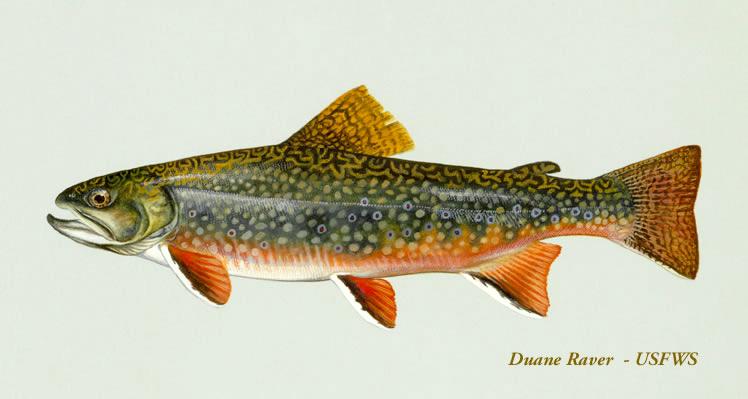
Image Source: wdfw.wa.gov
Locating Brook Trout: Deciphering Brook Trout Habitat
Brook trout are sensitive to water temperature and quality. They thrive in cool, clear water. This means you’ll often find them in headwaters, small to medium-sized streams, and pristine lakes, especially those fed by springs or snowmelt.
Key Habitat Features:
- Cold Water: Brook trout prefer water temperatures between 50-60°F (10-15°C). They will move to deeper or cooler water if the surface temperature gets too warm.
- Clean, Well-Oxygenated Water: Pollution and siltation are detrimental to brook trout. Look for water that is clear and has good flow.
- Cover: Overhanging banks, fallen trees, large rocks, and deep pools provide shade and protection from predators and strong currents.
- Food Sources: Areas with good insect hatches or baitfish populations will attract brook trout.
Common Brook Trout Locations:
- Mountain Streams: These are the classic homes for brook trout. Look for streams with plenty of riffles, pools, and pocket water.
- Spring Creeks: These creeks maintain a consistent cool temperature year-round, making them ideal brook trout sanctuaries.
- High-Altitude Lakes: Many alpine lakes are stocked with brook trout and offer spectacular fishing, often in breathtaking scenery.
When to Go: Fathoming the Brook Trout Season
The brook trout season varies significantly depending on your location and local regulations. It’s crucial to check the specific fishing regulations for the waters you plan to visit.
General Season Guidelines:
- Spring (Post-Ice Out): As the ice melts and water temperatures begin to rise, brook trout become more active. This can be a fantastic time to fish, especially in streams.
- Summer: While brook trout prefer cool water, they can still be caught in the summer, particularly in the early morning and late evening, or in deeper, cooler sections of rivers and lakes.
- Fall: This is often prime time for brook trout, especially as they prepare to spawn. The cooling water temperatures and the onset of fall insect activity can lead to excellent fishing.
Important Note: Always consult your local wildlife or fisheries agency for the most current and accurate season dates and any specific regulations for your chosen fishing spot.
Gear Up: Essential Equipment for Brook Trout
Choosing the right gear is key to a successful and enjoyable brook trout fishing trip. Whether you opt for fly fishing or using a spinning rod, having the appropriate tackle will make a big difference.
For the Fly Fisher:
- Fly Rod: A 3-5 weight, 7-8 foot fly rod is ideal for brook trout. This weight range offers enough backbone to cast effectively but is light enough to make fishing small streams enjoyable.
- Fly Reel: A reel that balances well with your rod is sufficient. You won’t need a heavy drag system for most brook trout.
- Fly Line: A weight-forward floating line in a compatible weight to your rod is standard.
- Leader and Tippet: A 7.5 to 9-foot leader tapered down to 4x, 5x, or even 6x tippet is generally appropriate for brook trout, as they can be wary.
For the Spinning Angler:
- Spinning Rod: A light to ultra-light spinning rod, typically 5.5 to 7 feet in length, is perfect. These rods offer sensitivity to detect subtle bites and are forgiving enough for small fish.
- Spinning Reel: A small spinning reel that matches your rod’s light action is best.
- Fishing Line: 2-6 pound test monofilament or fluorocarbon line is suitable. Fluorocarbon is less visible in the water, which can be an advantage.
Selecting Your Ammunition: Brook Trout Lure and Bait
The right bait or lure can make all the difference when trying to entice a brook trout. They are opportunistic feeders, and their diet consists of aquatic insects, terrestrial insects that fall into the water, small crustaceans, and minnows.
Top Brook Trout Lures:
When using a spinning rod, small, lifelike lures are highly effective.
- Spinners: Small inline spinners (like Mepps, Panther Martin, or Rooster Tail) in sizes 0-2 are classic brook trout catchers. Colors like silver, gold, black, and red are excellent.
- Small Spoons: Lightweight spoons that flutter and flash in the water can mimic injured baitfish or large insects. Gold, silver, and copper finishes are good choices.
- Jigs: Tiny marabou or hair jigs, especially in earthy tones or bright colors for stained water, can imitate various aquatic invertebrates.
- Small Grubs/Soft Plastics: Miniature soft plastic baits, such as crawfish imitations or grub tails, can be deadly when rigged with a lightweight jig head.
Effective Brook Trout Bait:
For bait fishing, natural baits are often irresistible to brook trout.
- Worms: Earthworms or red worms are perennial favorites. A small piece of worm on a hook can work wonders.
- Insect Larvae: Grubs, maggots, or hellgrammites (dobsonfly larvae) are excellent natural baits that brook trout readily consume.
- Salmon Eggs: Small clusters of salmon eggs, especially in clear water, can mimic the trout’s natural food sources.
- Corn: While not a natural food, kernels of corn can sometimes attract brook trout.
Best Flies for Fly Fishing:
For fly anglers, a diverse selection of flies is important to match the hatch.
-
Dry Flies:
- Imitations of Caddisflies: Elk Hair Caddis, X-Caddis
- Imitations of Mayflies: Adams, Parachute Adams, Blue Winged Olive (BWO)
- Imitations of Terrestrials: Ants (Black Ant, Cinnamon Ant), Beetles, Grasshoppers (especially in late summer/fall)
- Small Moths: White Wulff, Madam X
-
Nymphs:
- Stonefly Nymphs: Pheasant Tail Nymph, Prince Nymph, Pat’s Rubber Legs
- Caddisfly Nymphs: Hare’s Ear Nymph, WD-40
- Mayfly Nymphs: Pheasant Tail Nymph, Hare’s Ear Nymph, Pheasant Tail Flashback
-
Streamers:
- Woolly Buggers: Black, olive, and brown Woolly Buggers are incredibly versatile and mimic leeches, crayfish, and baitfish.
- Clouser Minnows: Small Clouser Minnows in white/chartreuse or olive/white can imitate baitfish.
- Muddler Minnows: These can imitate sculpins or other small fish.
Tip: When fishing in waters known for their brook trout, having a selection of both lures and live bait can significantly increase your chances of success.
Setting the Stage: The Brook Trout Rig
A properly set up rig is crucial for presenting your bait or lure effectively and for handling any bites you might get.
The Spinning Rod Rig:
- Tie on Your Line: Securely attach your fishing line to the reel.
- Attach a Swivel: Use a small, high-quality swivel to prevent line twist, especially when using lures like spinners.
- Add a Leader (Optional but Recommended): Tie a length of 1-2 feet of fluorocarbon or monofilament leader (matching your main line strength or slightly lighter for stealth) to the swivel.
-
Attach Your Lure or Bait:
- For Lures: Tie your lure directly to the end of the leader using a strong knot like a Palomar knot or an improved clinch knot.
- For Bait: Thread your bait onto a small, sharp hook (size 8-12 is common for brook trout). You can use a simple bait hook, a baitholder hook, or a drop-shot rig for a more natural presentation.
Brook Trout Rig Example (Bait Fishing):
Line -> Swivel -> Leader -> Hook with Worm/GrubBrook Trout Rig Example (Lure Fishing):
Line -> Swivel -> Leader -> Spinner/Spoon
The Fly Fishing Rig:
- Attach Leader to Fly Line: Use a loop-to-loop connection or a nail knot to attach your leader to the fly line.
- Attach Tippet (if needed): If your leader isn’t already tapered to the desired tippet size, tie on a section of tippet material using a blood knot or a surgeon’s knot.
-
Tie on Your Fly: Use a strong knot like a surgeon’s knot, improved clinch knot, or a loop knot (like a Lefty’s loop knot) to attach your fly to the tippet. A loop knot allows your fly to move more naturally in the water.
Brook Trout Rig Example (Dry Fly):
Fly Line -> Leader -> Tippet -> Dry FlyBrook Trout Rig Example (Nymph/Streamer):
Fly Line -> Leader -> Tippet -> Nymph/Streamer (often with an indicator for nymph fishing)
Mastering the Art: Brook Trout Techniques
How you present your bait or lure is just as important as what you’re using. Different techniques work best in different situations.
Stream Fishing Techniques:
Stream fishing for brook trout requires precision and stealth. They are often found in current breaks and under cover.
-
Reading the Water: Learn to identify likely holding spots:
- Pools: Deeper, slower sections of the stream. Look for trout near the bottom or along the edges.
- Riffles: Faster, shallower sections. Trout will often hold behind rocks or boulders in riffles to conserve energy.
- Eddies/Current Breaks: Areas where fast water meets slow water, creating a swirling back eddy. These are prime ambush spots.
- Overhanging Banks and Undercut Banks: These provide shade and protection.
-
Stealth is Key: Brook trout are easily spooked.
- Approach fishing spots from downstream whenever possible.
- Wear drab, natural-colored clothing.
- Move slowly and deliberately.
- Avoid casting shadows over your target water.
-
Casting:
- Roll Cast: Useful when there’s limited back casting room, common in tight stream banks.
- Sidearm Cast: Helps you cast under overhanging branches.
- Reach Cast: Can help lay your line out to the side to prevent drag.
-
Presentation:
- Drag-Free Drift: For dry flies and nymphs, the goal is to have your offering drift naturally with the current, without being pulled unnaturally by your line (drag). Use your rod tip to mend your line in the water, breaking up the surface tension.
- Bouncing Baits: For bait fishing, let your bait drift naturally with the current. You can also try gently bouncing a worm or grub along the bottom in pools.
- Retrieving Lures: Vary your retrieve speed. For spinners, a steady retrieve is good. For spoons, a jigging or twitching motion can be effective. For small soft plastics, a slow, steady retrieve with occasional pauses is often best.
Lake Fishing Techniques:
Fishing for brook trout in lakes requires different approaches, focusing on depth and finding where they are holding.
-
Casting and Retrieving:
- Spinners and Spoons: Cast towards the shore or weed beds and retrieve steadily, varying the speed to find what the fish are responding to.
- Streamers (Fly Fishing): Cast streamers towards the shore and retrieve with a variety of strips and pauses to mimic baitfish.
-
Trolling (in larger lakes): For larger lakes, a slow troll with a spoon or a streamer can be effective. Use a downrigger or a weight to get your lure to the desired depth.
-
Drifting:
- Bait Fishing: Anchor or drift with a boat and use bait rigs. Letting bait drift naturally near drop-offs or submerged structure can be very productive.
- Fly Fishing: Cast nymphs or streamers and allow them to drift naturally with any subtle breeze or current in the lake. Using an indicator for nymphs can help detect bites.
Ice Fishing for Brook Trout:
During the winter months, ice fishing can provide access to brook trout that may be in deeper water.
- Jigging: Small jigs, often tipped with a wax worm or a small minnow, are very effective. Jigging motions can imitate injured prey.
- Dead Drifting: Presenting bait (like wax worms or minnows) naturally in the water column.
- Hole Placement: Look for areas with structure, drop-offs, or near inlets/outlets.
Frequently Asked Questions (FAQ)
Q1: What is the best time of day to fish for brook trout?
A1: Early morning and late evening are generally the best times of day, especially during warmer months, as brook trout are more active then. However, on cooler overcast days, they might feed throughout the day.
Q2: Can I catch brook trout on artificial lures with a spinning rod?
A2: Absolutely! Small spinners, spoons, and jigs are highly effective brook trout lures when using a spinning rod.
Q3: Are brook trout hard to catch?
A3: Brook trout can be wary, especially in clear, shallow water. Stealth, proper presentation, and using appropriate gear (like lighter line and natural-looking lures or flies) are important for success.
Q4: What are the best brook trout techniques for small streams?
A4: For small streams, stealthy approaches, casting upstream or across current, and presenting offerings in current breaks and behind structure are key brook trout techniques.
Q5: What is a good brook trout rig for beginners?
A5: For beginners with a spinning rod, a simple rig involves tying a swivel to your line, attaching a 1-2 foot leader, and then tying on a small spinner or a hook with a worm.
Q6: Do brook trout bite at night?
A6: While they can be caught at night, brook trout are primarily diurnal feeders. However, in some lakes, night fishing can be productive if you’re targeting them with specific lures or bait.
Q7: What is the legal size limit for brook trout?
A7: Size limits vary greatly by location and specific water body. Always check the local fishing regulations for the most accurate information.
Q8: When is the brook trout season?
A8: The brook trout season typically runs from spring through fall, but exact dates depend on regional regulations. It’s essential to consult your local fisheries department for specific season openers and closers.
Q9: What are some of the best flies for brook trout?
A9: Some of the best flies for brook trout include Elk Hair Caddis, Adams, Pheasant Tail Nymphs, Woolly Buggers, and various terrestrial patterns like ants and beetles.
Q10: Where can I find brook trout habitat?
A10: Brook trout habitat is found in cold, clean, well-oxygenated streams, rivers, and lakes, often in mountainous or forested areas with plenty of cover like overhanging banks and submerged rocks.
Conclusion
Fishing for brook trout is a rewarding experience that connects you with some of the most beautiful and wild freshwater environments. By understanding their habitat, choosing the right gear, mastering effective techniques, and respecting local regulations, you’ll be well on your way to enjoying many successful and memorable days on the water. Tight lines!