
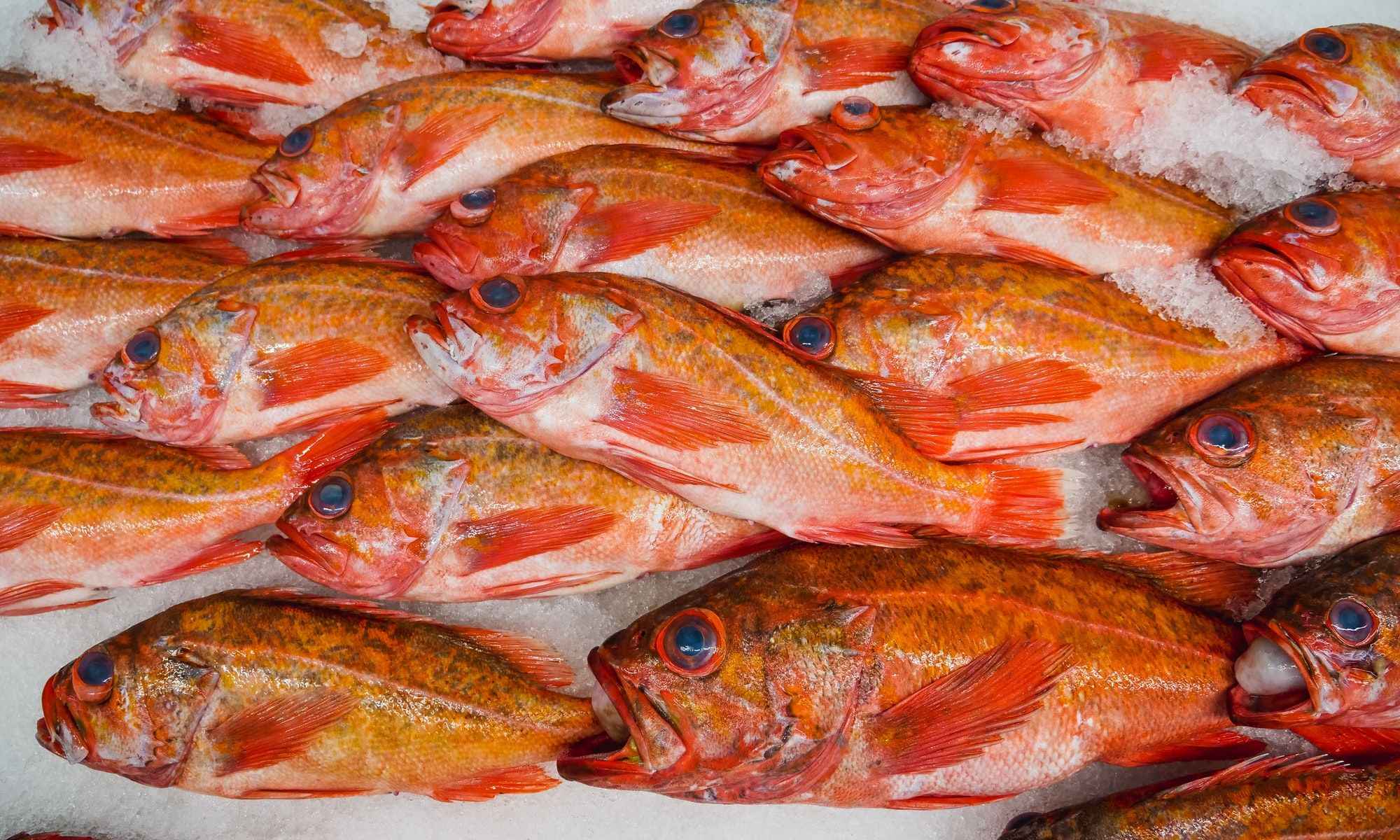
Image Source: guidesly.com
How Long Can You Freeze Ungutted Fish? Best Practices & Quality Guide
Can you freeze ungutted fish? Yes, you can freeze ungutted fish. However, the quality and taste will be best if you freeze them shortly after catching or purchasing them, and they are properly prepared for freezing.
Freezing is a fantastic method for long-term fish preservation, allowing you to enjoy your catch or a good deal at the market long after its initial freshness. But when it comes to freezing fish whole, without gutting, there are specific considerations to keep in mind for both safety and quality. This guide will delve into how long you can freeze ungutted fish, the best practices for achieving safe fish freezing, and how to maintain excellent frozen fish quality. We’ll also explore factors affecting frozen fish longevity and offer tips on thawing ungutted frozen fish.
The Lifespan of Frozen Ungutted Fish
The primary question is: How long can you freeze ungutted fish? While there’s no single definitive answer that applies to every situation, a general guideline for optimal quality is 2 to 3 months for ungutted whole fish. After this period, while the fish will likely still be safe to eat if frozen continuously at 0°F (-18°C) or below, its quality—texture, flavor, and moisture content—will begin to decline.
Several factors affecting frozen fish longevity play a crucial role:
- Initial Freshness: The fresher the fish is when you freeze it, the longer it will retain good quality in the freezer. Fish that has already started to degrade before freezing will not improve in storage.
- Freezing Method: Rapid freezing is key. The faster the fish freezes, the smaller the ice crystals formed, which leads to less damage to the cell structure and better texture upon thawing.
- Packaging: Proper packaging is paramount to prevent freezer burn and oxidation, which degrade quality.
- Freezer Temperature: Maintaining a consistent temperature of 0°F (-18°C) or lower is essential for slowing down chemical and enzymatic processes that lead to spoilage. Fluctuations in temperature can significantly reduce the fish freezing duration for optimal quality.
- Type of Fish: Fattier fish, like salmon or mackerel, tend to have a shorter freezer life than leaner fish, like cod or haddock, due to the fat’s susceptibility to oxidation.
Why Gutting Matters for Freezing
Before diving into freezing ungutted fish, it’s important to understand why gutting is usually recommended. The digestive tract contains enzymes and bacteria that can continue to break down the fish’s flesh even at freezing temperatures, albeit at a much slower rate. This breakdown can lead to off-flavors and a softer texture over time. Additionally, the gut cavity can harbor moisture, which, upon freezing and thawing, can lead to ice crystal formation that damages the surrounding flesh.
Therefore, while you can freeze ungutted fish, the ungutted fish storage time for peak quality is shorter compared to gutted fish. If you plan on storing fish for longer periods, gutting, rinsing, and drying the fish before freezing is the superior method.
Best Practices for Freezing Whole Fish
To maximize the quality and safety of your frozen ungutted fish, follow these best practices for freezing whole fish:
1. Source the Freshest Fish Possible
- From the Water: If you’re fishing, freeze your catch as soon as possible after landing it. Keep it on ice in a cooler until you are ready to pack it for freezing.
- From the Market: Choose fish with clear, bright eyes, firm flesh, and a clean, sea-like smell. Avoid fish with cloudy eyes, dull skin, or a strong “fishy” odor. The shelf life of unfrozen fish is short, so this initial freshness is critical.
2. Prepare the Fish for Freezing
- Rinse: Gently rinse the whole fish under cold running water to remove any surface slime, blood, or debris.
- Dry Thoroughly: Pat the fish completely dry with paper towels. Excess moisture can lead to ice crystals and freezer burn.
- Chill: Ensure the fish is thoroughly chilled before packaging. If freezing immediately after catching, the fish should be kept on ice until it’s very cold to the touch.
3. Choose the Right Packaging
Proper packaging is crucial for long-term fish preservation and preventing quality degradation. The goal is to create an airtight barrier to keep air out.
- Freezer Paper: Heavy-duty freezer paper with a plastic coating on one side is a good option.
- Place the dried fish on the plastic-coated side.
- Wrap the fish tightly, folding the paper to eliminate air pockets.
- Secure the package with freezer tape.
- For extra protection, place the freezer-paper-wrapped fish into a heavy-duty freezer bag.
- Vacuum Sealing: This is the gold standard for freezing fish. A vacuum sealer removes virtually all air, significantly extending the fish freezing duration for good quality and preventing freezer burn.
- Ensure the fish is completely dry.
- Place the fish in a vacuum seal bag.
- Seal the bag using your vacuum sealer.
- Plastic Wrap and Freezer Bags: If you don’t have freezer paper or a vacuum sealer, you can use plastic wrap followed by a freezer bag.
- Wrap the fish tightly in plastic wrap, ensuring no air is trapped.
- Place the wrapped fish into a heavy-duty freezer bag, squeezing out as much air as possible before sealing.
4. Quick Freezing
- Flash Freezing (Optional but Recommended): If you have the space, place the individually wrapped fish on a baking sheet or tray in the freezer until solid. This “flash freezing” helps the fish freeze faster and prevents it from clumping together.
- Direct Freezing: Once packaged, place the fish directly into the coldest part of your freezer.
5. Labeling and Storage
- Label Everything: Clearly label each package with the type of fish, the date it was frozen, and the number of fish. This helps you track fish freezing duration and use the oldest fish first.
- Store Properly: Place packages flat in the freezer if possible, especially during the initial freezing process, to ensure they freeze quickly and evenly. Avoid overpacking the freezer, as this can hinder air circulation and slow down the freezing process.
How Long Can You Freeze Ungutted Fish? A Quality Breakdown
Let’s break down the ungutted fish storage time based on desired quality:
| Fish Type | Optimal Quality (Months) | Still Good Quality (Months) | Acceptable, but Quality Declines (Months) |
|---|---|---|---|
| Lean Fish | 4-6 | 6-9 | 9-12+ |
| Fatty Fish | 2-3 | 3-4 | 4-6+ |
| Shellfish | 3-4 | 4-6 | 6-9+ |
Important Note: These are general guidelines. The actual fish freezing duration will depend heavily on the factors mentioned earlier, especially packaging and initial freshness. Safe fish freezing at 0°F (-18°C) ensures the fish remains safe indefinitely, but quality diminishes.
Frozen Fish Quality: What to Expect
When you freeze fish properly, even ungutted, you can expect good results. However, it’s helpful to know what contributes to good frozen fish quality:
- Texture: Properly frozen fish should have a firm, moist texture when thawed and cooked. Over-freezing or poor packaging can lead to a mushy or dry texture.
- Flavor: The taste should be clean and fresh, characteristic of the fish species. Off-flavors or a “fishy” taste are indicators of oxidation or degradation.
- Appearance: The fish should retain its natural color. Significant browning or graying can suggest freezer burn.
Thawing Ungutted Frozen Fish
The way you thaw your frozen fish is just as important as how you freeze it. Improper thawing can compromise texture and safety. Here’s how to safely thaw ungutted frozen fish:
- Refrigerator Thawing (Best Method): This is the safest and most recommended method.
- Remove the fish from its freezer packaging.
- Place the fish on a plate or in a container to catch any drips.
- Thaw it in the refrigerator overnight. This allows for slow, even thawing, preserving texture and minimizing bacterial growth.
- Cold Water Thawing: This is a faster method but requires more attention.
- Keep the fish in its airtight packaging (vacuum-sealed bag or a sealed freezer bag).
- Submerge the package in a bowl or sink filled with cold tap water.
- Change the water every 30 minutes to ensure it remains cold and continues to thaw the fish efficiently.
- Cook the fish immediately after thawing.
- Microwave Thawing (Not Recommended for Quality): While possible, microwaving can partially cook the fish, leading to uneven thawing and a less desirable texture. If you must use this method, cook the fish immediately afterward.
Never thaw fish at room temperature. This allows bacteria to multiply rapidly, posing a food safety risk.
What to Do After Thawing Ungutted Fish
Once your ungutted fish has been thawed, it’s time to prepare it for cooking.
- Gutting: This is the ideal time to gut the fish if you haven’t already. The internal organs will be softer after thawing, often making the gutting process easier.
- Rinse and Dry: Rinse the fish under cold water, paying attention to the cavity, and pat it thoroughly dry.
- Cook Promptly: Cook thawed fish as soon as possible. It will not retain its quality for long once thawed.
Common Questions About Freezing Ungutted Fish
Here are answers to some frequently asked questions about freezing whole fish:
- Q: Will freezing ungutted fish make it spoil faster?
- A: Yes, the presence of the digestive tract can lead to slightly faster quality degradation compared to gutted fish, but it will still remain safe to eat for an extended period if frozen correctly.
- Q: Can I freeze fish that I didn’t catch myself?
- A: Absolutely! As long as the fish is fresh and you follow proper freezing techniques, you can freeze fish purchased from a reputable fishmonger.
- Q: How do I know if my frozen fish has gone bad?
- A: Signs of spoilage in frozen fish include a strong, unpleasant odor, a slimy texture, dull or discolored flesh, and signs of freezer burn (dry, white patches). If in doubt, it’s best to discard it.
- Q: What is freezer burn?
- A: Freezer burn occurs when food is exposed to air in the freezer. It causes dehydration and oxidation, resulting in dry, leathery spots and a loss of flavor. Proper packaging prevents freezer burn.
- Q: Is it safe to eat fish that has been in the freezer for over a year?
- A: While it is likely still safe to eat if continuously frozen at 0°F (-18°C), the quality will have significantly deteriorated. Textures may be mushy, and flavors may be off.
Conclusion: Balancing Convenience and Quality
Freezing ungutted fish is a practical approach for preserving your catch or market finds. While it offers convenience, it’s crucial to remember that the optimal quality period is shorter than for gutted fish. By adhering to best practices for freezing whole fish, focusing on initial freshness, superior packaging, and consistent cold temperatures, you can extend the enjoyable fish freezing duration. Always prioritize proper thawing techniques to ensure both safety and the best possible frozen fish quality when you’re ready to enjoy the fruits of your labor. This meticulous approach to long-term fish preservation ensures you get the most out of your frozen seafood.