
Can you catch black sea bass from shore? Yes, you can catch black sea bass from shore, especially in areas with rocky structures, jetties, or piers that extend into deeper water. Many anglers also find success fishing for black sea bass from boats, which offers greater access to prime fishing grounds. This comprehensive guide will equip you with the knowledge to target these prized game fish and significantly boost your success on the water.
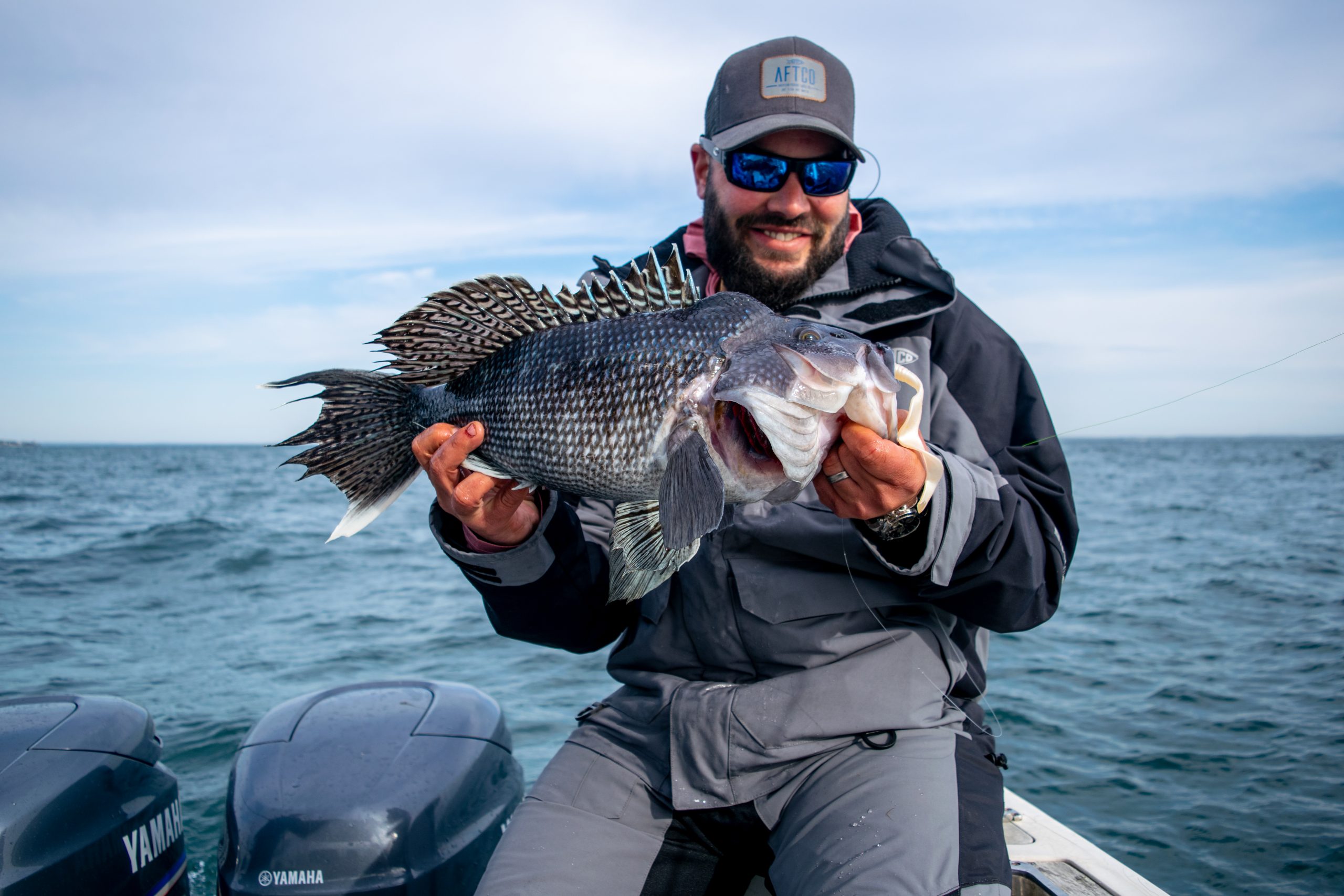
Image Source: onthewater.com
Discovering Black Sea Bass Hotspots
Locating black sea bass is key to a successful fishing trip. These fish love structure. They hang out near rocks, wrecks, pilings, and any other underwater formations that provide shelter and attract baitfish. Understanding where these habitats are is the first step in catching more black sea bass.
Prime Fishing Spots for Black Sea Bass
When thinking about black sea bass locations, focus on areas that offer a good mix of structure and current.
- Wrecks and Artificial Reefs: These man-made structures are magnets for black sea bass. Ships, barges, and even old cars or concrete blocks create complex habitats.
- Rocky Outcroppings and Reefs: Natural rock formations provide the same benefits as wrecks. Look for areas where the seafloor transitions from sand to rock.
- Jetties and Piers: These man-made structures extend into the water, creating edges where currents converge and baitfish gather. Black sea bass often patrol these areas.
- Channel Edges: The drop-offs into deeper channels can hold sea bass, especially when baitfish are migrating or schooling along these features.
- Bridges and Pilings: Similar to jetties, the pilings of bridges create vertical structure and current breaks that attract sea bass.
Identifying Structure Underwater
To find good fishing spots for black sea bass, you need to know how to identify structure.
- Onshore: Look for rocky shorelines, jetties, or piers that extend into deeper water. Tides can play a big role, exposing or covering structure.
- Offshore: This is where the real action often happens. Using a good fishfinder or GPS with detailed bathymetric charts is invaluable. These tools show you the underwater terrain, highlighting humps, drop-offs, and the distinct signatures of wrecks.
The Right Gear: Black Seabass Tackle Essentials
Having the right black seabass tackle makes all the difference. You need gear that can handle the fight these fish put up and the environments they inhabit.
Rods and Reels for Black Sea Bass
- Rods: A medium-heavy to heavy-action rod is generally recommended. This provides enough backbone to set the hook and control a strong fish, while also allowing you to feel bites and work your bait or lure effectively. A length of 6 to 7 feet is a good starting point.
- Reels: A sturdy spinning reel or a conventional reel with a good drag system is essential. You want a reel that can hold plenty of line and has a smooth, reliable drag to tire out the fish. Capacity for 150-200 yards of 20-30 pound test monofilament or braided line is ideal.
Line and Leader Materials
- Main Line:
- Monofilament: A good option for its abrasion resistance and stretch, which can help absorb shock. 20-30 lb test is common.
- Braided Line: Offers superior sensitivity and strength for its diameter, allowing you to feel subtle bites and pull fish away from structure. 20-30 lb test is also suitable, but consider using a fluorocarbon leader.
- Leader: A fluorocarbon leader is highly recommended. It’s virtually invisible in the water, which can be crucial for enticing wary black sea bass. A 2-3 foot leader of 20-40 lb test fluorocarbon tied to your main line (using a strong knot like a blood knot or Albright knot) will greatly improve your chances.
Hooks and Terminal Tackle
- Hooks: Circle hooks are excellent for catching black sea bass, especially when using bait. They are designed to hook the fish in the corner of its mouth, reducing gut hooking and increasing survival rates for released fish. Sizes 2/0 to 6/0 are commonly used, depending on the bait size.
- Weights (Sinkers): The amount of weight needed depends heavily on the current. In moderate current, 2 to 8 ounces might be sufficient. In stronger currents or deeper water, you may need 12 ounces or more to get your bait to the bottom. Pyramid or cannonball sinkers are popular choices.
- Swivels: Use high-quality ball-bearing swivels to connect your leader to your main line and to your sinker. This prevents line twist, which can be a major frustration.
Baiting Up: Best Black Seabass Bait Choices
The right black seabass bait can be the difference between a slow day and a banner one. Black sea bass are opportunistic feeders, and they have a varied diet.
Live Bait
Live bait is often the most effective.
- Live Minnows: Small baitfish like silversides, menhaden (peanut bunker), or small mullets are irresistible to black sea bass.
- Live Shrimp: A classic for a reason, live shrimp are a top attractant for many species, including black sea bass. They provide scent and a natural, erratic action.
- Crabs: Small live crabs, especially fiddler crabs, are a favorite food source for black sea bass, particularly in rocky environments.
Cut Bait
When live bait isn’t available or practical, cut bait can still be very productive.
- Squid: Strips of fresh squid are a staple for many sea bass anglers. They are durable, release a good scent trail, and are readily available.
- Menhaden (Bunker): Chunks of fresh menhaden, also known as bunker, are a powerhouse bait, especially when targeting larger sea bass.
- Mackerel: Similar to menhaden, mackerel chunks are oily and aromatic, making them excellent attractants.
- Sea Clams: The chewy texture and strong scent of sea clam strips can also entice black sea bass.
Artificial Lures for Black Sea Bass
While bait often reigns supreme, artificial lures can also be very effective, especially for covering water and locating active fish.
- Soft Plastics:
- Gulp! Baits: These scented and flavored artificial baits are incredibly popular. Shrimp, minnow, and grub profiles in natural colors like white, chartreuse, and pink work well.
- Jigs with Soft Plastic Tails: Pairing a bucktail jig or a leadhead jig with a curly tail grub, paddle tail, or a plastic shrimp can mimic natural prey.
- Jigs:
- Bucktail Jigs: These are a classic. They can be fished alone or tipped with bait (like squid or baitfish strips) for added attraction.
- Metal Jigs: Slow-pitch or flutter jigs can be effective when a more aggressive presentation is needed or when targeting fish in deeper water.
- Hard Baits: While less common for bottom-dwelling sea bass, some anglers have success with small, suspending jerkbaits fished erratically near structure.
Rigging Up: Effective Black Seabass Rig Techniques
How you present your bait or lure is crucial. The right black seabass rig will help you get your offering to the bottom and keep it in the strike zone.
The High-Low Rig
This is a very popular and effective rig for catching black sea bass, especially with bait.
- How it’s Made: You tie a dropper loop about 12-18 inches above your sinker. Another dropper loop is then tied another 12-18 inches above the first. Your sinker is tied to the very bottom of the line.
- Why it Works: This rig allows you to present two baits at different depths, increasing your chances of intercepting fish. The dropper loops keep your baits separated from your sinker and from each other, allowing them to move more naturally in the current.
Carolina Rig
A simple yet effective rig for bait fishing.
- How it’s Made: Start with your main line, thread on a bullet or egg sinker, followed by a bead, then a barrel swivel. Tie your leader to the other end of the swivel. Tie your hook to the end of the leader.
- Why it Works: The sinker slides freely on the main line, allowing the fish to take the bait without feeling immediate resistance. The bead protects the knot from the sinker.
Jigging Rigs
When using jigs, simplicity is key.
- Single Jig: A leadhead jig with a soft plastic tail or a bucktail jig is often all you need. You tie this directly to your leader.
- Two-Hook Rig (for bait): Similar to the high-low rig, but using snelled hooks or dropper loops above a sinker. This allows for two bait presentations.
Mastering the Techniques for Black Sea Bass
Knowing where and with what is only half the battle. Effective techniques for black sea bass will put more fish in your boat.
How to Jig for Black Sea Bass
Jigging is a dynamic and interactive way to catch sea bass.
- Vertical Jigging: Lower your jig to the bottom. Lift the jig a few feet off the bottom, then let it flutter back down. Vary your retrieve by snapping the rod tip up and down, or by using a slow, steady retrieve with pauses.
- Bounce the Bottom: Keep your jig in contact with the bottom. Jig it up a few inches, let it settle back down. This often triggers strikes from fish holding close to the structure.
- Tip Your Jigs: Adding a piece of squid, a live shrimp, or a baitfish strip to your jig can significantly increase its effectiveness.
Bait Fishing Strategies
Presenting bait naturally is crucial for drawing strikes.
- Softer Presentation: Cast your bait to the desired spot and let the current do the work. Keep slack out of your line so you can feel bites.
- Drifting: If fishing from a boat, drifting over structure with a bait rig is highly effective. You can drift with the current or use your trolling motor to control your speed and position.
- Bottom Bouncing: For rigs like the high-low, the goal is to keep your baits just off the bottom. Let the current move your baits naturally.
Reading the Water and Structure
- Current: Understand how the current flows around structure. Sea bass will often position themselves out of the main current, waiting for bait to come to them. Look for eddies or slower water adjacent to faster-moving channels.
- Depth: Black sea bass can be found at various depths, from shallow inshore waters to hundreds of feet offshore. Adjust your bait and tackle accordingly.
- Baitfish: Where there are baitfish, there are usually predators. If you can find bait on your fishfinder, you’re likely in a good spot.
When to Cast: Best Time to Fish for Black Sea Bass
The best time to fish for black sea bass often depends on several factors, including location, season, and even the time of day.
Seasonal Patterns
- Spring: As the water warms, black sea bass begin to move into shallower waters and inshore areas to feed and spawn. This can be a prime time for shore-based anglers.
- Summer: Black sea bass are active throughout the summer. They can be found in a wide range of depths, from nearshore reefs to offshore wrecks. Evening and early morning can be particularly good, but they bite throughout the day.
- Fall: This is often considered the peak season for black sea bass fishing. Migratory fish move into feeding grounds, and the larger individuals become more aggressive. Water temperatures cooling can trigger feeding frenzies.
- Winter: In warmer climates, black sea bass remain active throughout the winter, often congregating in deeper structures. In colder regions, they may move to deeper offshore waters or become less active.
Daily Timing
- Tidal Changes: The moving water associated with tidal shifts is critical.
- Outgoing Tide: As the tide goes out, it pulls baitfish and food from shallower areas into deeper water, often concentrating sea bass.
- Incoming Tide: As the tide comes in, it pushes baitfish towards shore and into shallower feeding grounds.
- Time of Day:
- Early Morning & Late Evening: These are often considered “golden hours” for fishing. Lower light conditions can make sea bass more comfortable moving and feeding.
- Midday: While still productive, midday can be tougher, especially on bright, sunny days when fish may retreat to deeper or more shaded areas.
Frequently Asked Questions (FAQ)
Q1: What kind of knots should I use for black sea bass fishing?
You should use strong, reliable knots. For tying hooks to leaders, the Improved Clinch Knot or Palomar Knot are excellent choices. For connecting your leader to your main line, the Albright Knot or Blood Knot are recommended. If using braided line, consider a uni-to-uni knot or a spider hitch for securing your fluorocarbon leader.
Q2: How deep do black sea bass live?
Black sea bass can inhabit a wide range of depths, from as shallow as 10 feet inshore to over 300 feet offshore. Their preferred depth often depends on water temperature, season, and the availability of food and structure.
Q3: Are black sea bass aggressive biters?
Yes, black sea bass can be quite aggressive biters, especially when they are actively feeding. They are known for their strong strikes and determined fight.
Q4: Can I use a casting reel for black sea bass?
Yes, a casting reel (also known as a conventional reel) can be very effective for black sea bass, particularly when targeting larger fish or fishing in deeper water where you need more cranking power and line capacity. Ensure it has a good drag system.
Q5: How do I handle a black sea bass once I catch one?
When handling a black sea bass, be cautious of their spiny fins, especially the dorsal fin. If you plan to release the fish, wet your hands before touching it to protect its slime coat. Use pliers to remove hooks carefully. For keeping fish, dispatch them quickly and humanely, and keep them on ice to maintain freshness.
By implementing these strategies, selecting the appropriate black seabass bait and black seabass lures, mastering different black seabass rig configurations, and timing your outings for the best time to fish for black sea bass, you’ll be well on your way to catching more of these fantastic fish. Remember to explore different fishing spots for black sea bass and adapt your black seabass tackle and techniques to the specific conditions you encounter. Happy fishing!